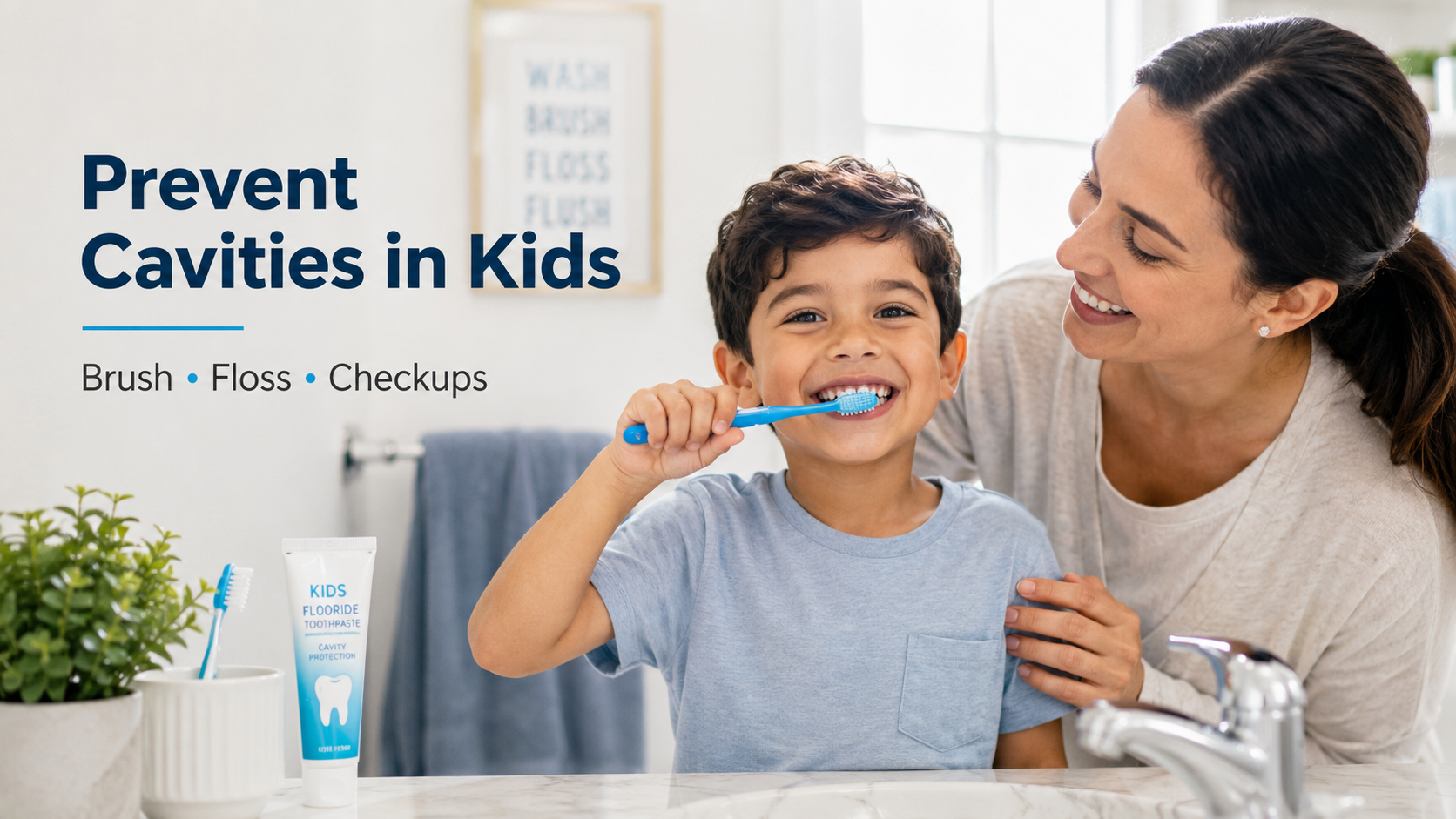
What Is the Best Way to Prevent Cavities in Kids?
Preventing tooth decay in children requires a systematic approach combining proper oral hygiene, dietary management, and professional dental care. According to the American Dental Association (2024), implementing these evidence-based strategies reduces cavity risk by 60-80% in children aged 6 months to 18 years. This comprehensive guide provides actionable steps for parents and caregivers to maintain optimal children’s oral health.
Outcome: Establish a complete cavity prevention routine that protects baby teeth and permanent teeth from dental caries within 30 days.
Difficulty Level: Beginner | Time Investment: 15 minutes daily | Age Range: Infants through teenagers
Before You Begin: Prerequisites

Essential Supplies:
- Age-appropriate toothbrush (soft bristles)
- Fluoride toothpaste (concentration based on age)
- Dental floss or floss picks
- Timer or toothbrushing app
- Cavity-free smile reward chart (optional)
Required Knowledge:
- Understand tooth decay causes and cavity formation
- Know your child’s cavity risk factors
- Identify location of pediatric dentist accepting dental insurance
- Recognize signs of cavities in kids (white spots, sensitivity)
Baseline Assessment: Evaluate current oral hygiene habits and schedule dental screening if your child has never visited a dentist.
Step 1: Establish Proper Brushing Habits for Tooth Decay Prevention

Proper brushing removes plaque containing Streptococcus mutans bacteria that produce acids attacking tooth enamel. The American Academy of Pediatric Dentistry (2024) recommends specific brushing protocols based on developmental stage.
For Infants (6-12 Months)
- Begin when first tooth erupts using soft infant toothbrush
- Apply rice-grain-sized amount of fluoride toothpaste
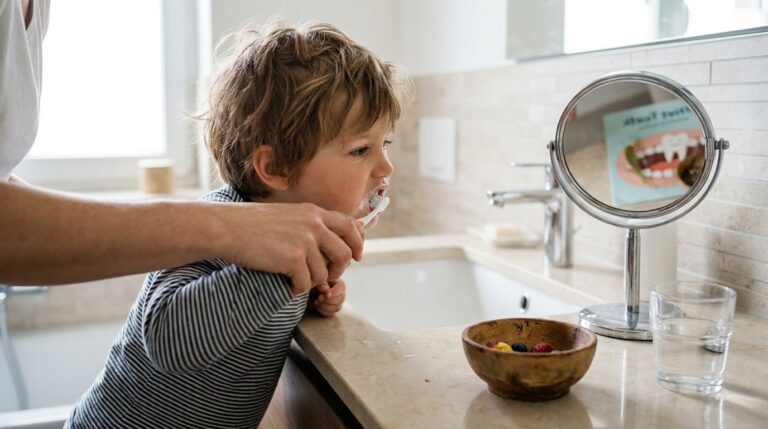
- Gently brush all tooth surfaces twice daily
- Wipe gums with clean, damp cloth after feeding
- Prevent baby bottle tooth decay by avoiding nighttime bottle feeding with milk or juice
For Toddlers and Preschoolers (1-5 Years)
- Increase toothpaste amount to pea-sized portion
- Brush for 2 minutes using circular motions on all surfaces
- Supervise brushing to ensure proper technique
- Make brushing fun prevent cavities using songs or apps
- Address how to prevent cavities in kids who hate brushing through positive reinforcement
For School-Age Children and Teenagers (6-18 Years)
- Teach independent brushing with periodic supervision until age 8
- Focus on molars where cavity formation occurs most frequently
- Use best electric toothbrush for kids cavity prevention if manual brushing proves difficult
- Brush after breakfast and before bedtime without exception
- Ensure how long should kids brush teeth prevent cavities: minimum 2 minutes per session
Key Metric: Studies show children who brush twice daily with fluoride toothpaste reduce cavity risk by 24% compared to once-daily brushing (Cochrane Review, 2023).
Step 2: Implement Effective Flossing Daily for Cavity Prevention Between Teeth
Flossing kids teeth removes plaque and food particles from interdental spaces where toothbrush bristles cannot reach. The best way to floss kids teeth prevent cavities involves age-appropriate techniques.
When to Start Flossing
Begin flossing when two teeth touch, typically around age 2-3 years. Use floss picks for easier manipulation in small mouths.
Flossing Technique
- Use 18 inches of dental floss wrapped around middle fingers
- Gently guide floss between teeth using back-and-forth motion
- Curve floss around each tooth in C-shape
- Move floss up and down against tooth surface
- Repeat for all teeth, including back molars
- Floss once daily, preferably before bedtime brushing
Alternative Tools: For preschooler dental care, consider water flossers or pre-threaded floss picks to simplify the process and encourage compliance.
Step 3: Optimize Diet with Tooth-Friendly Foods and Sugar Intake Reduction
Dietary choices significantly impact oral bacteria control and enamel protection. According to research, children consuming high-sugar diets experience 2.5 times more cavities than those eating balanced, tooth-friendly diet options (Journal of Pediatric Dentistry, 2024).
Cavity-Preventing Foods
| Food Category | Best Choices | Cavity Prevention Benefit |
|---|---|---|
| Calcium-Rich Foods | Milk, cheese, yogurt, leafy greens | Strengthens enamel through tooth mineralization |
| Crunchy Vegetables | Carrots, celery, broccoli | Stimulates saliva production for plaque removal |
| Protein Sources | Eggs, chicken, fish, beans | Provides phosphate for tooth structure support |
| Sugar-Free Alternatives | Xylitol gum, water, unsweetened snacks | Inhibits bacterial growth prevention |
Dietary Guidelines
- Limit sugar consumption to mealtimes only (reduces acid exposure)
- Avoid cavity-causing foods: sticky candies, dried fruits, sugary cereals
- Practice acidic beverage avoidance: limit soda, sports drinks, fruit juice
- Address what juice is safe for kids teeth cavity prevention: dilute 100% juice with water
- Prevent sippy cup cavities by transitioning to regular cups by age 18 months
- Offer what snacks are good for kids teeth cavity prevention: cheese, nuts, vegetables
Evidence-Based Tip: Cheese consumption after meals raises oral pH and reduces cavity risk by neutralizing acids (British Dental Journal, 2023).
Step 4: Use Fluoride Protection for Enamel Strengthening
Fluoride prevents cavities by promoting tooth enamel strength through remineralization and inhibiting bacterial acid production. Multiple delivery methods ensure optimal fluoride protection.
Fluoride Sources and Recommendations
Fluoride Toothpaste:
- Under 3 years: rice-grain-sized smear (0.1 mg fluoride)
- 3-6 years: pea-sized amount (0.25 mg fluoride)
- Over 6 years: standard amount (0.3 mg fluoride)
- Answer how much fluoride do kids need to prevent cavities: 0.05 mg/kg body weight daily
Professional Fluoride Varnish:
Pediatric dentist applies concentrated fluoride varnish during dental checkups. When to apply fluoride varnish prevent cavities kids: every 3-6 months starting at age 1 year. This topical fluoride treatment reduces cavity incidence by 43% (American Dental Association, 2024).
Water Fluoridation:
Community water fluoridation provides 0.7-1.0 ppm fluoride, reducing childhood tooth decay by 25%. Verify fluoridated water availability through local water utility.
When to Start Fluoride to Prevent Cavities: Begin fluoride toothpaste when first tooth erupts, around 6 months of age.
For families seeking how to prevent cavities in kids without fluoride, focus intensively on diet modification, xylitol supplementation, and increased professional cleaning frequency.
Step 5: Schedule Regular Dental Checkups and Professional Treatments
Preventive dentistry through professional care enables early intervention before cavities develop. The cavity prevention protocol for children includes systematic monitoring and protective treatments.
Recommended Visit Schedule
- First dental visit: by age 1 year or within 6 months of first tooth eruption
- Follow-up frequency: every 6 months for routine dental screening
- High-risk children: quarterly visits as recommended by dental hygienist
- How often should kids see dentist prevent cavities: minimum twice yearly
What Happens During Children’s Dental Visits
- Comprehensive oral examination of teeth, gums, and oral tissues
- Professional teeth cleaning kids: removal of plaque and tartar
- Fluoride treatments children: topical application for enamel protection
- Cavity risk assessment and personalized prevention recommendations
- Oral health education for kids and parents
- X-rays as needed to detect cavities between teeth
Insurance Coverage: Most dental insurance plans cover preventive dentistry services at 100%, including examinations, cleanings, and fluoride applications for children.
Step 6: Apply Dental Sealants for Long-Term Protection
Dental sealants provide physical barrier preventing bacteria and food from accumulating in tooth grooves. How do dental sealants prevent cavities in children: thin plastic coating seals deep pits and fissures on chewing surfaces of molars where 80% of childhood cavities occur.
Sealant Application Process
- Dental hygienist cleans tooth surface thoroughly
- Tooth is dried and etching solution applied briefly
- Surface rinsed and dried again
- Liquid sealant material painted onto tooth grooves
- Special curing light hardens sealant in 30 seconds
- Bite checked and adjusted if necessary
Optimal Timing for Sealants
- First permanent molars: age 6-7 years
- Second permanent molars: age 11-13 years
- Premolars: as needed based on cavity risk
- Best dental sealants for kids cavity prevention last 5-10 years
Effectiveness Data: Children with dental sealants experience 80% fewer cavities in sealed teeth compared to unsealed teeth (CDC, 2024). This represents the most effective single preventive measure for protecting permanent teeth.
Troubleshooting Common Cavity Prevention Challenges
Problem: Child resists brushing and creates battles at bedtime
Solution: Implement how to prevent cavities in kids who hate brushing: use reward charts, two-minute videos, flavored toothpaste, and let child choose toothbrush design. Maintain consistency without negotiating.
Problem: White spots appearing on teeth indicating early tooth decay
Solution: How to reverse early tooth decay in children: increase fluoride exposure, eliminate sweet consumption between meals, apply prescription-strength fluoride toothpaste, and schedule immediate dental visit for professional assessment.
Problem: Preventing nursing cavities in babies during breastfeeding
Solution: Wipe gums after nighttime nursing, begin brushing when teeth erupt, avoid prolonged nursing sessions after teeth appear, and transition to cup by age 1 year.
Problem: How to prevent cavities in picky eater children who refuse healthy foods
Solution: Focus on damage control: brush immediately after eating, offer calcium-fortified alternatives, use xylitol products, and increase dental checkup frequency to quarterly visits.
Problem: Managing cavity prevention in kids with braces
Solution: How to prevent cavities in kids with braces requires specialized tools: orthodontic toothbrush, floss threaders, interdental brushes, and should kids use mouthwash to prevent cavities (yes, fluoride mouthwash after age 6).
Problem: Understanding what drinks cause cavities in kids
Solution: Avoid or severely limit: soda, sports drinks, sweetened tea, fruit juice, chocolate milk. Choose water, plain milk, or diluted juice consumed with meals only.
Next Steps for Ongoing Dental Health Maintenance
After establishing foundational cavity prevention strategies, focus on these advanced family dentistry practices:
- Create Written Schedule: Document brushing times, flossing days, and dental appointments in family calendar
- Track Progress: Use cavity-free smile charts and photograph teeth quarterly to visualize dental development
- Educate Continuously: Age-appropriate care education about oral microbiome and cavity formation empowers children
- Model Behavior: Children adopt oral health habits observed in parents and caregivers
- Adjust Protocols: Modify techniques as child transitions from toddler tooth care through school-age children to teenagers
- Partner with Professionals: Maintain open communication with pediatric dentist about concerns and prevention strategies
- Consider Supplements: Ask what vitamins help prevent cavities in children: vitamin D and calcium support healthy teeth
For comprehensive guidance on preventing childhood cavities, consult with qualified dental professionals who specialize in pediatric oral care and can provide personalized recommendations based on your child’s specific needs.
Expected Timeline: Following this 6-step protocol consistently produces measurable results within 3 months: improved gum health, reduced plaque buildup, and decreased cavity formation. Long-term adherence establishes lifelong dental wellness patterns protecting both primary teeth and permanent teeth through adolescence.
Implementation of these evidence-based cavity prevention strategies addresses all major risk factors for childhood tooth decay while creating sustainable oral care routines that grow with your child’s developmental needs.