How Do You Help a Child Overcome Dental Anxiety?
Successfully reduce your child’s dental anxiety within 3-6 months through evidence-based behavioral techniques and environmental modifications. Skill level: Beginner-friendly for parents and caregivers. According to the American Academy of Pediatric Dentistry (2024), 20-25% of children experience significant dental anxiety, making this a common challenge with proven solutions.
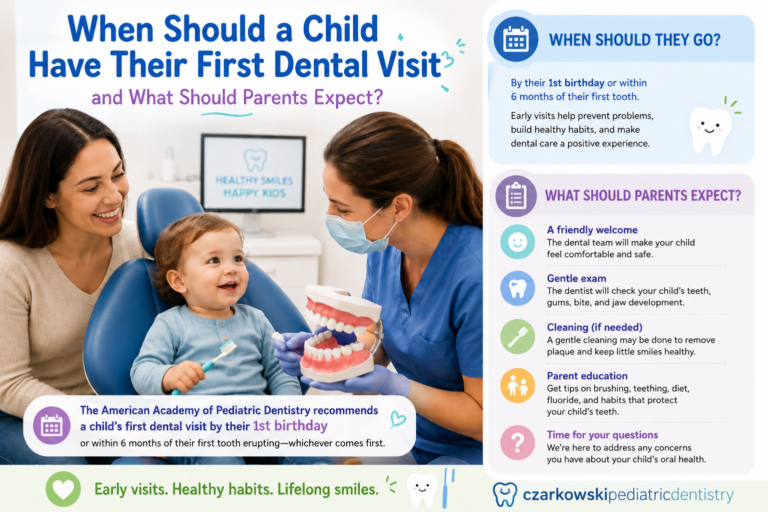
Before You Begin: Essential Prerequisites

- Manage Your Own Parental Anxiety: Children detect parental anxiety through verbal and non-verbal cues (Journal of Dentistry for Children, 2023). Schedule a consultation without your child to discuss your concerns with a pediatric dentist first.
- Identify the Right Pediatric Dentist: Select a family dentist or pediatric dentist experienced in behavioral management techniques and child-friendly atmosphere design. Verify credentials through the American Academy of Pediatric Dentistry directory.
- Recognize Anxiety Symptoms: Common signs include crying, refusal to open mouth, complaints of stomachache, sleep disruption before appointments, and white coat syndrome (elevated stress upon seeing dental professionals).
- Timeline Awareness: Desensitization typically requires 2-4 visits. Severe dental phobia may require 6-12 months of consistent intervention.
Step 1: Assess Your Child’s Dental Anxiety Level and Anxiety Triggers

Begin by identifying specific fear of dentist triggers using a dental fear survey adapted for children. The Dental Anxiety Scale measures fear intensity on a 1-10 scale.
Assessment Process:
- Ask Open-Ended Questions: “What worries you about the dentist?” Common responses include needle phobia children, drill anxiety kids, and dental procedure fear.
- Review Past Experiences: Document any traumatic dental experience, painful procedures, or negative associations. Fear conditioning often stems from previous cavity filling anxiety or dental extraction fear.
- Observe Physical Responses: Note dental anxiety symptoms such as increased heart rate, sweating, trembling, or refusal to enter the waiting room.
- Document Specific Fears: Common anxious young patients concerns include local anesthesia injections, dental instruments, separation anxiety from parents, and the dental chair itself.
Timeframe: Complete assessment 2-3 weeks before the first dental visit to allow adequate dental visit preparation time.
Step 2: Choose a Child-Friendly Dental Office Environment
The dental office environment significantly impacts children’s dental fear levels. Research shows sensory-friendly dentistry reduces stress by 40% (Pediatric Dentistry Journal, 2023).
Selection Criteria:
| Feature | Why It Matters |
|---|---|
| Child-friendly atmosphere with toys, colorful décor | Reduces dental office fears through familiar, non-threatening visual cues |
| TV distraction or ceiling-mounted screens | Provides distraction methods during dental examination |
| Gentle dental care philosophy | Prioritizes pain-free dentistry and emotional support dentistry |
| Experienced dental hygienist team | Trained in therapeutic communication and behavioral dental techniques |
Schedule a pre-visit tour allowing your scared child dental visit preview without treatment pressure. This reduces dental readiness barriers for the first dental visit.
Step 3: Prepare Your Child Using Age-Appropriate Language
Psychological preparation through proper communication skills prevents anxiety escalation. Avoid frightening terminology that increases kids afraid of dentist responses.
Communication Guidelines by Age:
Ages 2-4 (Toddlers):
- Use simple phrases: “The dentist will count your teeth” instead of “dental examination”
- Read best books to prepare child for dentist such as “Elmo Visits the Dentist”
- Practice role playing activities for dental visit preparation with stuffed animals
- Focus on tips for first pediatric dental visit success by keeping explanations under 30 seconds
Ages 5-8 (School-Age):
- Explain dental procedure fear honestly but positively: “You might feel pressure but no pain”
- Discuss comfort items they can bring (fidget toys, weighted blanket, favorite music)
- Demonstrate breathing exercises for kids dental appointments: 4-count inhale, 6-count exhale
- Address cavity filling anxiety by explaining preventive care benefits
Ages 9-12 (Preteens):
- Provide factual information about dental procedure stress reduction techniques
- Explain sedation dentistry options including nitrous oxide (“laughing gas”)
- Discuss teenage dental anxiety management strategies collaboratively
- Emphasize treatment tolerance as a life skill
Critical Rule: Never use phrases like “It won’t hurt” or “Don’t be scared.” These create negative expectations and increase nervous child dentist reactions.
Step 4: Use the Tell-Show-Do Technique During the Appointment
The tell-show-do technique is the gold standard behavioral management method endorsed by the American Academy of Pediatric Dentistry (2024). This gentle dentist approach reduces fearful pediatric patient responses by 65%.
Implementation Steps:
- Tell: The pediatric dentist explains the procedure using age-appropriate language before beginning. “I’m going to use this special tooth counter to check each tooth.”
- Show: Demonstrate dental instruments on your hand or a model first. Let the child touch the mirror, explorer, or suction tool.
- Do: Perform the procedure only after the child demonstrates cooperative behavior and dental acceptance.
This method works for teeth cleaning, dental x-ray procedures, and numbing shot anxiety reduction. Experts at easing kids’ dental anxiety use modified versions for children with anxiety disorder or special needs.
Step 5: Implement Distraction Methods and Relaxation Techniques
Non-pharmacological interventions effectively manage dental appointment anxiety without medication. Combine multiple coping strategies for optimal stress-free dental care.
Evidence-Based Distraction Techniques:
- Visual Imagery: Guide children to imagine favorite places during procedures. “Picture yourself at the beach while I clean your teeth.”
- Music Therapy: Use headphones with preferred music. Research shows 30-40% anxiety reduction (Clinical Pediatric Dentistry, 2023).
- TV Distraction: Ceiling-mounted screens playing cartoons during dental procedure reduce perceived pain by 50%.
- Aromatherapy: Lavender or vanilla scents in the dental office environment decrease cortisol levels.
- Comfort Items: Allow weighted blankets, fidget toys, or stress balls during treatment.
Progressive Muscle Relaxation:
Teach this emotional regulation technique 1 week before the appointment:
- Tense toes for 5 seconds, then release
- Tense leg muscles for 5 seconds, release
- Tense abdomen for 5 seconds, release
- Tense fists for 5 seconds, release
- Tense shoulders for 5 seconds, release
Practice daily to establish familiarity with calming techniques dentistry professionals recommend.
Step 6: Apply Positive Reinforcement Strategies
Reward systems build dental confidence building and positive dental attitude over time. The sticker chart method shows 75% effectiveness in reducing uncooperative dental patient behaviors (Behavioral Pediatrics, 2024).
Effective Reward System Design:
| Behavior | Reward | Timing |
|---|---|---|
| Entering dental office without protest | Sticker or small toy | Immediate |
| Sitting in dental chair calmly | Praise + sticker | Immediate |
| Opening mouth for examination | Verbal praise + privilege | Immediate |
| Completing full appointment | Special activity or treat | Within 24 hours |
Key Principle: Reward effort and cooperation, not just perfect behavior. Acknowledge progress in managing dental fear even if the child requires breaks.
Step 7: Consider Sedation Dentistry Options for Severe Cases
For children with severe dental phobia, anxiety disorder, or traumatic dental experience history, pharmacological interventions ensure safe dental treatment fear management.
Sedation Options:
Nitrous Oxide (Laughing Gas):
- Best For: Mild to moderate pediatric dental anxiety disorder
- Administration: Inhaled through nasal mask during procedure
- Recovery: Wears off within 5 minutes; child can resume normal activities
- Success Rate: 85% reduction in dental stress children symptoms
Oral Conscious Sedation:
- Best For: Moderate dental phobia children requiring longer procedures
- Administration: Liquid medication 30-60 minutes before appointment
- Monitoring: Requires pediatric dentist certified in sedation dentistry
- Recovery: Effects last 2-4 hours; supervision required
IV Sedation or General Anesthesia:
- Best For: Severe cases, special needs children, or extensive dental work
- Setting: Children’s hospital or accredited surgical center
- Supervision: Anesthesiologist and pediatric dentist team
- Considerations: Reserved for dental trauma prevention when other methods fail
Discuss risks, benefits, and alternatives with your pediatric dentist. According to the American Academy of Pediatric Dentistry (2024), sedation should complement, not replace, behavioral dental techniques.
Step 8: Build Long-Term Dental Confidence Through Consistency
Sustained fear reduction strategies prevent relapse and establish fearless dental visits as the norm. Research indicates consistent positive dental experiences for kids eliminate anxiety in 80% of cases within 12 months.
Maintenance Plan:
- Schedule Regular Checkups: Maintain dental checkup anxiety-free visits every 6 months for preventive care
- Celebrate Milestones: Acknowledge progress from first dentist appointment to routine teeth cleaning
- Continue Home Practice: Use breathing exercises and relaxation techniques weekly
- Address Setbacks Promptly: If fear returns after orthodontic anxiety or new procedures, restart desensitization immediately
- Model Positive Behavior: Let children observe your comfortable dental experience to normalize care
Troubleshooting Common Problems
If Your Child Refuses to Open Their Mouth:
Solution: Request the pediatric dentist use “knee-to-knee” positioning where parent holds child facing the dentist. Practice mouth-opening games at home with a timer (start with 5 seconds, increase gradually).
If Separation Anxiety Prevents Parent from Leaving:
Solution: Most child-friendly dental practices allow parents in the treatment room for young children. Position yourself within sight but behind the dental chair to avoid inadvertent parental anxiety transmission.
If Previous Traumatic Dental Experience Causes Extreme Fear:
Solution: Consider cognitive behavioral therapy with a child psychologist specializing in dental phobia treatment. Combine with gradual exposure using a fear hierarchy (wait in car → enter waiting room → sit in dental chair → examination).
If Dental Environment Modification Isn’t Enough:
Solution: Managing dental anxiety in special needs children or those with ADHD may require specialized approaches. Consult pediatric dentists experienced with managing dental fear in children with ADHD or how to help autistic child with dental anxiety techniques.
Next Steps: Ongoing Anxiety Prevention and Preventive Care
Sustaining anxiety-free dentistry requires continuous reinforcement and strategic planning:
Immediate Actions (This Week):
- Schedule a consultation with a pediatric dentist to discuss your child’s specific pediatric dental stress patterns
- Begin practicing breathing exercises for kids dental appointments daily
- Create a sticker chart for dental-related achievements
- Read age-appropriate books about positive dentist experiences
Short-Term Goals (1-3 Months):
- Complete dental visit preparation including office tour and meet-and-greet
- Attend first appointment focused solely on examination without treatment
- Establish reward system for cooperative behavior
- Practice comfort measures and distraction methods
Long-Term Strategies (6-12 Months):
- Graduate from simple dental checkup anxiety to comfortable dental experience with cleanings
- Address new procedures (cavity filling, dental x-ray fear) using established coping strategies
- Transition from frequent reinforcement to intermittent rewards
- Develop child dental compliance as an independent skill
Success Indicator: Most children progress from nervous about dentist to demonstrating child cooperation dentist encounters within 3-6 visits when parents consistently apply these evidence-based techniques.
Remember that reducing dental fear in children is a gradual process requiring patience, consistency, and collaboration between parents, pediatric dental professionals, and the child. With proper dental anxiety help and systematic fear reduction strategies, you can transform your child’s relationship with dental care from one of dread to confidence.