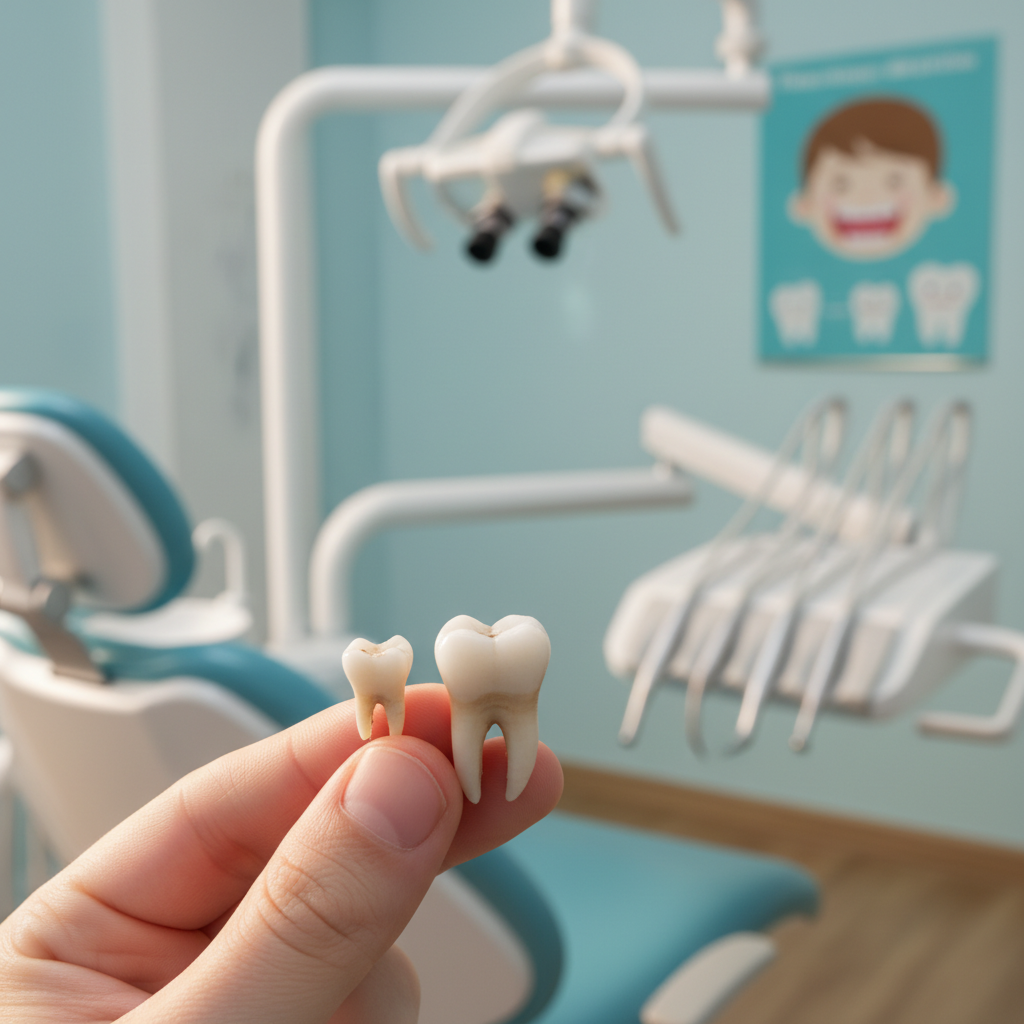
Knocked Out Baby Tooth vs. Permanent Tooth Care: Essential Emergency Dental Trauma Management Guidelines
Dental emergencies involving avulsed teeth represent some of the most stressful situations parents and adults face. Understanding the critical differences between knocked-out baby tooth vs. permanent tooth care can mean the difference between saving a tooth and losing it permanently. The American Academy of Pediatric Dentistry and American Dental Association provide clear guidance that distinguishes treatment protocols for primary teeth versus permanent teeth, with remarkably different approaches that every parent and caregiver should understand.
This comprehensive guide examines the fundamental distinctions in emergency response, immediate treatment, and long-term implications when dealing with traumatic dental injury in children versus adults. Whether you’re managing a playground accident involving primary dentition or an adult tooth trauma from sports activities, knowing the appropriate first aid measures and time-critical intervention strategies significantly impacts treatment success evaluation and tooth survival rate. The information presented here reflects evidence-based protocols from leading dental organizations and experienced emergency dentists who handle these cases daily.
Primary Teeth and Permanent Teeth Demonstrate Fundamental Anatomical Differences

Baby teeth, scientifically termed deciduous teeth or milk teeth, possess distinct structural characteristics compared to adult teeth that directly influence treatment decisions during dental emergencies. These temporary teeth have thinner tooth enamel, less dentin, and proportionally larger dental pulp chambers relative to their crown size. The tooth root of primary teeth is shorter and undergoes natural root resorption as the successor tooth develops beneath, making reimplantation potentially harmful to the developing permanent tooth bud waiting to erupt.
Permanent teeth, conversely, feature fully formed root structures anchored firmly in alveolar bone through complex periodontal ligament fibers designed for lifelong function. The root development of adult teeth includes complete apex formation in mature teeth, while younger permanent teeth may have open apex configurations in immature tooth stages. These anatomical distinctions explain why a pediatric dentist approaches a knocked out baby tooth completely differently than an endodontist or oral surgeon handles an avulsed permanent tooth requiring immediate reimplantation.
Dental Emergency Protocols Differ Dramatically Between Tooth Types
When a child experiences a knocked out baby tooth emergency, the standard protocol explicitly advises against tooth reimplantation. Attempting to replace a primary tooth into its tooth socket creates significant risks, including damage to the developing permanent tooth beneath, introduction of infection to the tooth bud area, and potential ankylosis that could interfere with normal tooth eruption patterns. Emergency dental care for primary tooth trauma focuses instead on controlling bleeding, managing pain, assessing soft tissue damage, and monitoring the area for complications while allowing natural healing.
Conversely, a knocked out permanent tooth represents a genuine time-critical intervention scenario where every minute counts toward reimplantation success. The periodontal ligament cells attached to the tooth root remain viable for limited periods, making immediate treatment the cornerstone of tooth survival rate optimization. Emergency response should include gentle handling by the tooth crown only, rapid cleaning if contaminated, and immediate reinsertion into the tooth socket when possible, followed by urgent professional stabilization through splinting procedure by an emergency dentist or dental emergency room specialist.
Tooth Preservation and Storage Methods Impact Permanent Tooth Survival Rate
Understanding proper avulsed tooth handling techniques dramatically influences the likelihood of successful tooth reimplantation for permanent teeth. The periodontal ligament cells covering the tooth root require moisture and appropriate osmolarity to remain viable during transport to dental care. Hank’s Balanced Salt Solution represents the optimal storage medium, commercially available as Save-A-Tooth emergency tooth preservation systems, maintaining cell viability for extended periods compared to alternative options.
When specialized solutions are unavailable, cold milk preservation serves as an excellent alternative storage medium due to its compatible osmolarity and readily available household presence. Other acceptable options include saline solution or placing the tooth in the patient’s own saliva by holding it in the mouth between the cheek and gum. Never store a knocked out tooth in tap water, which causes cell death through osmotic damage, or allow the tooth to dry, which leads to irreversible periodontal ligament death within minutes. These tooth storage methods remain irrelevant for primary teeth since reimplantation is contraindicated regardless of preservation quality.
Tooth Reimplantation Procedures Require Specialized Dental Expertise
Professional management of an avulsed permanent tooth involves multiple sophisticated steps performed by a pediatric dentist, endodontist, or emergency dentist depending on patient age and tooth maturity. The tooth reimplantation procedure begins with careful examination of both the avulsed tooth and the tooth socket, followed by gentle irrigation with saline solution to remove debris while preserving vital periodontal tissues. The tooth is then carefully repositioned into its original location with appropriate pressure, ensuring proper alignment and seating depth within the alveolar bone structure.
Following successful reinsertion, a splinting procedure using dental composite materials bonds the traumatized tooth to adjacent stable teeth, providing stabilization for typically two weeks while periodontal healing occurs. A dental X-ray or radiograph confirms proper positioning and establishes baseline documentation for monitoring potential complications like root resorption, pulp necrosis, or ankylosis during follow-up appointments. Root canal treatment is often necessary, particularly for mature teeth with closed apex, though immature teeth with open apex may benefit from vital pulp therapy approaches like apexogenesis that encourage continued root development.
Pediatric Dental Emergency Management Focuses on Comprehensive Assessment
When childhood dental trauma involves a knocked out baby tooth, the pediatric dentist’s examination extends beyond the missing tooth to comprehensive evaluation of surrounding structures. Soft tissue injury assessment identifies lacerations requiring wound management, checks for embedded tooth fragments in lips or gums, and evaluates alveolar bone integrity through clinical examination and radiograph imaging. Bleeding control is achieved through direct pressure with gauze, while ice application reduces swelling and provides pain management support during the acute phase.
The dental professional also assesses whether the primary tooth was completely avulsed or possibly intruded into the gum tissue, a common occurrence where the tooth is pushed upward into the socket rather than knocked out entirely. This distinction requires dental X-ray evaluation to locate the tooth position relative to the developing permanent tooth bud. Treatment planning considerations include space management protocols if the lost tooth would normally remain for extended periods before the permanent replacement erupts, potentially requiring orthodontic consideration to prevent space closure and ensure proper tooth alignment.
Infection Control and Medical Management Support Healing Processes
Both primary tooth avulsion and permanent tooth trauma require attention to infection control measures that prevent complications like dental abscess formation or apical periodontitis development. Chlorhexidine mouthwash or gentle saline solution rinses beginning 24 hours post-injury help maintain oral hygiene after trauma while supporting periodontal healing. Antibiotics may be prescribed when significant soft tissue injury accompanies the dental trauma, when contamination occurred, or when the patient’s tetanus prophylaxis status requires updating according to medical protocols.
Pain management strategies typically include anti-inflammatory medication that simultaneously addresses both discomfort and swelling reduction, alongside pain relief through appropriate analgesics matched to patient age and injury severity. Soft diet recommendations protect the traumatized area during initial healing, while gentle brushing technique maintains oral hygiene without disturbing the injury site. These supportive measures apply regardless of whether the avulsion involved primary dentition or permanent dentition, though the duration and intensity of follow-up care differs substantially between tooth types.
Long-Term Complications and Monitoring Requirements Vary Significantly
Permanent teeth that undergo reimplantation require extensive long-term monitoring through periodic monitoring appointments involving clinical examination, vitality testing using thermal testing or electric pulp testing methods, mobility examination, and radiographic evaluation. Potential complications include pulp necrosis requiring root canal treatment, inflammatory root resorption causing progressive root destruction, replacement resorption or ankylosis where bone replaces tooth structure, and cervical root resorption affecting the tooth at the gum line. Tooth discoloration, particularly gray tooth after trauma, often signals pulp death and necessitates endodontic intervention.
For lost baby teeth, long-term concerns focus primarily on space maintenance and monitoring successor tooth development rather than the avulsed primary tooth itself. The underlying permanent tooth typically erupts normally according to its developmental timeline, though parents often worry unnecessarily about delayed tooth eruption. Complications requiring intervention include premature space closure requiring orthodontic consideration, damage to the developing tooth bud causing enamel defects or tooth discoloration in the permanent successor, or rarely, disruption to normal tooth development patterns. These outcomes remain relatively uncommon, but periodic monitoring through follow-up appointments with a pediatric dentist ensures early detection and appropriate management.
Prevention Strategies and Emergency Preparedness Reduce Trauma Impact
Knocked out tooth prevention strategies significantly reduce the incidence of traumatic dental injury, particularly for children and adults participating in contact sports or high-risk activities. Custom-fitted mouthguards provided by a pediatric dentist or general dentist offer superior protection compared to generic store-bought options, distributing impact forces and cushioning teeth during falls or collisions. Educational initiatives teaching proper playground safety, addressing fall prevention in toddlers, and promoting protective equipment use during athletic activities all contribute to reduced dental trauma incidence across age groups.
Emergency preparedness education empowers parents, teachers, coaches, and caregivers to respond appropriately when dental emergencies occur. Understanding what to do when permanent tooth gets knocked out versus what to do when baby tooth gets knocked out prevents well-intentioned but harmful interventions like attempting to reimplant primary teeth. Maintaining emergency contact information for a pediatric dentist and local emergency dentist, keeping tooth preservation solutions in first aid kits for sports teams and schools, and practicing emergency response protocols all improve outcomes when time-critical intervention becomes necessary for permanent tooth survival.
Treatment Success Evaluation and Tooth Replacement Options
The reimplantation success rate for permanent teeth depends heavily on extraoral time duration, storage conditions, patient age, root development stage, and promptness of professional intervention. Teeth reimplanted within 20 minutes demonstrate significantly higher periodontal healing success compared to those with extended dry time. Immature teeth with open apex show more favorable healing potential, including possible pulp revascularization, while mature teeth almost universally require root canal treatment but can function successfully for decades with proper care and monitoring.
When permanent tooth preservation proves impossible or reimplantation fails, tooth replacement options include dental implants after skeletal growth completion in adolescents, bridge work utilizing adjacent teeth as anchors, or removable denture appliances for temporary solutions. For lost primary teeth, space management approaches may include passive monitoring in many cases or fixed space maintainers when significant time remains before permanent tooth eruption. These decisions require comprehensive evaluation by dental professionals considering the patient’s age, specific tooth location, occlusal development needs, bite alignment requirements, and impact on facial growth patterns.
| Aspect | Knocked Out Baby Tooth | Knocked Out Permanent Tooth |
|---|---|---|
| Reimplantation | NOT recommended – contraindicated | Essential for tooth survival – immediate action required |
| Storage Method | Not applicable – tooth not reimplanted | Critical – milk, Hank’s solution, or saline |
| Time Sensitivity | Non-urgent – schedule appointment within days | Extreme urgency – every minute matters |
| Professional Needed | Pediatric dentist for evaluation | Emergency dentist, endodontist, or dental emergency room |
| Follow-up Treatment | Monitor space and successor tooth development | Root canal, splinting, extensive monitoring |
| Replacement Concern | Natural permanent tooth will erupt normally | May require implant, bridge, or denture if tooth lost |
Emergency Dental Care Guidelines for Immediate Response
When dental trauma occurs, immediate assessment determines whether the situation involves primary dentition or permanent dentition, fundamentally directing all subsequent emergency dental care decisions. For baby tooth knocked out scenarios, focus on comfort measures, bleeding control through direct pressure, and scheduling a pediatric dental emergency evaluation within 24-48 hours to assess for complications. Parents should resist the instinct to replace the tooth and instead preserve it only for showing the dentist to confirm complete avulsion versus intrusion or fracture scenarios.
For permanent tooth knocked out emergencies, rapid decision-making dramatically influences treatment success evaluation outcomes. Locate the tooth immediately, handle only by the crown while avoiding touching the root, rinse gently only if visibly contaminated without scrubbing, and attempt immediate reinsertion if possible before seeking professional care. If reinsertion isn’t feasible, immediately place the tooth in appropriate storage medium and proceed directly to an emergency dentist or dental emergency room within 30 minutes for optimal periodontal ligament cell survival and reimplantation success likelihood.
How Should Caregivers Manage Bleeding and Pain Control?
Wound management begins with bleeding control using clean gauze applied with firm, constant pressure directly to the tooth socket for 10-15 minutes. The patient should avoid rinsing, spitting, or sucking actions that dislodge the forming blood clot essential for healing. Cold compresses or ice application to the external cheek area reduces swelling and provides natural pain management support, though ice should never contact the tooth root directly as temperature extremes damage periodontal ligament cells.
Age-appropriate pain medication including acetaminophen or ibuprofen manages discomfort during transport to dental care and throughout the healing period. Anti-inflammatory medication serves dual purposes by addressing both pain relief and swelling reduction simultaneously. Tissue damage assessment by dental professionals may reveal additional injuries requiring specific treatment approaches, including sutures for soft tissue lacerations or antibiotics for infection prevention when contamination or significant gum injury accompanies the avulsion.
What Immediate First Aid Measures Should Be Implemented?
First aid measures for knocked out tooth scenarios should follow established emergency response protocols that differ based on tooth type. For primary teeth, focus exclusively on patient comfort, preventing aspiration of the tooth if still in the mouth, controlling bleeding, applying ice for swelling, and arranging prompt but non-emergency dental evaluation. Document the incident details including time, mechanism of injury, and whether other teeth or facial structures sustained trauma, as this information guides the pediatric dentist’s comprehensive assessment.
For permanent teeth, the initial minutes determine whether that tooth can be saved, making immediate treatment the cornerstone of favorable outcomes. The tooth reimplantation procedure ideally begins at the injury site through immediate, gentle reinsertion by a knowledgeable adult or the patient if age-appropriate. If the patient can bite gently on gauze to hold the tooth in position during transport to professional care, this approach provides optimal conditions for periodontal healing. When immediate reinsertion isn’t possible, proper tooth preservation through appropriate storage methods becomes the critical priority alongside rapid transport to emergency dental services.
Frequently Asked Questions
Should you put a knocked out baby tooth back in the socket?
No, you should never attempt to reimplant a knocked out baby tooth. The American Academy of Pediatric Dentistry explicitly advises against reimplantation of primary teeth due to significant risks including damage to the developing permanent tooth beneath, potential infection of the tooth bud, and ankylosis that could interfere with normal eruption patterns. Instead, focus on controlling bleeding, managing pain with ice application, and scheduling an evaluation with a pediatric dentist within 24-48 hours to assess for complications and monitor the successor tooth development.
What should you do immediately when a permanent tooth gets knocked out?
Time-critical intervention is essential for permanent tooth survival. Locate the tooth immediately, handle it only by the crown without touching the root, and gently rinse only if contaminated without scrubbing the root surface. If possible, attempt immediate reinsertion into the socket and have the patient bite gently on gauze to hold it in position. If reinsertion isn’t feasible, immediately place the tooth in cold milk, Hank’s Balanced Salt Solution, or saline solution, and proceed directly to an emergency dentist within 30 minutes for professional reimplantation and splinting procedure.
How long can a knocked out permanent tooth survive outside the mouth?
The tooth survival rate depends critically on extraoral time and storage conditions. Periodontal ligament cells begin dying within minutes when the tooth dries, with dramatically reduced reimplantation success after 60 minutes of dry time. However, proper tooth preservation in cold milk or Hank’s Balanced Salt Solution can maintain cell viability for several hours. Optimal outcomes occur with reimplantation within 20 minutes, making immediate treatment the most important factor. Even teeth with extended extraoral time may be worth attempting reimplantation, as the alternative is permanent tooth loss requiring eventual replacement with implants or bridge work.
Will the permanent tooth grow back if a baby tooth is knocked out early?
Yes, the permanent successor tooth will typically erupt normally according to its natural developmental timeline, regardless of when the baby tooth was lost. The developing permanent tooth bud exists independently beneath the primary tooth and continues its growth and development on its predetermined schedule. However, early loss of baby teeth can occasionally lead to space closure as adjacent teeth drift into the gap, potentially requiring orthodontic consideration or space management through fixed space maintainers. A pediatric dentist should monitor the area through periodic examinations to ensure the permanent tooth erupts properly and address any complications early.
Why do knocked-out permanent teeth sometimes turn gray after reimplantation?
Tooth discoloration, particularly a gray tooth after trauma, typically indicates pulp necrosis where the dental pulp tissue inside the tooth has died following the traumatic injury. This occurs because the blood supply to the pulp was severed during the avulsion and may not successfully revascularize after reimplantation. Gray discoloration results from breakdown products of dead pulp tissue permeating the dentin structure. This complication necessitates root canal treatment to remove the necrotic pulp, prevent infection and dental abscess formation, and preserve the tooth structure. Regular monitoring through dental X-rays and vitality testing helps detect pulp necrosis early, even before visible discoloration appears.
When should antibiotics be prescribed for a knocked-out tooth?
Antibiotics are not routinely required for all tooth avulsion cases, but may be prescribed by an emergency dentist or pediatric dentist in specific circumstances. These include situations with significant soft tissue injury or gum damage, visible contamination of the tooth or socket with dirt or foreign material, compromised immune system status, delayed treatment timing, or when the patient’s medical history indicates increased infection risk. Additionally, tetanus prophylaxis should be considered for contaminated injuries if the patient’s immunization status is not current. The dental professional evaluates each case individually to determine appropriate infection control measures based on injury characteristics.