What Are Dental Sealants? A Complete Guide to Protective Tooth Coatings for Children
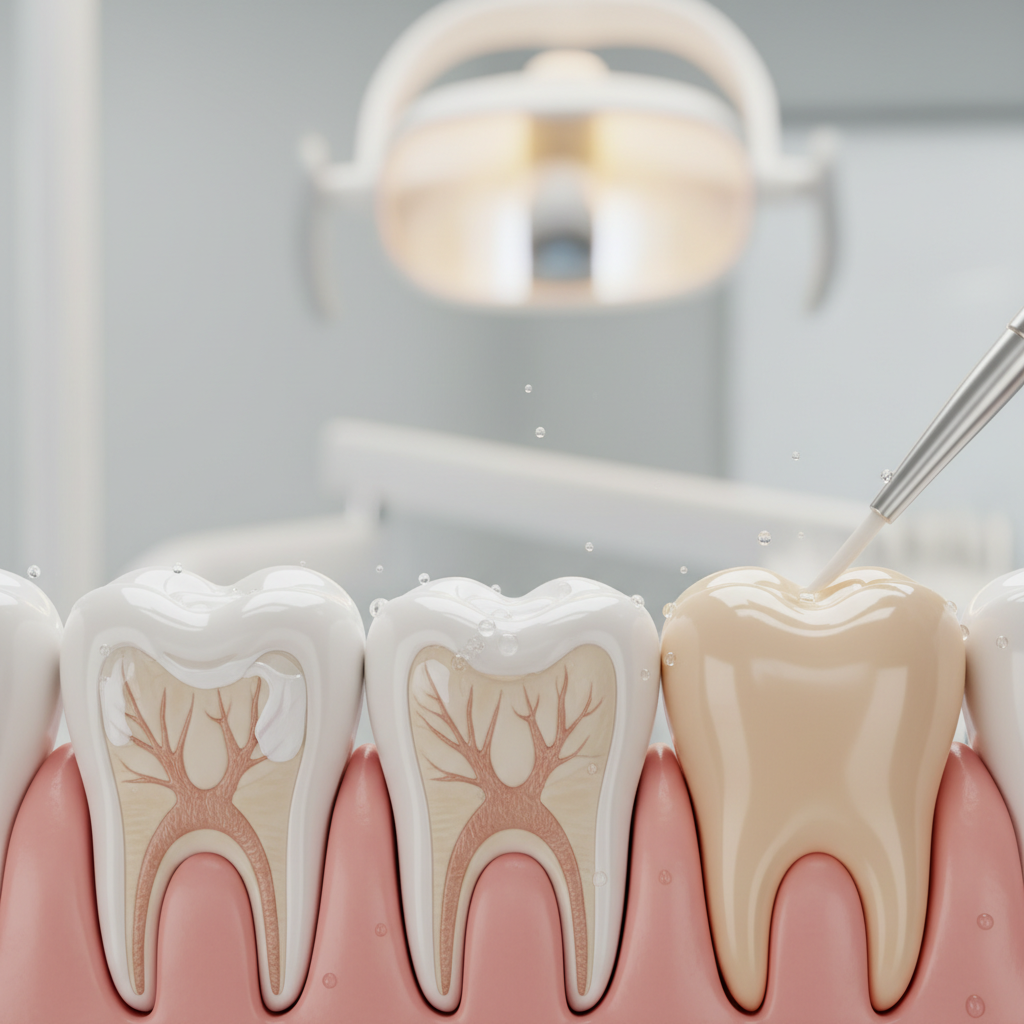
Dental sealants are thin, protective coatings made of resin or glass ionomer materials that dentists apply to the chewing surfaces of back teeth (molars and premolars) to prevent tooth decay and cavities. This preventive dental treatment creates a barrier that shields the enamel from bacteria, food particles, and acid erosion, particularly in the deep pits and fissures where toothbrush bristles cannot effectively reach.
Why Dental Sealants Matter for Children’s Oral Health
Tooth decay remains the most common chronic disease among children in the United States, affecting approximately 20% of children aged 5 to 11 years, according to the Centers for Disease Control and Prevention (CDC, 2024). The deep grooves on the biting surface of permanent molars and premolars create ideal environments for dental plaque accumulation and bacterial growth, making these teeth particularly vulnerable to dental caries.
The American Dental Association (ADA) and the American Academy of Pediatric Dentistry (AAPD) both strongly recommend dental sealants as a safe and effective cavity prevention method for children. According to CDC research published in 2016 and reaffirmed through 2025, school-age children without sealants have nearly three times more cavities than those with sealants. This preventive dental treatment can reduce the risk of decay in molars by approximately 80% in the first two years after application and continues to protect against cavities for up to four years.
Pediatric dentistry experts emphasize that preventive care, including dental sealants, represents a cost-effective approach to maintaining children’s dental health. The protective coating teeth receive through sealant application prevents the need for more invasive and expensive dental restoration procedures such as fillings, crowns, or root canals later in life.
Key Characteristics of Dental Sealants
Understanding the fundamental properties of dental sealants helps parents make informed decisions about their children’s oral cavity protection:
- Material Composition: Dental sealants consist primarily of resin-based materials or glass ionomer sealants. The most common type uses composite resin, a BPA-free dental resin that bonds directly to tooth enamel. Glass ionomer sealants release fluoride over time, providing additional enamel protection.
- Application Area: Pit and fissure sealants target the occlusal surface (chewing surface) of back teeth, specifically the deep grooves and fissures where food particles and bacteria accumulate. These chewing surface sealants primarily protect molars and premolars, though buccal sealants (on the cheek side) and lingual sealants (on the tongue side) may occasionally be applied.
- Durability and Longevity: Permanent molar sealants typically last 5 to 10 years with proper care, though sealant longevity varies based on chewing habits, oral hygiene practices, and the quality of the initial application. Dental professionals check sealants during regular dental checkup appointments and recommend sealant replacement when wear becomes evident.
- Visual Appearance: Dental sealant material can be clear, white, or slightly tinted, allowing dentists and dental hygienists to easily monitor the protective coating during routine examinations.
- Preventive Effectiveness: Clinical evidence sealants gathered over four decades demonstrates that this dental protective coating reduces cavity risk by 80% in the first two years and approximately 50% for up to four years after application, according to systematic reviews published through 2025.
How Dental Sealants Work: The Application Process
The tooth sealant application process is painless, quick, and typically completed in a single visit to the dental office or dental clinic. Understanding how are dental sealants applied to teeth helps alleviate anxiety for both children and parents:
- Tooth Cleaning and Preparation: The pediatric dentist or dental hygienist thoroughly cleans the tooth surface to remove all dental plaque, food debris, and bacteria from the pits and fissures. This cleaning ensures optimal bonding of the dental coating.
- Tooth Drying and Conditioning: Each tooth receiving a sealant is carefully dried, and an acidic gel is applied to the chewing surface for several seconds. This etching solution creates a slightly rough surface on the tooth enamel, enhancing the bond between the tooth and the resin sealant.
- Rinsing and Re-drying: The conditioning gel is rinsed away, and the tooth is dried again to ensure no moisture interferes with the pit and fissure sealant adhesion.
- Sealant Application: The dentist carefully paints the liquid resin-based sealant onto the tooth grooves and dental fissures, ensuring complete coverage of all vulnerable areas on the back tooth protection surface.
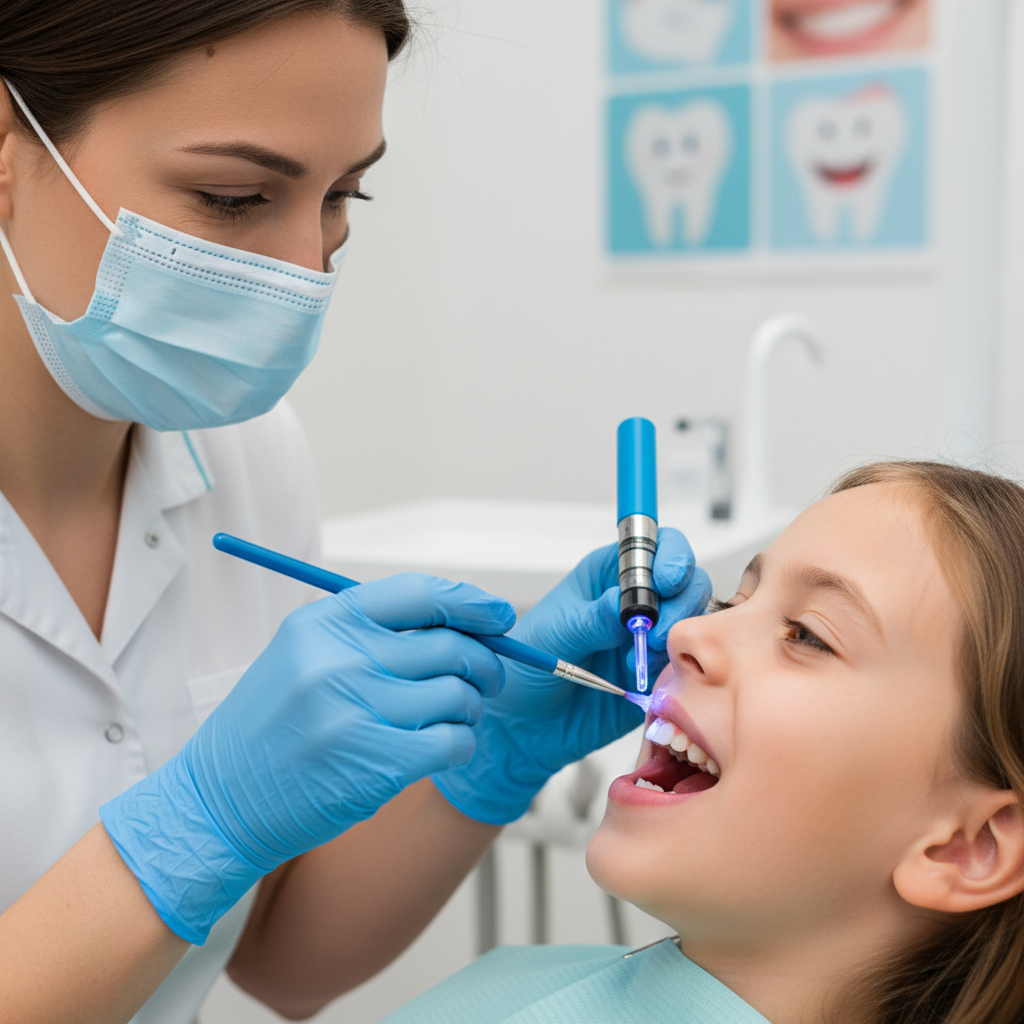
- Curing and Hardening: A special blue light is used to harden the sealant material, transforming it from a liquid to a solid protective barrier in approximately 30 seconds. Some glass ionomer sealants harden chemically without requiring light activation.
- Final Check: The dental professional examines the sealed tooth to ensure proper coverage and checks the bite to confirm the sealant doesn’t interfere with normal chewing function.
The entire teeth sealing procedure takes just a few minutes per tooth, making it an efficient preventive dental treatment option. At Czarkowski Pediatric Dentistry, specialists ensure children remain comfortable throughout the application process while achieving optimal molar protection.
Common Misconceptions About Dental Sealants: Myth vs. Reality
Several myths persist about dental sealants for children, creating unnecessary hesitation among parents. Here are evidence-based clarifications:
Myth: Dental sealants contain dangerous levels of BPA (bisphenol A) that pose health risks to children.
Reality: Multiple studies, including research published by the ADA through 2025, confirm that BPA exposure from dental sealants is negligible and poses no health risk. The trace amounts of BPA potentially released during sealant application are far lower than exposures from common food containers and environmental sources. Most modern sealant ingredients have been reformulated to minimize or eliminate BPA entirely.
Myth: The dental sealant procedure is painful for children.
Reality: Applying dental sealants involves no drilling, needles, or removal of tooth structure. Children experience no pain during the process. The question “are dental sealants painful for children” can be answered definitively: no, the application is completely painless.
Myth: Sealants are only necessary for children with poor oral hygiene or high cavity risk.
Reality: While cavity-prone teeth benefit most from sealant protection, the American Academy of Pediatric Dentistry sealant guidelines recommend them for all children. Even children who brush and floss diligently cannot adequately clean the deep pits and fissures on back teeth where 90% of cavities occur.
Myth: Dental sealants trap bacteria underneath, causing more decay.
Reality: When properly applied to clean, decay-free teeth, sealants create an impermeable barrier that prevents new bacteria from accessing the tooth surface. Research shows that even if minimal bacteria remain after cleaning, the sealed environment prevents their growth and acid production.
Myth: Primary teeth don’t need sealants since they fall out anyway.
Reality: Baby teeth maintain spacing for permanent teeth and are essential for proper nutrition and speech development. The question “can dental sealants be applied to baby teeth” has a clear answer: yes, when primary molars have deep grooves and the child can cooperate with the procedure, typically around age 3-4.
Dental Sealants vs Fluoride Treatment: Complementary Cavity Prevention Methods
Parents often ask about sealant or fluoride options, but these preventive dentistry approaches serve different purposes and work best together:
| Feature | Dental Sealants | Fluoride Treatment |
|---|---|---|
| Mechanism | Physical barrier preventing bacteria and food from entering pits and fissures | Chemical strengthening of enamel, making it more resistant to acid attacks |
| Target Area | Occlusal surfaces (chewing surfaces) of molars and premolars | All tooth surfaces, particularly smooth surfaces between teeth |
| Duration | Lasts 5-10 years with proper maintenance | Topical application provides benefits for several months; requires regular reapplication |
| Application Method | Painted on and hardened with special light | Gel, foam, varnish, or rinse applied to teeth |
| Best For | Deep grooves on back teeth where 90% of childhood cavities occur | Overall enamel protection and remineralization of early decay |
| Cavity Reduction | Up to 80% reduction in molar cavities | Approximately 25-30% reduction in overall cavities |
Pediatric dental care experts recommend both dental sealants and fluoride treatment as part of a comprehensive cavity prevention strategy. These cavity prevention methods address different vulnerability points in children’s teeth, providing maximum tooth protection when used together alongside proper brushing and flossing.
Who Should Get Dental Sealants and When?
Understanding when should children get dental sealants and what age should kids get dental sealants helps optimize preventive care timing:
Age Guidelines for Sealant Application
The CDC recommendations for dental sealants in children specify the following timeline:
- Age 6-7 years: Apply permanent molar sealants to the first permanent molars (the “6-year molars”) as soon as they fully erupt and can be kept dry during application
- Age 11-13 years: Apply sealants to the second permanent molars (the “12-year molars”) and premolars as they emerge
- Age 3-4 years (selective cases): Consider sealants on baby teeth with deep grooves, particularly in children at high risk for childhood cavities
Which Teeth Should Be Sealed in Children
Not all teeth require sealants. Dentists typically recommend sealing:
- First permanent molars (erupt around age 6)
- Second permanent molars (erupt around age 12)
- Premolars with pronounced pits and fissures
- Primary molars in high-risk children
Front teeth (incisors and canines) rarely need sealants because their smoother surfaces are easier to clean with regular brushing. The focus remains on back teeth sealants for optimal chewing surface protection.
Do All Children Need Dental Sealants?
While the benefits of dental sealants for kids are well-established, dentists evaluate each child individually based on:
- Depth of pits and fissures on molars
- Previous cavity history
- Diet and sugar consumption patterns
- Oral hygiene effectiveness
- Access to fluoridated water
- Saliva composition and flow rate
Even children with excellent oral health benefit from molar sealants, as tooth decay prevention is always preferable to treatment. A pediatric dentist or pediatrician can assess whether your child is a candidate for this dental prophylaxis measure.
Cost, Insurance Coverage, and Access to Dental Sealants
Understanding how much do dental sealants cost for kids and coverage options helps families plan for this preventive investment:
Dental Sealant Cost
As of 2025, the average cost per tooth ranges from $30 to $60, depending on geographic location and dental office. Sealing four molars typically costs $120 to $240, significantly less than treating even a single cavity, which averages $150 to $300 for a basic filling.
Does Insurance Cover Dental Sealants for Children?
Most dental insurance plans cover sealants for children, typically up to age 14-18, as a preventive service. Coverage usually includes:
- 100% coverage for children under most plans
- Application to permanent molars once per tooth every 3-5 years
- Some plans cover premolars and primary teeth sealants
Are Dental Sealants Covered by Medicaid?
Yes, Medicaid programs in all 50 states cover dental sealants for eligible children as part of the Early and Periodic Screening, Diagnostic and Treatment (EPSDT) benefit. Medicaid sealant coverage typically includes permanent molars for children through age 20.
School-Based Sealant Programs and Community Access
To improve access for underserved populations, many states operate school-based sealant programs that provide free sealants to eligible students. These community sealant initiatives and dental public health sealants programs specifically target schools where more than 50% of students qualify for free or reduced-price lunch. Parents can contact their child’s school or local health department to inquire about sealant programs schools offer in their area.
Practical Applications: Maintaining and Monitoring Dental Sealants
Sealant Maintenance and Longevity
Maximizing how long do sealants last requires proper care:
- Continue regular brushing twice daily and flossing once daily
- Avoid chewing ice, hard candies, or using teeth as tools
- Maintain regular dental checkup appointments every six months
- Report any rough or unusual feelings on sealed teeth to your dentist
How Often Should Dental Sealants Be Checked?
Dental professionals evaluate sealants at each routine examination, typically every six months. They check for:
- Chips, cracks, or wear in the sealant material
- Areas where the sealant has debonded from the tooth
- Development of decay around sealant margins
Can Dental Sealants Fall Off?
Yes, sealants can occasionally chip or fall off, though this occurs in less than 5% of cases annually with properly applied sealants. What happens if a dental sealant comes off depends on timing: if detected early during a routine checkup, the dentist can clean and reapply the protective coating before decay develops. This is why sealant maintenance through regular dental visits is essential.
Do Dental Sealants Need to Be Replaced?
Sealant replacement becomes necessary when:
- The sealant material shows significant wear after 5-10 years
- Portions of the sealant have chipped away
- Decay develops around the sealant edges
- The tooth underneath shows signs of demineralization
Reapplication follows the same painless process as the initial application, restoring full back tooth protection.
Are Dental Sealants Worth It for Kids? The Evidence-Based Answer
Sealant research spanning over 40 years consistently demonstrates that dental sealants represent one of the most effective cavity prevention methods available. The CDC states that dental sealants prevent 80% of cavities in back teeth for two years after application and continue to protect against 50% of cavities for at least four years.
When evaluating are dental sealants necessary for kids, consider these evidence-based benefits:
- Proven cavity risk reduction of up to 80% in sealed teeth
- Cost savings compared to treating cavities ($30-60 for prevention vs. $150-300+ for treatment)
- Pain-free, non-invasive application process
- Protection for 5-10 years with proper maintenance
- Safety profile confirmed by decades of use and research
- Coverage by most dental insurance and Medicaid programs
The question “should my child get dental sealants” can be answered affirmatively for most children, particularly those with deep grooves on their molars. Do dentists recommend sealants for children? Yes, both the ADA and AAPD include sealants in their standard recommendations for pediatric oral care.
What does the ADA say about dental sealants? According to the American Dental Association’s official position updated through 2025: “Dental sealants are safe and effective in preventing decay on the chewing surfaces of molars and should be part of a child’s total preventive dental care.”
For parents seeking guidance on children’s teeth protection, consulting with a qualified pediatric dentist ensures personalized recommendations based on each child’s unique oral health needs, tooth anatomy, and cavity risk factors. Preventive measures like dental sealants, combined with excellent oral hygiene and regular professional care, provide children with the best foundation for lifelong dental health.