How to Protect Your Child’s Teeth With a Proper Mouthguard: 6-Step Guide for Spring Sports Season
Protecting your child’s teeth during the spring sports season requires a properly fitted mouthguard that reduces the risk of dental injury by up to 60 times, according to the American Dental Association. This comprehensive guide walks you through selecting, fitting, and maintaining a sports mouthguard in approximately 30-60 minutes, suitable for parents of youth athletes at any skill level.
Before You Begin: Prerequisites and Materials
What You’ll Need:
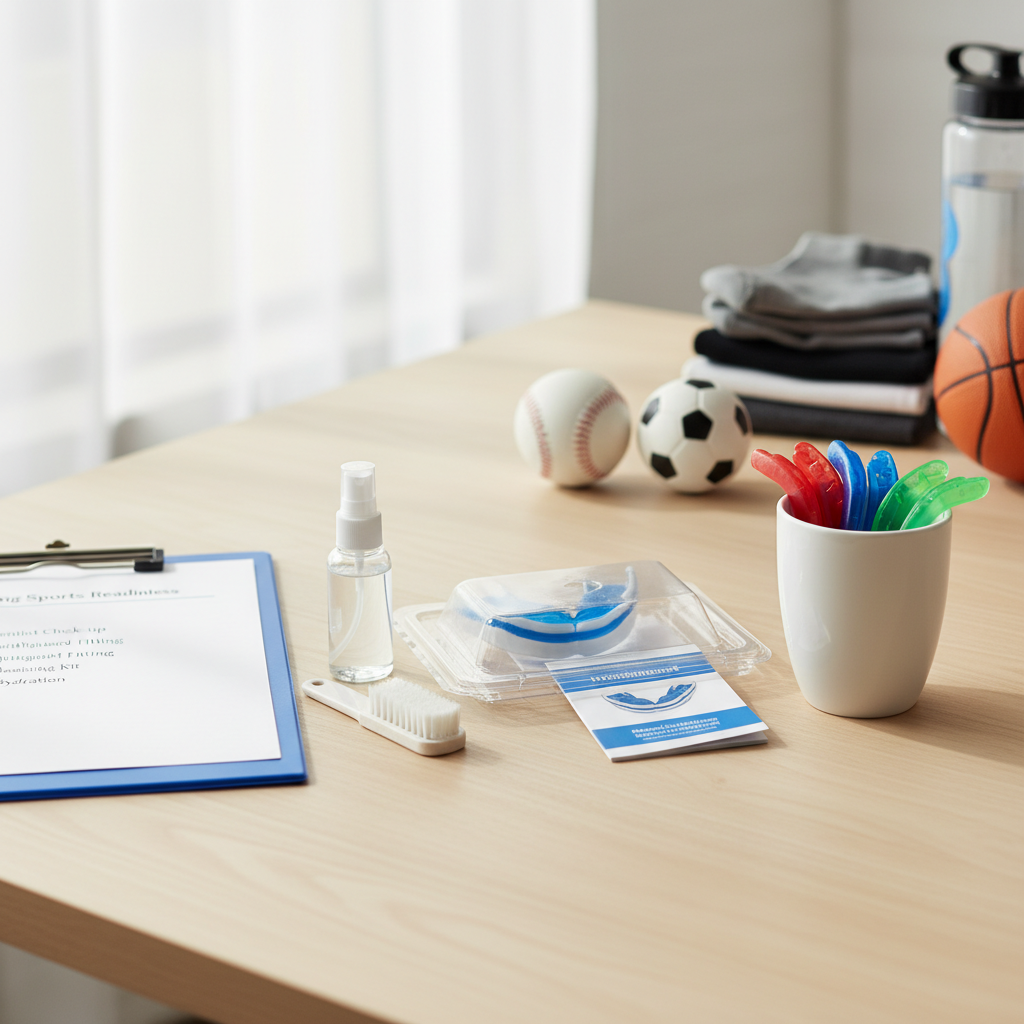
- Contact information for your pediatric dentist or sports dentist
- Knowledge of your child’s specific sport (baseball, softball, soccer, lacrosse, basketball, volleyball, field hockey, wrestling, rugby, tennis, or track and field)
- Budget allocation ($5-$500 depending on mouthguard type)
- Your child’s current orthodontic appliances status (if applicable)
- Storage container for the protective mouthpiece
- Cleaning supplies (mild soap, toothbrush, mouthwash)
Time Required: 30-60 minutes for initial selection and fitting; 5 minutes daily for maintenance
Difficulty Level: Beginner-friendly
Understanding Sports Mouthguard Types and Dental Protection Sports Options
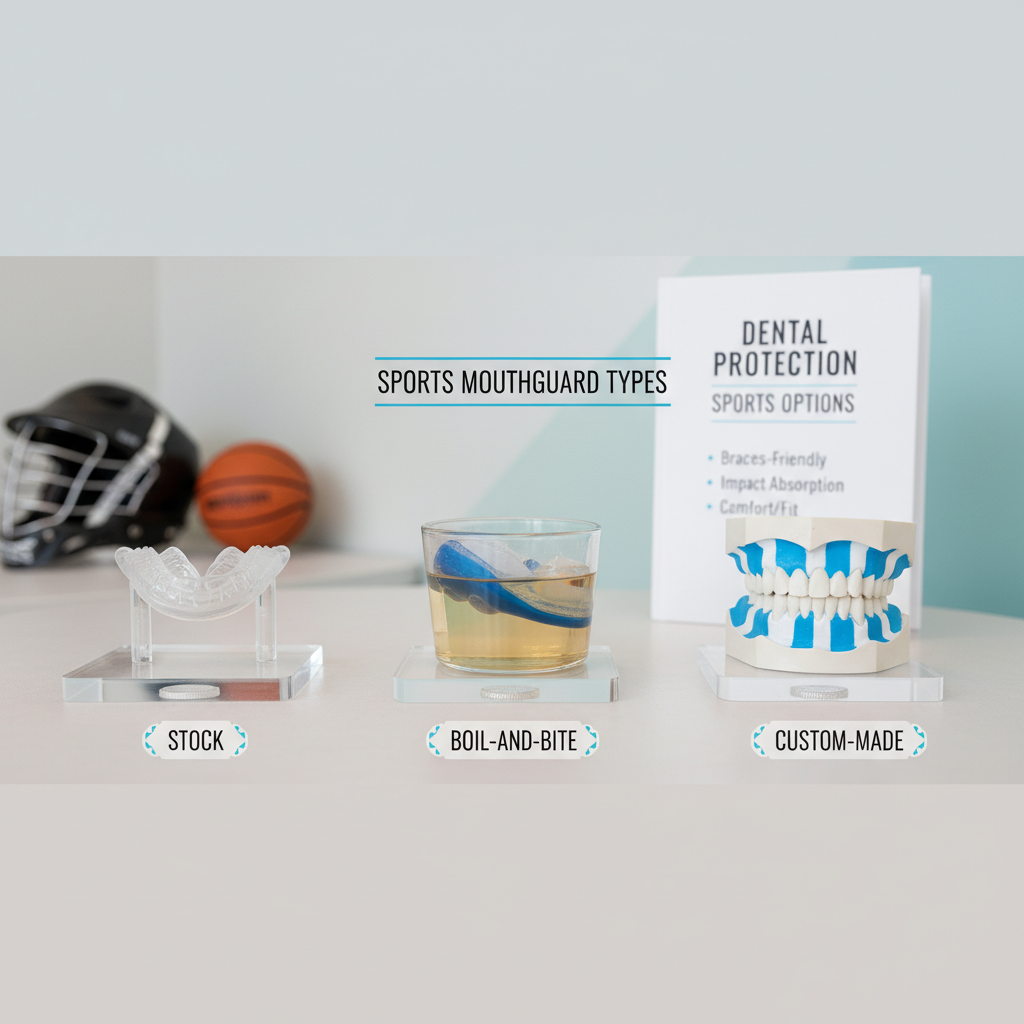
The National Youth Sports Safety Foundation reports that athletes are 60 times more likely to sustain dental trauma when not wearing a mouth protector. Three primary types of athletic mouth protection exist, each offering different levels of oral trauma prevention.
Custom mouthguards are fabricated by a dental professional using impressions of your child’s upper teeth and lower teeth. These devices, typically made from EVA material or medical-grade polyvinyl, provide superior impact protection teeth and cost $150-$500.
Boil-and-bite mouthguards use thermoplastic material that softens in hot water, allowing custom fitting at home. These semi-custom dental guards cost $15-$50 and offer moderate protection for youth sports safety.
Stock mouthguards are pre-formed, ready-to-wear options costing $5-$15. According to the Academy for Sports Dentistry, stock options provide minimal protection and often interfere with breathing and speech during athletic performance.
Step 1: Assess Your Child’s Sport and Oral Protection Needs
Identify whether your child participates in contact sports, collision sports, or high-impact sports. The American Dental Association categorizes spring season activities by risk level.
High-risk spring sports requiring mandatory mouth guard protection include lacrosse, rugby, wrestling, and field hockey. These activities involve direct player contact and frequent facial injury prevention needs.
Moderate-risk activities like baseball, softball, soccer, basketball, and volleyball benefit from protective dental devices despite not always requiring them. A study published in the Journal of the American Dental Association (2023) found that 39% of sports-related dental injuries in children occur in these sports.
Lower-risk spring sports such as tennis and track and field may not require constant teeth protection, though preventive mouth protection remains advisable during competitive events.
Step 2: Choose the Right Type of Athletic Dental Safety Equipment
Select your mouthguard type based on your child’s age, sport, budget, and existing dental protection needs.
When to Choose a Custom Mouthguard From a Pediatric Dentist
Schedule a mouthguard fitting appointment pediatric dentist consultation if your child:
- Participates in high-impact collision sports like lacrosse or rugby
- Wears braces or other orthodontic appliances
- Has experienced previous dental trauma or tooth fracture
- Requires maximum jaw protection sports equipment
- Competes at travel or elite levels in youth athletics
Custom options from Czarkowski Pediatric Dentistry or similar specialists provide superior bite alignment and teeth alignment accommodation. The fabrication process takes 1-2 weeks following the initial impression appointment.
When Boil-and-Bite Options Provide Adequate Youth Dental Protection
A quality boil and bite mouthguard suffices for children who:
- Play moderate-risk sports like basketball or soccer
- Have no orthodontic work complications
- Need a cost-effective multi-sport mouthguard for children
- Require quick replacement due to growth or wear
Step 3: Obtain Professional Fitting or Complete Proper At-Home Boil-and-Bite Fitting
Custom Mouthguard Professional Fitting Process
During your appointment with an orthodontist or sports dentist, expect the following 30-minute process:
- The dental professional examines your child’s oral health and discusses sport-specific needs
- Impressions of upper teeth and lower teeth are taken using dental putty or digital scanning
- The laboratory fabricates the custom-fitted dental guard in 7-14 days
- A follow-up fitting ensures proper bite guard placement and comfort
- Adjustments are made for optimal protective gear function
Boil-and-Bite Mouthguard Home Fitting Instructions
Follow these steps for proper mouth guard fitting at home (15-20 minutes):
- Boil water in a pot large enough to submerge the athletic mouthpiece
- Remove water from heat and submerge the gum shield for 60-90 seconds (check manufacturer instructions)
- Remove the tooth protector with tongs and shake off excess water
- Allow 2-3 seconds of cooling, then place in your child’s mouth
- Have your child bite down firmly while pressing the material against teeth with fingers and tongue
- Maintain pressure for 20 seconds while the thermoplastic cools and forms
- Remove and place in cold water for 1-2 minutes to set the shape
- Test the fit—the sports guard should stay in place without being held
Step 4: Test Fit and Comfort for Athletic Oral Protection
A properly fitted protective mouthpiece must meet these criteria verified by the American Dental Association:
- Retention: The dental mouthpiece stays in place when your child opens their mouth without holding it
- Breathing: Your child can breathe normally during physical activity
- Speech: Basic communication remains possible while wearing the oral protector
- Comfort: No sharp edges cause irritation to gums or cheeks
- Coverage: All teeth protection extends to at least the second molar
- Thickness: Minimum 3-4mm of EVA material provides adequate impact-absorbing mouthguard function
Have your child perform jumping jacks, run in place, and practice sport-specific movements while wearing the sports mouthguard. The device should remain secure without causing discomfort during these athletic performance simulations.
Step 5: Establish Cleaning and Maintaining Child’s Sports Mouthguard Routine
Proper maintenance prevents bacterial growth and extends the lifespan of your child’s mouth protector children use during the spring season.
Daily Cleaning Protocol for Dental Sports Equipment
- Rinse the athletic mouth guard with cool water immediately after each use
- Brush the protective dental device with a soft toothbrush and mild soap
- Rinse thoroughly with cool water (avoid hot water which can warp thermoplastic materials)
- Allow air drying in a ventilated protective gear container
- Store in a rigid, perforated case away from heat and direct sunlight
Weekly Deep Cleaning for Youth Sports Mouthguard Maintenance
Once weekly during active spring athletics safety season, soak the dental guard in antimicrobial mouthwash for 30 minutes or use a denture cleaning tablet solution. This prevents bacteria accumulation that causes odor and potential oral health issues.
Step 6: Monitor and Replace When Needed for Continued Dental Trauma Prevention
According to the Academy for Sports Dentistry, youth mouthguards require replacement every 6-12 months or sooner if signs of wear appear.
Replace your child’s mouth guard immediately if you observe:
- Tears, holes, or thin spots in the dental appliance sports material
- Loss of shape or poor retention during activity
- Rough or sharp edges causing mouth irritation
- Growth changes—the children’s mouthguard no longer fits properly
- Changes in orthodontic appliances or completion of braces treatment
- Visible discoloration or persistent odor despite cleaning
Children ages 7-14 experiencing rapid dental development may need replacement every 4-6 months to accommodate growth and maintain proper dental protection sports function.
Troubleshooting Common Youth Sports Dentistry Issues
If the Mouthguard Causes Gagging or Discomfort
Trim excess material from the back edge of the sports guard using sharp scissors. The device should not extend beyond the second molar. For custom mouthguards, contact your orthodontist for professional adjustment.
If Your Child Complains of Breathing Difficulty
A breathable mouthguard for child athletes should not obstruct airways. If a boil and bite option restricts breathing, re-mold following the manufacturer’s instructions. For persistent issues, invest in a custom dental guard designed for optimal airflow.
If the Protective Mouthpiece Keeps Falling Out
An improperly fitted dental mouthpiece provides inadequate oral injury prevention. Re-mold boil-and-bite mouthguards or schedule a dentist mouthguard fitting appointment for professional adjustment. A properly fitted device requires no conscious effort to retain.
If Your Child Refuses to Wear the Gum Shield
Involve your child in selecting colors or designs for their athletic mouthpiece. Explain the consequences of avulsed tooth injuries, broken tooth damage, and jaw injury risks. Consider investing in a speech-friendly mouthguard for kids sports that improves comfort and compliance.
Special Considerations: Orthodontic Mouthguard for Spring Sports and Braces Protection
Children wearing braces or other orthodontic appliances face increased risk of oral trauma and require specialized protecting orthodontic work during sports solutions.
An orthodontic protection sports mouthguard must:
- Cover both upper teeth and lower teeth brackets completely
- Use softer, shock-absorbing EVA material to prevent bracket damage
- Accommodate wire adjustments through flexible design
- Protect against lip injury and soft tissue damage from metal brackets
The American Association of Orthodontists recommends custom mouthguards for all athletes with braces participating in contact sports or collision sports. These specialized devices cost $200-$500 but prevent thousands in potential emergency dentistry costs and protect expensive orthodontic investments.
When fitting mouthguard over braces for sports, expect replacement every 4-6 months as tooth positions change during treatment. Discuss dental insurance coverage custom mouthguard benefits with your provider, as many plans cover orthodontic sports protection devices.
Understanding Mouthguards and Concussion Prevention Benefits
While primarily designed for dental injury prevention and tooth injury prevention, research on how mouthguards prevent concussions in kids shows promising results. A 2024 study in the Journal of Athletic Training found that properly fitted protective athletic gear may reduce concussion risk by 20-30% by absorbing impact forces that would otherwise transmit to the jaw and skull.
The protective mechanism works through shock absorption and jaw stabilization during impact, though mouthguards should never replace proper helmet and face guard usage in appropriate sports.
Next Steps: Ongoing Youth Athlete Protection and Preventive Care
After completing this 6-step process, maintain your child’s dental safety equipment through these ongoing practices:
- Schedule biannual pediatric dentist checkups to monitor oral health and preventive care needs
- Keep emergency contact information for emergency dentistry and sports injury dentistry specialists
- Learn what to do if child’s tooth gets knocked out—rinse gently, reinsert if possible, or store in milk, and seek immediate care
- Replace the youth sports mouthguard according to the timeline established (every 6-12 months)
- Monitor for signs of teeth grinding protection needs if your child clenches during sleep
- Update protection as your child transitions between sports seasons or advances to higher competition levels
- Educate your child about recognizing symptoms of dental trauma, tooth trauma, or jaw injury
Proper athletic dental safety practices established during the spring sports season create lifelong habits that protect your child’s smile through years of youth sports participation. By investing time in proper selection, fitting, and maintenance of sports safety equipment, you significantly reduce the risk of painful, costly, and potentially permanent sports-related dental injuries in children.