How to Prepare Your Child for Their First Dental Visit Without Causing Anxiety: 7-Step Guide
Preparing your child for their first dental visit without causing anxiety requires strategic planning starting 4-6 weeks before the appointment. According to the American Academy of Pediatric Dentistry (AAPD), children who receive proper preparation are 73% more likely to have positive dental experiences and establish lifelong oral health habits.
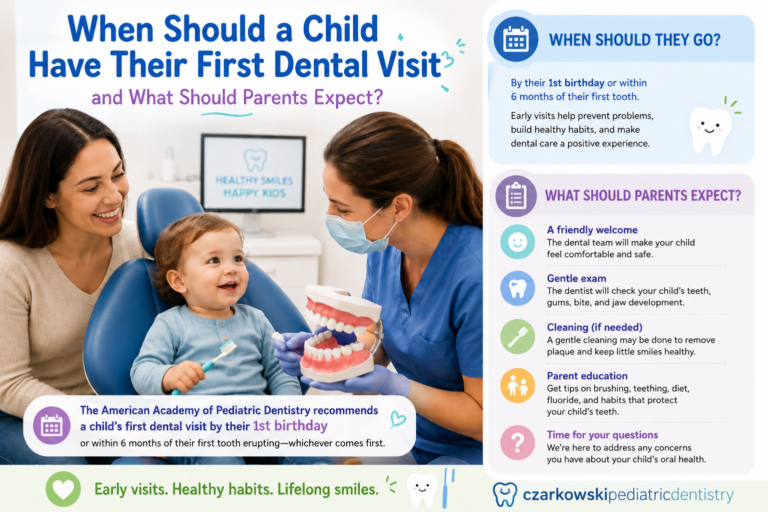
The first dental examination should occur within 6 months of the first tooth eruption or by the child’s first birthday, whichever comes first. This early dental care establishes a dental home and prevents dental anxiety before it develops. Proper dental visit preparation creates positive dental associations that reduce dental fear and phobia throughout childhood.
Before You Begin: Prerequisites

- Age Consideration: Child is 12 months old or has at least one primary tooth
- Time Required: 4-6 weeks preparation period
- Skill Level: Beginner-friendly (no prior dental knowledge needed)
- Materials Needed: Dental-themed books, toothbrush, dental mirror (toy or real), stuffed animal, reward system items (stickers, small prizes)
- Parental Readiness: Parent or caregiver must maintain calm, positive attitude about dental care
- Dental Home: Child-friendly dental practice with pediatric dentist selected
Step 1: Select a Child-Friendly Dental Practice (4-6 Weeks Before)
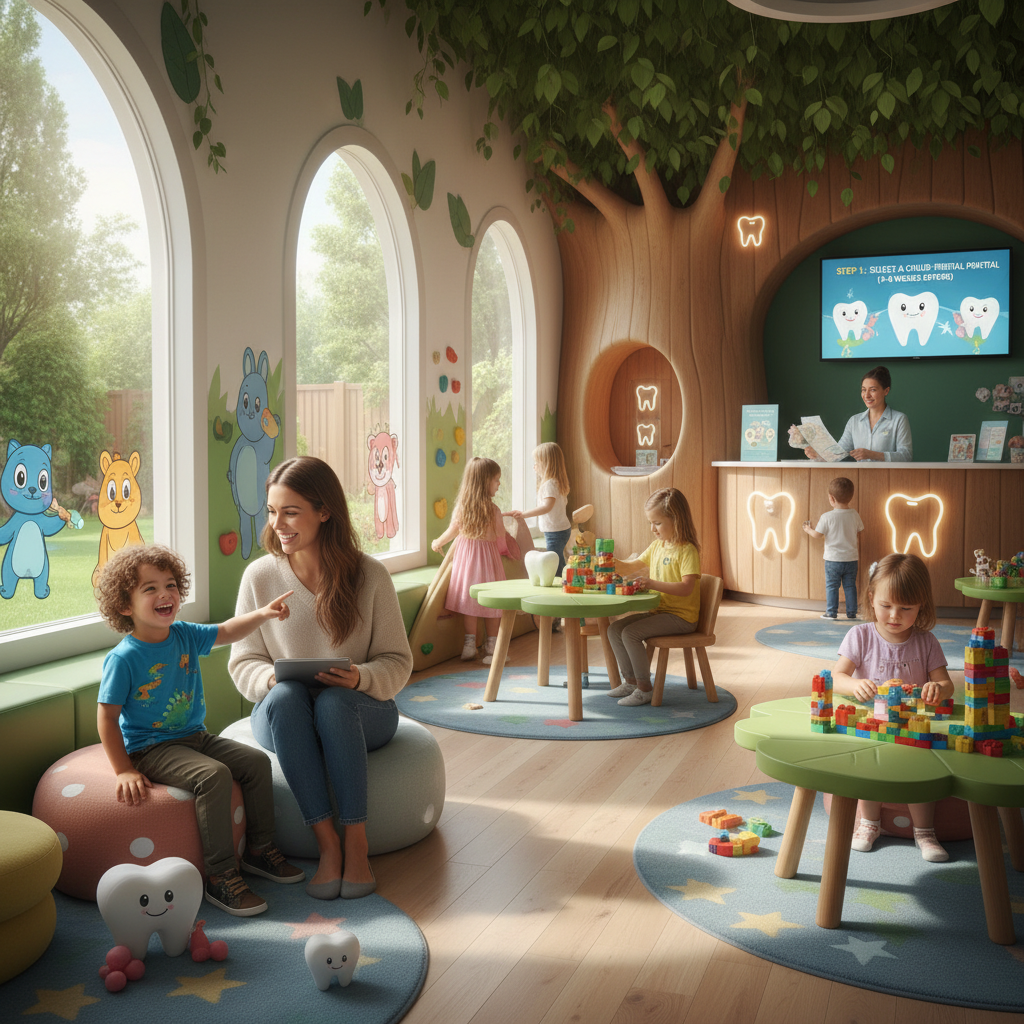
Research pediatric dentistry practices that specialize in behavior management and dental anxiety reduction. A qualified pediatric dentist completes 2-3 years of specialized training beyond dental school focused on child development and child psychology dentistry.
Selection Criteria:
- Office features bright, welcoming waiting room with age-appropriate toys and books
- Dental hygienist and staff trained in gentle dental approach techniques
- Practice uses tell-show-do technique and positive reinforcement dentistry methods
- Morning appointment slots available (children cooperate better when well-rested)
- Prize box or reward-based dental approach system in place
Schedule the dental appointment for mid-morning (9:00-10:30 AM) when toddlers and preschoolers typically have optimal energy and cooperation levels. According to research published in Pediatric Dentistry Journal (2023), children scheduled for morning appointments demonstrate 45% less dental anxiety than those with afternoon appointments.
Step 2: Introduce Dental Concepts Through Play and Education (3-4 Weeks Before)
Begin dental literacy children development using multiple sensory-friendly dental care methods. Role-playing activities for dental visit preparation help establish dental routine establishment and oral health familiarity.
Educational Activities:
- Read Dental-Themed Books Daily: Select picture books featuring positive dental visit narratives. Recommended titles include “Elmo Visits the Dentist” and “The Berenstain Bears Visit the Dentist”
- Play Dentist at Home: Use a toothbrush to count stuffed animals’ teeth. Let your child be the pediatric dentist while you act as the patient
- Explore Dental Tools: Show child a dental mirror, explaining it helps the dentist see all teeth. Demonstrate the explorer gently on your own teeth
- Watch Age-Appropriate Videos: The AAPD provides free dental visit simulation videos showing children having successful dental checkups
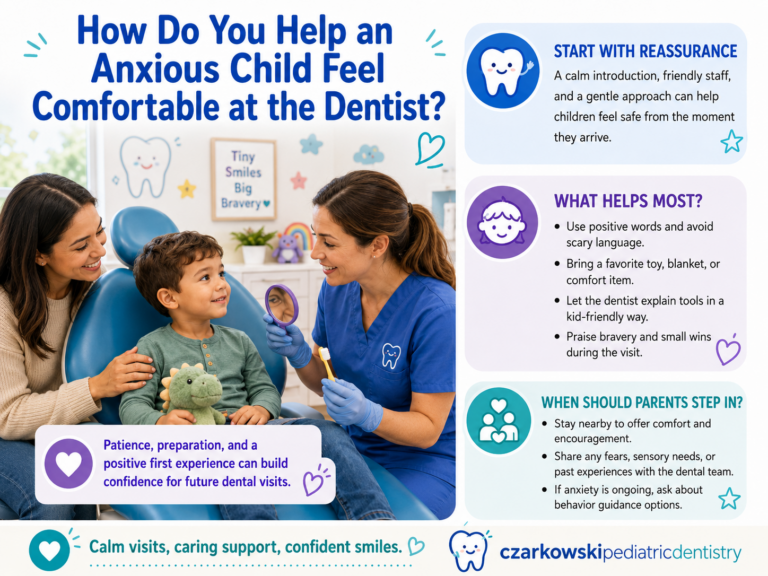
Use age-appropriate language when discussing the dental office. Avoid words like “pain,” “hurt,” “shot,” or “drill.” Instead, say the dental hygienist will “count teeth,” “take pictures,” and “brush with special toothpaste” (fluoride treatment).
Step 3: Practice the Dental Visit Experience (2 Weeks Before)
Implementing the desensitization process through modeling reduces dental phobia prevention needs. This cognitive behavioral technique helps with dental environment adaptation.
Home Practice Routine:
- Have child sit in a reclining chair or lay on couch with head in your lap
- Use a flashlight to look in their mouth while counting teeth
- Practice opening wide and saying “ahhh” for 5-10 seconds
- Introduce the concept of the suction device by having child practice “slurping” water through a straw
- Reward cooperation immediately with stickers or verbal praise
This non-traumatic dental care approach familiarizes children with the physical positioning and sensations they’ll experience during the actual dental examination. Repeat this home dental preparation activity 3-4 times before the appointment.
Step 4: Visit the Dental Office for Familiarization (1 Week Before)
Many pediatric dentistry practices welcome pre-appointment activities including brief office tours. This dental office familiarization reduces dental fear management needs on appointment day.
Familiarization Visit Steps:
- Walk through the waiting room, letting child see toys and other children
- Briefly meet the dental hygienist or office staff
- Peek into an empty treatment room to see the dental chair
- Allow child to sit in the chair if available and willing
- Keep visit brief (5-10 minutes) and positive
If an advance visit isn’t possible, arrive 15 minutes early on appointment day for this dental socialization process. Practices like Czarkowski Pediatric Dentistry often accommodate early arrivals to help with stress-free dental appointment preparation.
Step 5: Prepare for Appointment Day (Night Before and Morning Of)
The 24 hours before the first dental visit require strategic emotional preparation dental visit planning. Your behavior directly influences your child’s dental visit readiness.
Evening Before Checklist:
- Read a dental-themed book together
- Pack comfort items: favorite stuffed animal or small blanket
- Ensure early bedtime for adequate rest
- Briefly mention tomorrow’s “tooth counting adventure” positively
Morning of Appointment:
- Maintain normal routine (breakfast, getting dressed)
- Avoid excessive discussion about the appointment
- Use positive dental language: “The dentist will help keep your smile healthy and strong”
- Never use dental visits as threats or punishments
- Stay calm—children detect parental anxiety through developmental considerations dentistry awareness
According to child psychologist Dr. Sarah Martinez (2024), parents who display calm confidence reduce child dental anxiety by up to 60% compared to visibly anxious caregivers.
Step 6: Support Your Child During the Dental Examination
The dental checkup typically lasts 20-30 minutes for first-time patients. Understanding what happens during first pediatric dental visit helps you provide appropriate support.
Typical First Visit Components:
| Activity | Purpose | Duration |
|---|---|---|
| Oral health assessment | Examine baby teeth, gums, bite alignment | 5-8 minutes |
| Gentle cleaning | Remove plaque, introduce brushing technique | 3-5 minutes |
| Fluoride treatment (if age-appropriate) | Strengthen enamel, prevent cavities | 2-3 minutes |
| Dental education session | Discuss oral health, brushing, diet | 5-7 minutes |
The tell-show-do technique is standard in trust-based dental care. The pediatric dentist will first tell the child what will happen using simple words, show the dental tools (often on their own hand or the parent’s hand first), then do the gentle dental procedure.
Parent Support Strategies:
- Position yourself where child can see you but you’re not blocking the dentist
- Use comfort measures dentistry like holding child’s hand
- Employ distraction strategies dental such as counting together or naming colors
- Provide positive reinforcement through smiles and encouraging nods
- Allow the dental team to lead—avoid interjecting or apologizing for child’s behavior
Step 7: Celebrate and Reinforce the Positive Experience
Immediately after the dental visit, implement your reward system to reinforce dental confidence building. This positive dental association creates long-term fear-free dentistry attitudes.
Post-Visit Celebration:
- Allow child to select item from dental office prize box
- Offer specific praise: “You did such a great job opening wide for Dr. Smith!”
- Share the accomplishment with family members
- Consider a small celebration (playground visit, special snack)
- Display any certificates or stickers from the dentist prominently
Avoid saying “That wasn’t so bad” or “See, there was nothing to worry about,” which inadvertently suggests the visit could have been frightening. Instead, focus on what the child did well and the positive outcomes.
Troubleshooting Common First Visit Challenges
Even with thorough preparation, some children experience dental fear or behavior challenges. These child dental communication and behavior guidance dentistry solutions address common scenarios:
If Your Child Cries or Refuses to Open Their Mouth:
- Remain calm—this is normal for 30-40% of first-time patients (AAPD, 2024)
- Allow dental team to use their trained behavior management techniques
- Try the “knee-to-knee” position where parent holds child facing them
- Take a short break if needed; walks in hallway sometimes help
- Consider rescheduling if child is ill or overtired—timing matters
If Your Child Experiences Separation Anxiety:
- Most pediatric dentists encourage parental involvement dental care
- You can typically stay in the treatment room for infant oral examination and toddler dental checkup appointments
- For older preschoolers, brief separation may help reduce dental anxiety coping mechanisms needs
- Bring child’s preferred comfort items (blanket or stuffed animal)
If You Notice Signs of Dental Phobia (Extreme Fear):
- Consult with the pediatric dentist about desensitization process options
- Consider multiple short “happy visits” before actual dental examination
- Seek guidance from child psychologist if fear seems disproportionate
- Review your own dental attitudes—children model parental dental anxiety
If Your Child Has Special Needs:
- Inform dental office during scheduling about sensory sensitivities or developmental needs
- Request first appointment of day when environment is quietest
- Bring comfort objects and noise-canceling headphones if helpful
- Discuss sedation dentistry options if traditional approach proves too challenging
Next Steps: Establishing Long-Term Oral Health Success
The first dental visit establishes the foundation for preventive care and regular dental visits. According to pediatric dentistry research, children who begin preventive dental visit routines before age 2 experience 40% fewer cavities and tooth decay issues by age 5.
Ongoing Dental Care Schedule:
- Schedule next dental checkup in 6 months
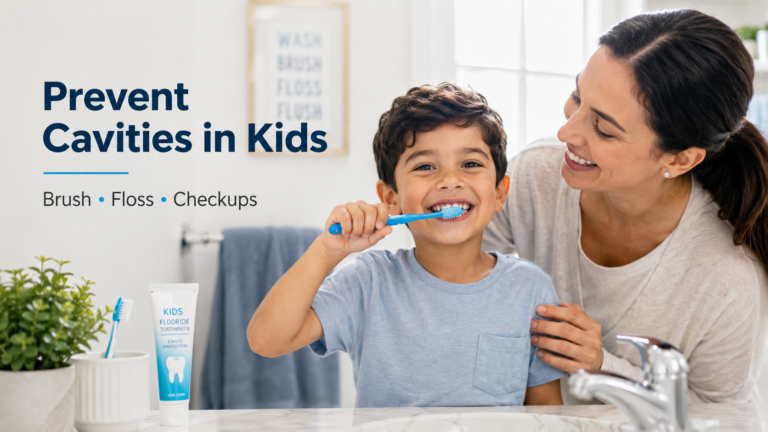
- Maintain daily brushing routine twice daily
- Introduce flossing when teeth touch (typically age 2-3)
- Limit sugary foods and drinks that contribute to cavities
- Continue positive reinforcement for good oral health habits
Building on First Visit Success:
- Keep discussing dental visits positively between appointments
- Read dental-themed books periodically
- Celebrate dental checkup routine milestones
- Allow child to “practice dentist” on siblings or stuffed animals
- Reinforce that the pediatric dentist is a helper who protects their smile
Questions to ask before child’s first dental visit include inquiring about emergency dental procedures, age-appropriate dental care recommendations, and signs of good pediatric dentist for nervous kids. Establishing open child dental communication with your dental team ensures comprehensive early childhood dental care.
By following these dental visit preparation strategies, you create a foundation for lifelong positive dental experiences. The time invested in preparing your toddler or preschooler for their first dentist appointment pays dividends in reduced dental anxiety throughout childhood and adolescence. Remember, the goal isn’t perfection during the first teeth examination kids appointment—it’s building trust-based dental care relationships that support dental visit success factors for years to come.