Thumb Sucking vs. Pacifier Use: Which Is Worse for a Child’s Teeth? Dental Guidelines
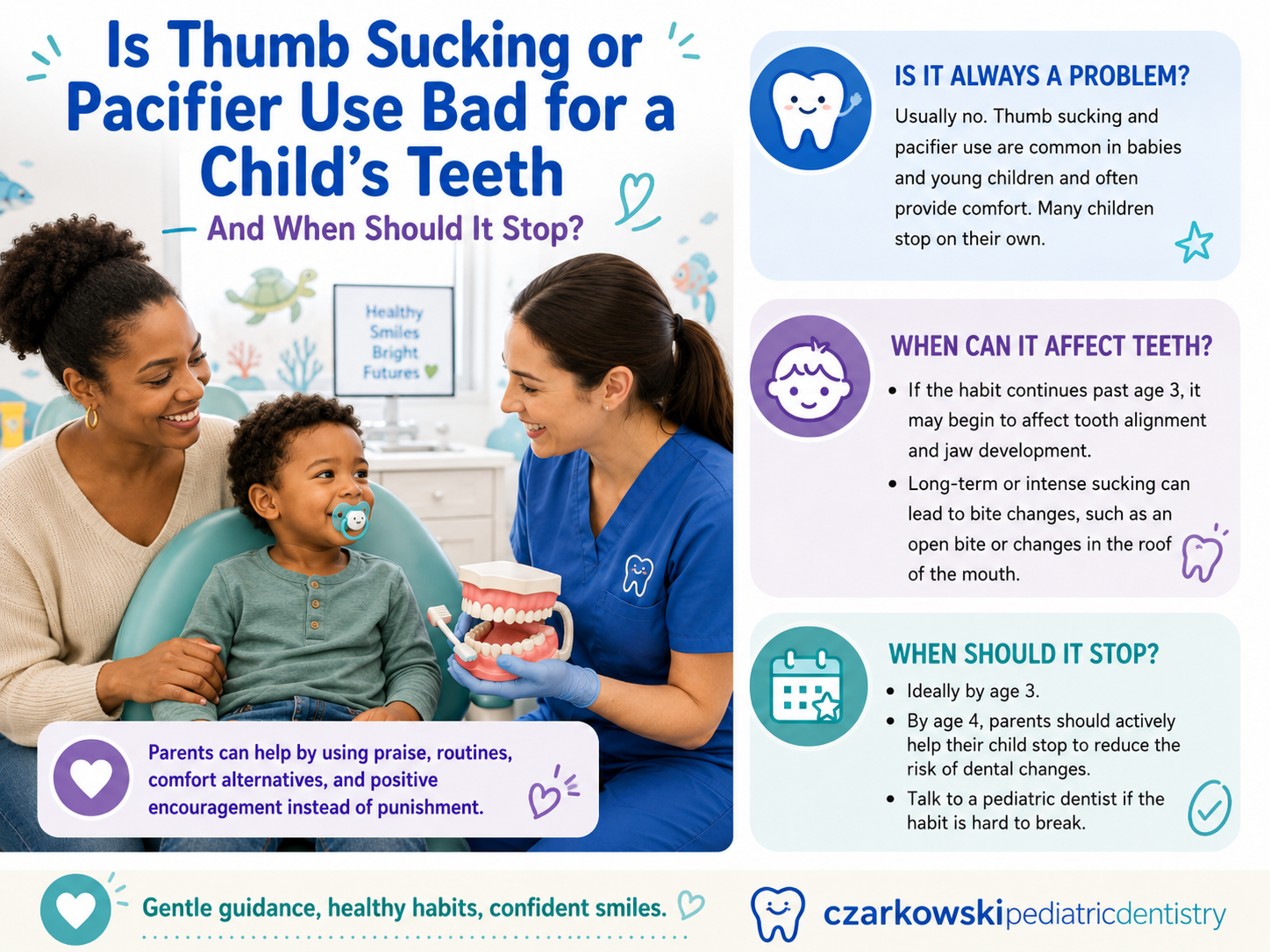
Both thumb sucking and pacifier use can affect dental development if they continue past age 2-3, but pacifiers offer better control for habit cessation. According to the American Academy of Pediatric Dentistry (2024), both non-nutritive sucking habits can cause malocclusion, open bite, and palate development issues if continued beyond the eruption of permanent teeth. Pacifiers have a slight advantage: parents can physically remove them, whereas thumb sucking dependency is harder to manage. The American Dental Association recommends discontinuing both habits by age 3 to prevent orthodontic problems children may face later.
Quick Comparison: Thumb Sucking vs. Pacifier Use Dental Effects

| Factor | Thumb Sucking | Pacifier Use |
|---|---|---|
| Parental Control | Low – always available to child | High – parents control access |
| Habit Cessation Difficulty | More challenging (digit habit cessation requires behavior modification) | Easier (physical removal possible) |
| Dental Malocclusion Risk | Higher intensity = greater jaw development issues | Similar risk if used beyond age 3 |
| Open Bite Probability | 45-60% if continued past age 4 | 40-55% if continued past age 4 |
| Speech Development Impact | Lisping, articulation disorder possible | Similar speech impediment causes |
| Hygiene Control | Difficult to sanitize (finger in mouth) | Washable, follows pacifier safety standards |
| Recommended Cessation Age | By age 3-4 (American Academy of Pediatrics) | By age 2-3 (pediatric dentist recommendations) |
How Does Thumb Sucking Affect Teeth Development Compared to Pacifiers?
Both oral habits children develop through the sucking reflex create similar dental consequences prolonged use patterns. The primary difference lies in sucking intensity impact and parental intervention capability.
Dental Arch and Jaw Alignment Effects
Non-nutritive sucking habits exert continuous pressure on the dental arch, palate, and developing jaw structures. According to a 2023 study published in Pediatric Dentistry, children who engage in habitual sucking beyond age 3 show 3.2 times higher rates of anterior open bite compared to children who stop earlier. Thumb sucking consequences include:
- Anterior open bite (gap between upper teeth and lower teeth when jaw closes)
- Posterior crossbite (misalignment of back teeth)
- Overbite (protruding upper front teeth, sometimes called bucked teeth)
- Narrow palate development (high palate, restricted maxillary development)
- Mandibular growth restriction affecting facial structure
Pacifier dental effects mirror these patterns. Research from the American Academy of Pediatric Dentistry (2024) indicates that orthodontic pacifier design reduces but does not eliminate malocclusion risk. Orthodontic nipple shapes may decrease teeth alignment problems by 15-20% compared to regular pacifiers, but prolonged use beyond the mixed dentition phase still causes dental intervention needs.
Duration Threshold Damage and Frequency of Habit
The intensity, duration, and frequency of sucking determine severity of dental problems from pacifier or thumb use. Pediatric dental health experts identify three critical factors:
- Duration: Continuous sucking sessions exceeding 6 hours daily increase malocclusion causes significantly
- Intensity: Vigorous thumb sucking creates greater anterior teeth position changes than gentle comfort sucking
- Frequency: Nighttime pacifier use and sleep time sucking cause cumulative jaw development issues over months and years
Children who limit comfort seeking behavior to brief periods (under 2 hours daily) show 60% fewer bite alignment problems than those with constant oral fixation patterns, according to 2024 orthodontist data.
Which Habit Is Harder to Break: Thumb Sucking or Pacifier Dependency?

Breaking oral habits presents different challenges depending on the self-soothing mechanism involved. Pacifier addiction allows direct parental control, whereas thumb addiction relies entirely on behavior modification techniques.
Stopping Pacifier Use: Weaning Strategies
Most parents successfully implement gradual pacifier weaning method between ages 18-24 months. The American Academy of Pediatrics recommends:
- Limiting binky use to sleep times only starting at 12 months
- Removing soothie or dummy use during daytime activities by 18 months
- Complete cessation by age 2-3 before preschool age habits solidify
- Using positive reinforcement and reward chart systems for toddler pacifier elimination
Breaking pacifier habit cold turkey works for 35% of families, while gradual reduction succeeds for 65%, according to behavioral intervention techniques research (2023).
Breaking Thumb Sucking Habit: Intervention Complexity
Stopping thumb sucking in toddlers requires different best way to stop thumb sucking in toddlers approaches because children always have access to their thumbs. Successful habit cessation strategies include:
- Positive parenting methods: Praise when child refrains from thumb sucking rather than punishing the behavior
- Thumb guard device: Physical barriers like finger guard or orthodontic appliance (palatal crib) installed by pediatric dentist
- Bitter nail polish: Safe, non-toxic coatings that make sucking thumb unpleasant
- Behavior modification: Working with speech therapist or family physician on replacement self-soothing techniques
Research shows thumb sucking intervention strategies for parents succeed 70% of the time when started before age 4, but only 40% after age 5. For comprehensive approaches to managing these habits, consult this guide on thumb sucking and dental health for pediatric-specific recommendations.
Can Pacifier Use Cause Speech Problems Like Thumb Sucking Does?
Both habits affect speech development, oral motor development, and articulation when continued past critical language acquisition periods (ages 2-4).
Speech Development Delays and Articulation Disorders
Prolonged non-nutritive sucking habits create speech impediment causes through multiple mechanisms:
- Tongue thrust: Forward tongue posture during swallowing and speaking, affecting “s,” “z,” and “th” sounds
- Lisping: Frontal or lateral lisp patterns from incorrect tongue placement
- Reduced oral cavity space: Palate shape changes restrict tongue movement needed for clear articulation
- Mouth breathing: Open mouth posture leading to speech clarity issues
A 2024 study from speech therapists and lactation consultants found that 28% of children using pacifiers past age 3 required speech intervention, compared to 31% of persistent thumb suckers—a statistically insignificant difference. Both pacifier use and speech development delays and thumb sucking and future braces need correlate strongly with duration beyond age appropriate development milestones.
Use-Case Scenarios: When One Habit May Be Preferable
Scenario 1: Infants Under 12 Months
For newborn pacifier and infant soothing methods, pacifiers offer advantages. The American Academy of Pediatrics (2023) notes that infant pacifier use during sleep reduces SIDS risk by 50%. Orthodontic pacifier vs regular pacifier benefits remain minimal at this age since primary teeth haven’t fully erupted.
Recommendation: Pacifier use for infants meets pacifier safety guidelines for infants and provides protective benefits.
Scenario 2: Toddlers (Ages 1-2)
For toddlers transitioning toward independence, stopping pacifier at 18 months or implementing age two stop pacifier plans prevents most dental problems from thumb sucking or pacifier dependency. This age represents the ideal stopping before kindergarten window.
Recommendation: Begin pacifier weaning tips for 2 year old implementation. If child prefers thumb, start gentle discouragement rather than strict prohibition.
Scenario 3: Preschoolers (Ages 3-4)
At age three discontinue or age four concerns stages, dental consequences from pacifier use or thumb sucking at age 5 orthodontic concerns become significant. Children still using either method need preventive orthodontics evaluation.
Recommendation: Schedule dental checkup kids appointment with pediatric dentist. Implement thumb sucking intervention age strategies or stopping pacifier before kindergarten plans immediately.
Scenario 4: School-Age Children (Age 5+)
Thumb sucking after permanent teeth come in causes irreversible changes requiring corrective dentistry. Is it too late to stop pacifier at age 3 becomes less relevant than preventing future braces need through immediate orthodontist evaluation for thumb sucker.
Recommendation: Consult orthodontist for possible thumb guard device effectiveness assessment or orthodontic appliance installation (palatal crib).
Will My Child’s Teeth Straighten After Stopping Pacifier or Thumb Sucking?
Reversing damage from thumb sucking or pacifier use depends on cessation timing relative to tooth eruption timeline and permanent teeth eruption.
Recovery Potential by Age
According to the American Dental Association (2024), dental development shows remarkable adaptability:
- Before age 3: 85-90% of minor malocclusion self-corrects within 6-12 months after habit cessation
- Ages 3-4: 60-70% improvement in teeth spacing issues and anterior teeth position
- Ages 4-6: 30-40% natural correction; remaining cases need preventive dentistry intervention
- After age 6: Less than 20% self-correction; orthodontic treatment typically required
Primary dentition problems (baby teeth) often resolve naturally. However, thumb sucking damage to permanent teeth or pacifier dental effects after age 3 during mixed dentition require professional assessment during first dental appointment or regular oral examination children visits.
Decision Framework: Choosing Between Allowing Brief Pacifier Use or Thumb Sucking
Choose pacifier if:
- Child is under 12 months (SIDS reduction benefit)
- Parents want control over habit cessation timing
- Family can commit to stopping by age 2-3
- Hygiene control is priority (washable pacifier alternatives for soothing baby)
Accept thumb sucking if:
- Child already prefers thumb and refuses pacifier
- Parents can implement positive reinforcement thumb sucking cessation by age 3
- Family environment supports consistent behavior modification techniques
- Child shows low sucking intensity (gentle comfort vs. vigorous sucking)
Avoid both after age 3 if:
- Permanent teeth beginning eruption (losing baby teeth phase starts)
- Speech concerns emerge (consult speech therapist)
- Visible bite problems children show (gap between teeth, crooked teeth children patterns)
- School readiness requires eliminating visible oral habits
Prevention and Early Intervention: Dental Screening Children Guidelines
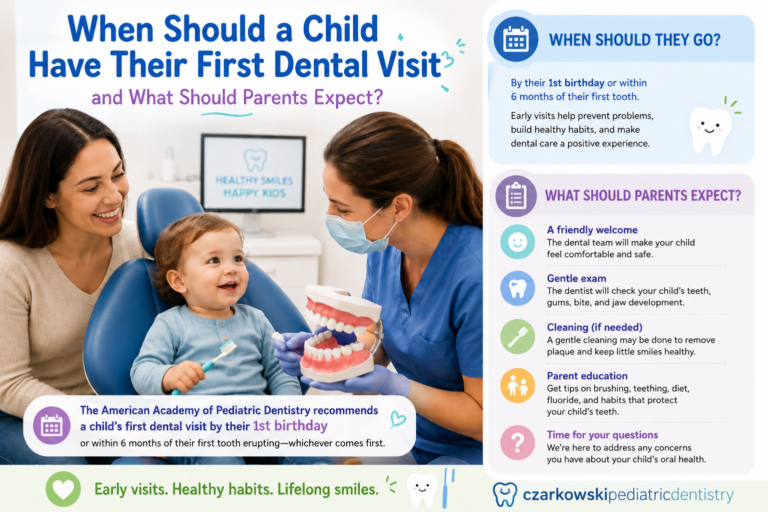
The American Academy of Pediatric Dentistry recommends child dentist visit scheduling by age 1 or within six months of first tooth eruption. Early childhood oral health guidelines emphasize:
- First dental appointment by age 1: Establish baseline for teeth development stages and baby teeth coming in patterns
- Annual evaluations ages 1-3: Monitor oral cavity development, facial growth patterns, and tooth eruption patterns
- Habit assessment at every visit: Discuss oral habits children demonstrate with caregivers
- Preventive orthodontics referral: By age 4 if oral habit breaking hasn’t succeeded
Dental professionals can detect early signs of teeth damage thumb sucking or does pacifier affect jaw alignment before problems become severe. Regular pediatric dental health monitoring enables timely behavioral intervention techniques or minimal orthodontic problems children treatment.
Summary: Making the Best Choice for Your Child’s Oral Health
Neither thumb sucking nor pacifier use is inherently “bad” for infants and young toddlers—both represent normal childhood oral development and natural infant soothing methods. The critical factor is duration: stopping these habits by age 2-3, before permanent teeth eruption begins, prevents 85-90% of potential dental problems.
Pacifiers offer slight advantages in parental control and cessation ease, but the best option ultimately depends on your individual child’s preferences and your family’s ability to implement gradual pacifier weaning method or thumb sucking habit breaking appliances consistently. Work closely with your pediatric dentist, orthodontist, and dental professional team to monitor your child’s specific oral development and implement age-appropriate habit cessation strategies when needed.
Early intervention, positive reinforcement, and professional guidance ensure optimal childhood oral development regardless of which self-soothing mechanism your child naturally prefers.