How to Protect Kids’ Teeth Through the Holiday Season: 9-Step Guide 2026
Outcome: Parents can protect children’s teeth from Halloween through New Year’s by following a 9-step routine that takes 15–20 minutes per day. Skill level: Beginner. Timeframe: Ongoing from late October through early January.
Holiday candy and cavities go hand in hand without a plan. Between Halloween candy, Christmas cookies, and New Year’s parties, kids face more frequent sugar exposure during the holidays than at almost any other time of year. This guide shows how to protect kids’ teeth during the holidays using dentist-recommended, step-by-step methods. Each step includes specific actions, age guidance, and troubleshooting tips so parents can apply the routine right away.
Before You Begin: Prerequisites
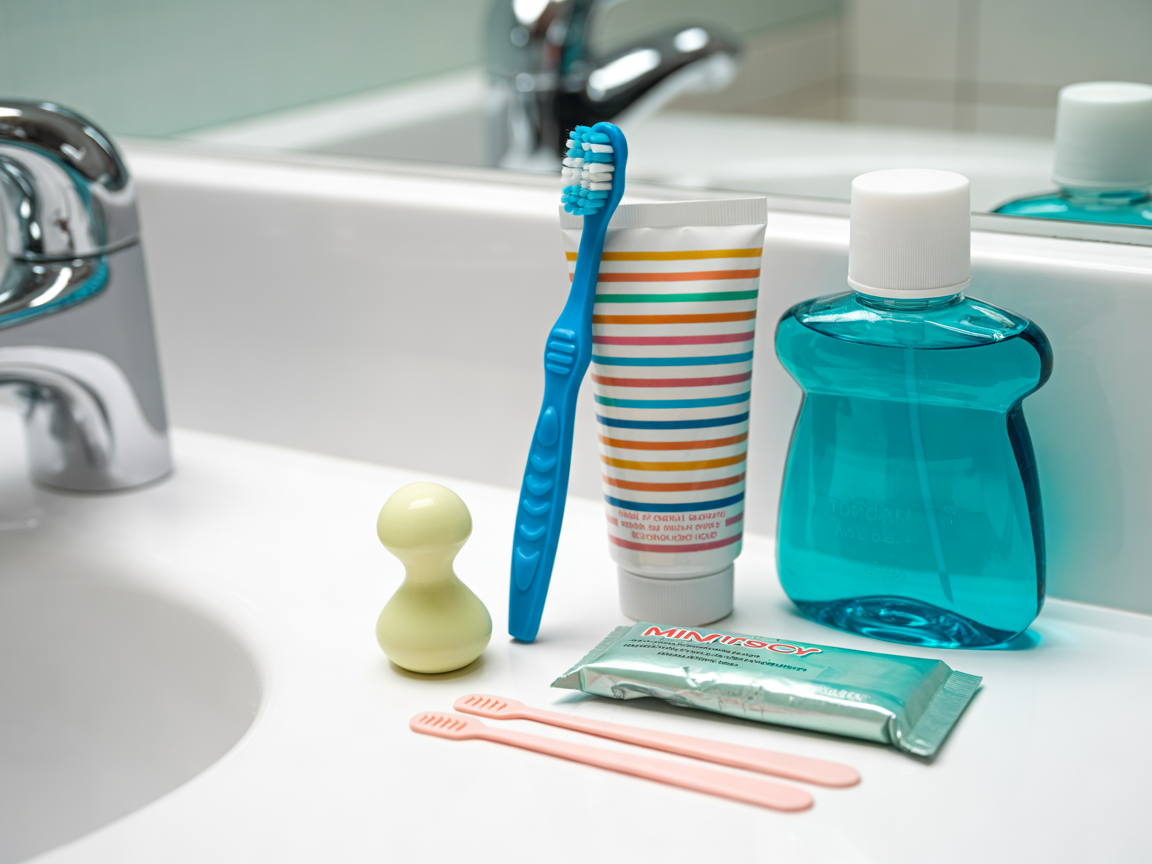
- Supplies needed: Soft-bristled children’s toothbrush, fluoride toothpaste, dental floss or floss picks, alcohol-free fluoride mouthwash, xylitol gum, and a timer or 2-minute brushing app
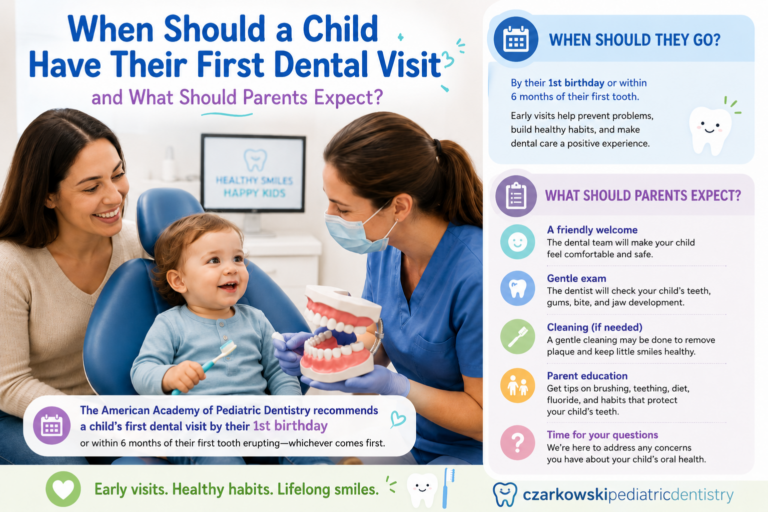
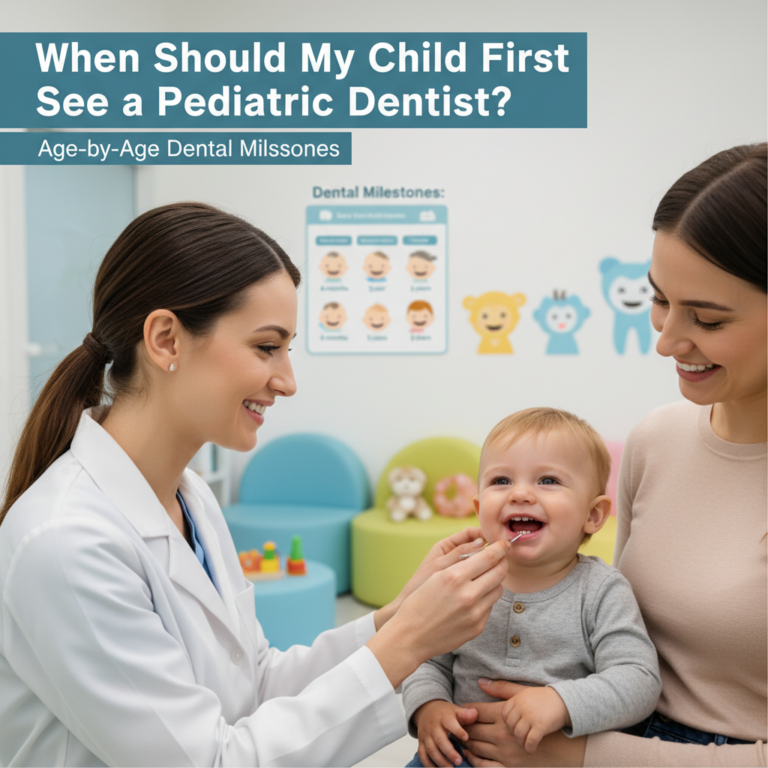
- Baseline check: Schedule a dentist appointment before Halloween to check enamel health and look for existing cavities. A baseline visit also gives the dentist a point of comparison for the January follow-up.
- Knowledge needed: Your child’s current dental hygiene routine and any orthodontic restrictions (braces, retainers, expanders)
- Time commitment: 15–20 minutes daily for brushing, flossing, and treat monitoring, plus 2–3 dentist visits across the season
- Household setup: Designate one storage container for all holiday candy so parents control portions instead of letting treats stay in backpacks or bedrooms
Step 1: Sort Halloween Candy and Christmas Cookies Immediately
Separate holiday treats into categories the night they arrive home. This one action prevents the mindless grazing that leads to tooth decay. Sorting also gives parents a visual inventory, which makes it easier to enforce the daily limit in Step 2.
1a. Identify High-Risk Treats
Sticky candies like caramel and taffy cling to teeth longer than chocolate. Candy canes and hard candies create prolonged sugar exposure because children suck on them for 10–15 minutes at a time. Sour gummy candies carry a double risk: they’re sticky, and their high acidity softens enamel on contact.
1b. Set Aside Tooth-Friendly Holiday Treats
Choose chocolate over sticky options when possible — it clears the mouth faster than caramel or gummy candy. Dark chocolate is an even better pick because it typically contains less added sugar per serving than milk chocolate.
Step 2: Set Daily Sugar Intake Limits
Limiting sugary snacks works best with a concrete number, not vague restrictions. A clear rule removes the daily negotiation that leads to overeating.
2a. Define a Daily Treat Allowance
Many pediatric dentists suggest no more than 2–3 small holiday treats per day for children ages 3–12. For children under 3, limit treats to one small piece and avoid hard candy entirely because of choking risk and prolonged sugar contact.
2b. How Much Candy Is Safe for Kids’ Teeth?
Dentists agree that frequency matters more than quantity — eating 5 small candies at once causes less damage than eating 5 candies spread across the day. Each sugar exposure triggers roughly 20–30 minutes of acid production in the mouth, so spacing treats out multiplies total acid exposure even when the total amount of sugar stays the same.
Step 3: Time Treats With Meals, Not Between Them
Saliva production increases during meals, which naturally helps neutralize acid. Pairing treats with mealtime is one of the simplest changes parents can make without cutting how much candy a child enjoys overall.
3a. Serve Dessert Right After Dinner
This reduces the number of acid attacks compared with snacking throughout the day. A child who eats three candies after dinner experiences one acid cycle; the same three candies eaten at three separate snack times create three acid cycles.
3b. Avoid Sugary Treats at Bedtime
Saliva flow drops during sleep, which lets sugar sit on teeth longer and speeds up decay. If a child does eat something sweet close to bedtime, brushing afterward is non-negotiable — water alone isn’t enough at night.
Step 4: Reinforce the Dental Hygiene Routine Twice Daily
Consistent brushing is one of the most effective cavity-prevention habits parents can teach. Two reliable brushings every day matter more than an occasional extra-thorough session.
4a. Brush for Two Full Minutes
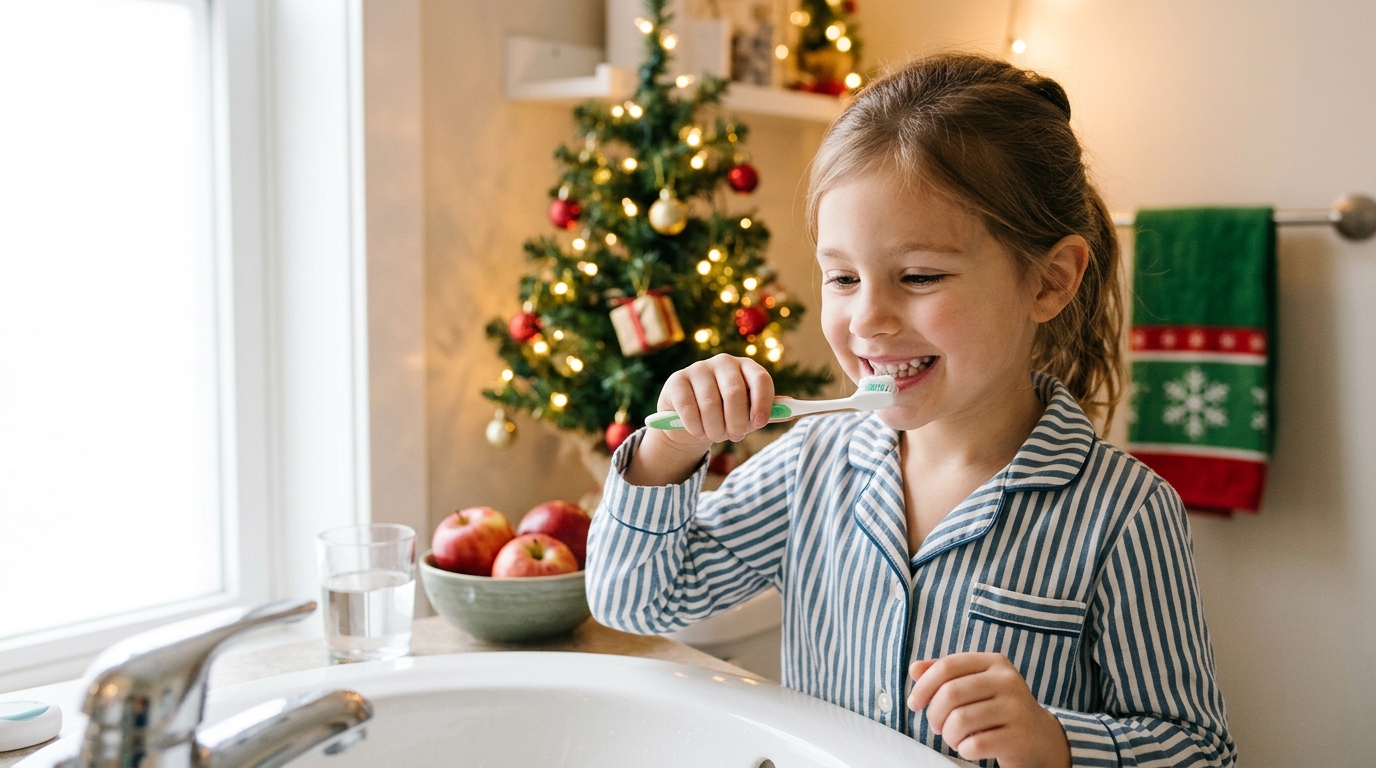
Use fluoride toothpaste and a soft-bristled children’s toothbrush, covering all tooth surfaces. Use a rice-grain-sized smear of toothpaste for children under 3 and a pea-sized amount for children ages 3 and up.
4b. How Often Should Kids Brush Their Teeth During the Holidays?
Children should brush at least twice daily, with an extra brushing after high-sugar events when possible, such as Halloween night or a cookie-decorating party. After sour or acidic candy, have your child rinse with water first and wait about 30 minutes before brushing, since brushing softened enamel can wear it down.
4c. Floss Daily
Flossing removes sugar and food particles trapped between teeth that brushing alone misses. Floss picks are easier for children ages 4–8 to use on their own than traditional string floss.
Step 5: Add Xylitol Gum to the After-Treat Routine
Xylitol gum stimulates saliva and has been shown to reduce cavity-causing bacteria. It’s a practical bridge when brushing right after a treat isn’t realistic, such as at a school party or family gathering.
5a. Choose Gum Appropriate for Your Child’s Age
Only offer gum to children old enough to chew it safely (typically age 5 and up). Look for gum sweetened entirely with xylitol rather than blends that also contain sugars like dextrose.
5b. Chew for 10–15 Minutes After Treats
Chewing boosts saliva flow, which helps clean teeth when brushing isn’t available. Studies on xylitol typically use gum chewed after meals and snacks several times a day. Ask your child’s dentist what amount is right for their age, since too much xylitol can cause stomach upset.
Step 6: Rinse With Water or Mouthwash Between Brushings
Rinsing helps wash away leftover sugar from candy canes and Christmas cookies. It takes seconds and fits easily into car rides home from holiday events.
6a. Encourage Water After Every Treat
Water dilutes sugar and acid on teeth within minutes. Swishing water around the mouth for 10–15 seconds before swallowing rinses better than simply drinking.
6b. Introduce Fluoride Mouthwash for Older Kids
Children ages 6 and up can use an alcohol-free fluoride mouthwash for extra protection against tooth decay. Supervise mouthwash use until your child reliably spits rather than swallows.
Step 7: Bake and Buy With Sugar Substitutes
Healthy holiday snacks don’t require cutting out treats entirely — just smarter swaps. Baking at home also gives parents full control over ingredients, which isn’t possible with store-bought candy.
7a. Use Xylitol or Stevia in Holiday Baking
These sugar substitutes don’t feed cavity-causing bacteria the way regular sugar does. Xylitol can usually replace sugar 1:1 in cookie recipes, though baking times may need slight adjustment. Important: Xylitol is highly toxic to dogs, so keep xylitol baked goods and gum well out of reach of pets.
7b. Offer Holiday Candy Alternatives
Nuts, cheese, and sugar-free treats add seasonal variety without the same decay risk. Cheese in particular raises the mouth’s pH after eating, which helps counteract acid from other foods at the same gathering. Skip whole nuts for children under 4 because of choking risk.
Step 8: Schedule a Mid-Season Dentist Appointment
A dental checkup during the holidays catches early signs of cavities before they worsen, when treatment is simpler and less costly.
8a. Book With a Pediatric Dentist in Early December
A pediatric dentist can apply dental sealants or fluoride varnish for added protection before the heaviest treat weeks of the season. Booking in early December, rather than waiting until after New Year’s, means that protection is in place before Christmas and New Year’s celebrations.
8b. Ask About Sealants for Molars
Dental sealants cover the grooves in back teeth, blocking sugar and bacteria from settling in hard-to-clean areas. With regular dental checkups, sealants can last up to 10 years, and they’re most effective when applied soon after permanent molars come in, around ages 6 and 12.
Parents looking for more detailed guidance on kids holiday candy cavities can consult a pediatric dentistry specialist for a personalized prevention plan.
Step 9: Model Healthy Teeth Habits as a Family
Family dental care works best when children see parents following the same oral hygiene routine. Modeling the habit removes the sense that brushing is a chore reserved only for kids.
9a. Brush and Floss Together
Shared routines improve compliance in young children. Standing side by side at the sink, even for 30 seconds of overlap, reinforces the habit more than verbal reminders alone.
9b. Frame Treats as “Santa Claus Approved” in Moderation
Linking holiday treats to special occasions, not daily habits, helps prevent a year-round sugar habit after the season ends. Using language like “holiday treat” versus “everyday snack” helps children learn the difference on their own by age 5 or 6.
Troubleshooting Common Holiday Dental Problems
| Problem | Solution |
|---|---|
| Child eats too much candy in one sitting | Don’t punish. Rinse with water right away and brush before bed (wait about 30 minutes if the candy was sour or acidic). |
| A filling or sealant feels loose | Contact a pediatric dentist within 48 hours to prevent further decay. |
| Child complains of tooth sensitivity after sweets | Schedule a dentist appointment; this may signal an early cavity or enamel erosion. |
| Child refuses to brush after holiday parties | Offer xylitol gum or a water rinse as a temporary bridge, then brush before bed. |
| White or brown spots appear on teeth | See a pediatric dentist. Early white spots are often reversible with fluoride; brown spots may already be cavities. |
| Candy gets stuck on braces | Use an interdental brush or orthodontic floss threader right away, and contact the orthodontist if a bracket feels loose. |
| Child swallows mouthwash | Check the label and call Poison Control at 1-800-222-1222 for guidance. |
What to Do After Kids Eat Too Much Candy
If a child overindulges at a holiday party, don’t skip oral care. Rinse with water, chew xylitol gum if brushing isn’t possible, and return to the normal dental hygiene routine that same day. Prompt rinsing helps shorten the time teeth are exposed to sugar and acid. Avoid acidic drinks like soda or juice right afterward, since they add to enamel softening while sugar is still present.
Next Steps
- Schedule a post-holiday dentist appointment in January to check for any cavities that developed during the season.
- Ask your pediatric dentist about fluoride treatments if enamel appears weakened.
- Discuss dental sealants for molars if your child doesn’t have them yet.
- If your child wears braces, ask the orthodontist which holiday treats are safe for brackets.
- Set a reduced-sugar baseline in January to reset taste preferences after the holidays.
- Compare the January visit results with the pre-Halloween baseline to see whether the routine prevented new cavities.
Protecting children’s teeth from holiday sugar isn’t about eliminating fun — it’s about building predictable, sustainable habits. With a clear daily routine, timely dentist visits, and smart treat swaps, families can enjoy candy canes and Christmas cookies while preventing cavities all season long.
Frequently Asked Questions
How can I protect my child’s teeth from Halloween candy?
Sort candy right away, limit treats to 2–3 small pieces a day, serve them with meals, and make sure your child brushes twice daily with fluoride toothpaste.
Which holiday candy is worst for kids’ teeth?
Sticky candies like caramel and taffy, hard candies like candy canes, and sour gummies are the most damaging because they stay on teeth longer or are highly acidic. Plain chocolate is a better choice.
Should kids brush right after eating candy?
For most candy, brushing afterward is helpful. After sour or acidic candy, rinse with water first and wait about 30 minutes before brushing to avoid wearing down softened enamel.
Is xylitol gum safe for children?
Xylitol gum is generally safe for children old enough to chew gum, usually around age 5. Large amounts can cause stomach upset, and xylitol is toxic to dogs, so store it out of pets’ reach.
When should kids see the dentist during the holidays?
Ideally before Halloween for a baseline check, in early December for a mid-season checkup, and in January to catch any cavities that developed over the holidays.
How long do dental sealants last on children’s teeth?
With regular dental checkups, sealants can last up to 10 years. A dentist checks them at each visit and repairs or replaces them if needed.