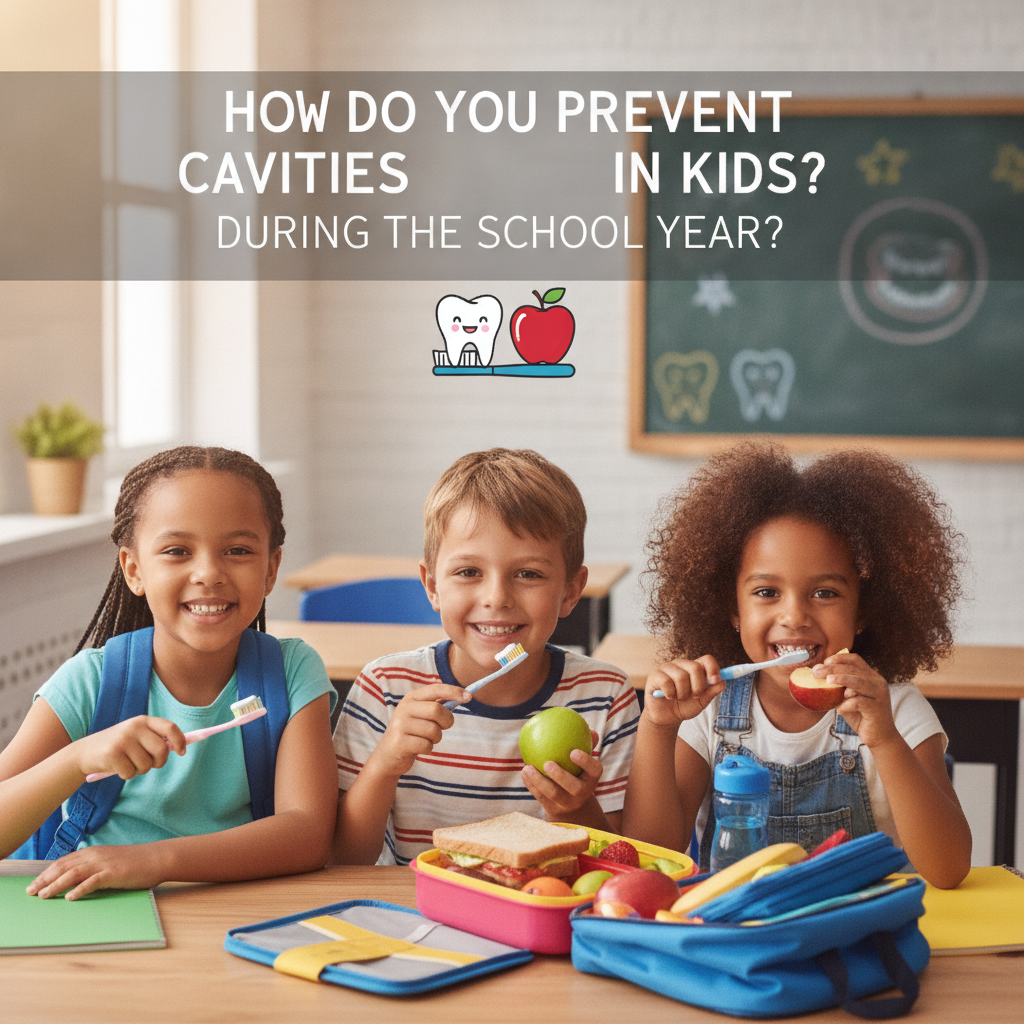
How to Prevent Cavities in Kids During the School Year: 5-Step Guide
Preventing cavities in school-age children requires consistent daily routines and strategic planning throughout the academic year. According to the Centers for Disease Control and Prevention (CDC, 2024), approximately 20% of children ages 5 to 11 have at least one untreated cavity. This comprehensive guide provides parents with actionable strategies to protect their children’s teeth health during the demanding school year, reducing cavity risk by up to 80% when followed consistently.
Outcome Statement: By implementing this 5-step cavity prevention system, parents can significantly reduce their child’s risk of tooth decay within 3-6 months. This guide is suitable for parents of preschool through middle school children and requires beginner-to-intermediate commitment levels.
Before You Begin: Essential Prerequisites
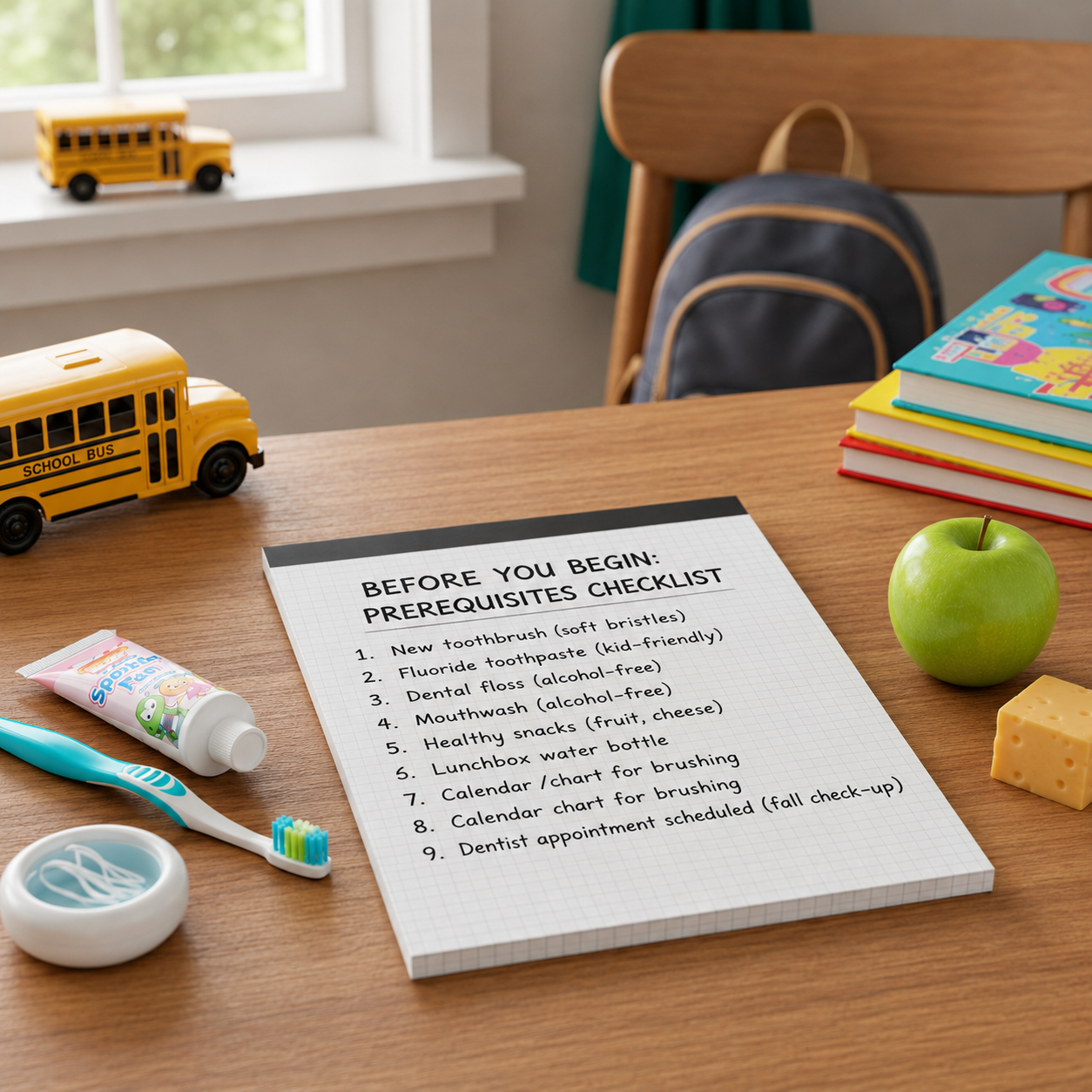
Establish these foundational elements before starting your cavity prevention routine:
- Dental Supplies: Soft-bristled toothbrush (manual or electric toothbrush kids), fluoride toothpaste (pea-sized amount for ages 3+), dental floss or floss picks, and fluoride rinse for children over 6 years
- Professional Baseline: Schedule a back-to-school dental checkup with a pediatric dentist to assess current oral health status and identify any white spot lesions or early childhood caries
- School Coordination: Communicate with the school nurse and teachers about your child’s oral hygiene needs during school hours
- Insurance Verification: Confirm dental insurance, Medicaid, or CHIP coverage for preventive care services including dental sealants and fluoride treatment
Step 1: Establish Morning Dental Hygiene Routine (5-7 Minutes)
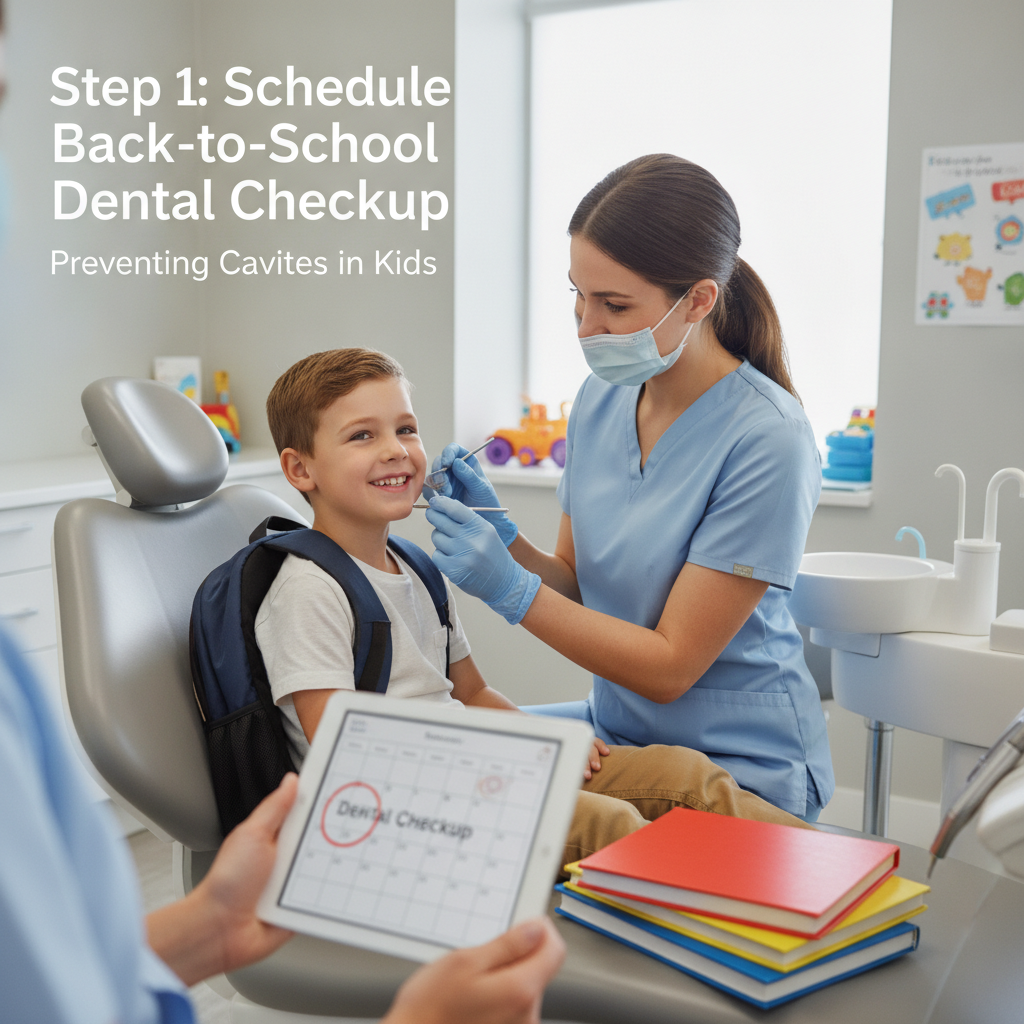
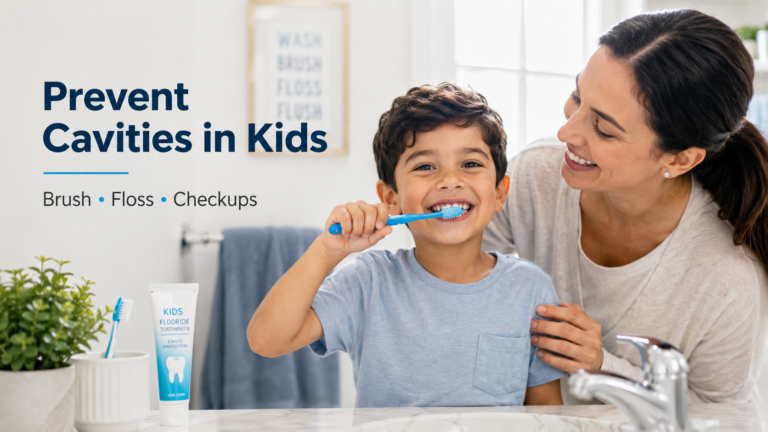
The morning brushing session sets the foundation for pediatric dental care throughout the day. Children should brush teeth for two minutes using proper technique before leaving for elementary school, middle school, or preschool.
Morning Brushing Techniques for School Children
- Apply a pea-sized amount of fluoride toothpaste (rice-grain size for children under 3) to the toothbrush
- Brush outer surfaces using gentle circular motions at a 45-degree angle to the gum line, removing plaque and controlling oral bacteria
- Clean inner surfaces of all teeth, paying special attention to molars where Streptococcus mutans bacteria accumulate
- Brush chewing surfaces and tongue to eliminate bacteria and promote fresh breath
- Rinse thoroughly with water to remove debris and excess toothpaste
For quick brushing tips for kids before school, set a timer or play a two-minute song to ensure adequate brushing time. Electric toothbrushes with built-in timers help children meet the recommended duration while improving plaque removal efficiency by 21% compared to manual toothbrushes (American Dental Association, 2023).
Step 2: Pack Cavity-Free School Lunches (10-15 Minutes Daily)
Healthy eating habits directly impact children’s teeth health. The foods children consume during lunch time and snack time significantly influence pH balance mouth levels and enamel protection throughout the school day.
Cavity Prevention Lunch Box Essentials
Include these protective foods in daily school lunches:
- Calcium-rich foods: Cheese sticks, yogurt, milk (cheese benefits teeth by neutralizing acid and providing essential minerals for tooth mineralization)
- Crunchy vegetables: Carrots, celery, bell peppers that stimulate saliva production and naturally clean teeth
- Whole grains: Whole wheat bread, brown rice, oatmeal that break down slower than starchy snacks
- Fresh fruits: Apples, pears, strawberries (avoid sticky fruits like raisins that cling to teeth)
- Protein sources: Turkey, chicken, eggs, nuts dental health options that don’t promote bacterial growth
What Foods Prevent Cavities in Kids Lunches
Replace cavity-causing items with sugar-free snacks and healthy alternatives to sugary school treats. According to the American Academy of Pediatric Dentistry (2024), limiting sugar consumption to less than 10% of daily calories significantly reduces dental caries risk. Avoid packing juice consumption items, soda alternatives, sports drinks, and candy in the lunch box.
Include a reusable water bottle filled with fluoridated water. Water consumption throughout the day maintains proper hydration, prevents dry mouth, and takes advantage of water fluoridation benefits for enamel remineralization.
Step 3: Manage After-School Snacks and Beverages (Ongoing)
After-school snacks present high-risk periods for tooth decay prevention. Children often consume sugary or acidic drinks and carbohydrates without immediate teeth cleaning, allowing bacteria to produce acids that cause enamel demineralization.
Healthy Snack Time Strategies
Implement these cavity prevention strategies for student dental health:
- Offer xylitol-containing snacks or sugar-free gum that inhibits Streptococcus mutans growth and promotes remineralization
- Provide water instead of sports drinks dangers like Gatorade or acidic drinks that erode tooth enamel
- Serve dairy products teeth-friendly options like string cheese or plain yogurt
- Choose whole fruits over fruit snacks or sticky foods avoid list items
- Limit frequency of snacking to reduce acid erosion episodes (time between eating matters more than total sugar consumed)
For kids who participate in after-school programs or sports, pack a portable dental care kit for school children containing a travel toothbrush, kid-friendly toothpaste, and water for rinsing after consuming snacks.
Step 4: Execute Evening Oral Care Routine (7-10 Minutes)
Nighttime brushing and flossing habits constitute the most critical cavity prevention for kids who eat lunch at school. Bacteria multiply rapidly overnight, making thorough evening oral hygiene essential for preventing tooth decay during sleep.
Comprehensive Evening Dental Care
- Flossing (2-3 minutes): Use dental floss, flossers for kids, or water flosser children devices to remove food particles and plaque between teeth where toothbrushes cannot reach. The American Dental Association recommends daily flossing for all children, regardless of age.
- Brushing (2 minutes): Follow the same brushing techniques described in Step 1, ensuring complete removal of plaque accumulated throughout the day at school cafeteria and during activities.
- Fluoride Rinse (1 minute): For children over age 6, use an alcohol-free mouthwash or fluoride rinse to strengthen tooth enamel and inhibit bacterial growth overnight. Supervise to prevent swallowing.
- Inspection (1 minute): Parents should briefly inspect children’s teeth for brown spots teeth, chips and cracks, or signs of tooth sensitivity that may indicate developing cavities requiring professional attention.
Step 5: Schedule Regular Professional Preventive Care (Every 6 Months)
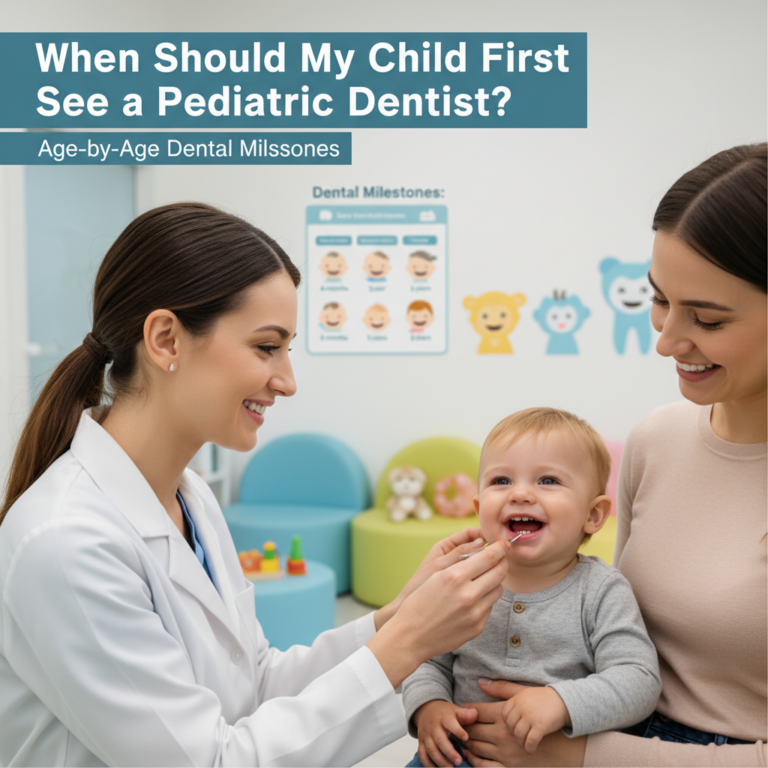
Professional dental visits complement home care routines and provide essential services for oral hygiene kids cannot achieve independently. According to the World Health Organization (WHO, 2023), regular six-month cleaning appointments reduce cavity incidence in children by 40%.
Essential Professional Services
Schedule these preventive treatments with your pediatric dentist or dental hygienist:
- Dental Examination: Comprehensive assessment including x-rays to detect cavities between teeth and monitor tooth development
- Professional Dental Cleaning: Removal of calcified plaque (tartar) that brushing cannot eliminate
- Dental Sealants: Protective plastic coatings applied to posterior teeth protection surfaces (molars sealing) that reduce cavity risk by 80% for up to 4 years
- Fluoride Varnish Treatment: Professional fluoride application that strengthens enamel and reverses early enamel demineralization
- Nutrition Education: Guidance from dental clinic professionals on cavity-free classroom party ideas and healthy fundraiser options that prevent cavities
For comprehensive guidance on preventing cavities in kids, consult with a qualified pediatric dentist who specializes in childhood oral health and minimally invasive dentistry techniques.
Troubleshooting Common School Year Cavity Prevention Challenges
If your child forgets to brush teeth at school: Pack a portable dental care kit in their backpack and coordinate with the school nurse to establish reminder systems. Chewing xylitol gum after cafeteria meals provides temporary plaque removal when brushing isn’t possible.
If cafeteria food choices increase cavity risk: Review school lunch menus weekly and provide supplemental healthy beverages and calcium-rich foods. Contact PTA representatives to advocate for healthier vending machine alternatives and school health program improvements.
If homework stress affects kids dental health: Establish firm bedtime routines that include oral care before late-night studying begins. Create visual reminder charts near study areas to prevent cavities in kids who forget to brush during busy exam seasons.
If your child resists daily flossing: Transition to floss picks or interdental cleaners designed for children. Make flossing a family activity and use disclosing tablets weekly to demonstrate effectiveness, motivating continued compliance.
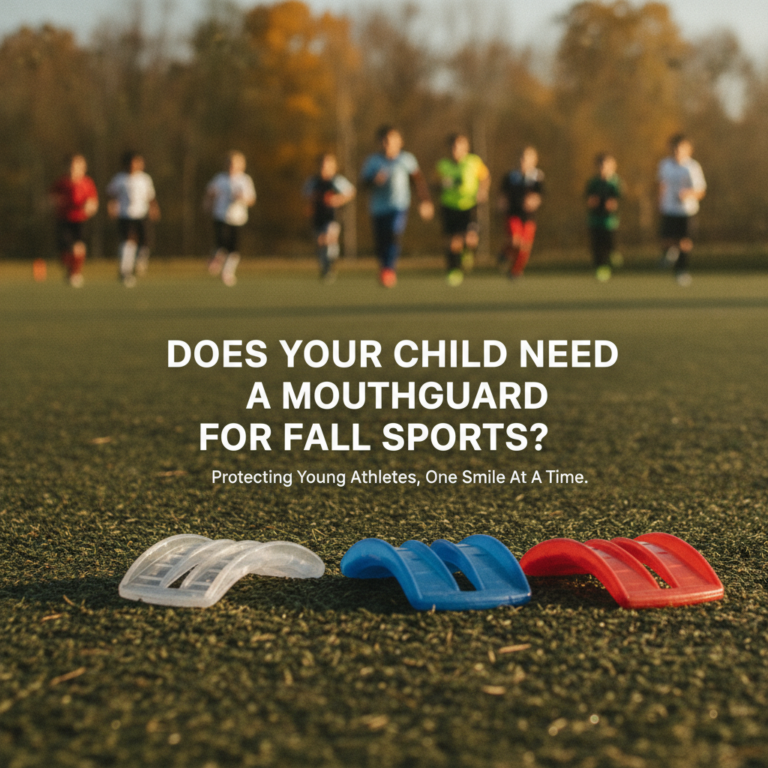
If sports participation increases injury or decay risk: Invest in custom sports mouthguards from your dentist for broken teeth prevention. Encourage water consumption instead of sports drinks during practices to avoid acid erosion from frequent beverage exposure.
Next Steps: Advanced Cavity Prevention Strategies
After establishing consistent basic routines, consider these enhanced approaches:
- Explore age-appropriate cavity prevention strategies kids can manage independently as they mature through elementary and middle school
- Investigate pit and fissure sealants for newly erupted permanent molars
- Discuss preventive resin restoration options with your orthodontist or dentist for high-risk teeth
- Implement saliva testing to identify children with elevated Streptococcus mutans levels requiring targeted intervention
- Address preventing cavities in kids with special needs at school through individualized education plans coordinating with school cafeteria staff and health class teachers
By following these five comprehensive steps consistently throughout the school year, parents can dramatically reduce childhood cavities, gingivitis children risks, and dental emergencies while establishing lifelong oral hygiene habits. Success requires partnership between parents, teachers, dental hygienists, and children themselves, creating a supportive environment for optimal pediatric dental care and preventing tooth decay from kindergarten through graduation.