At What Age Should a Child First See a Dentist? Complete Guide to Infant Oral Health
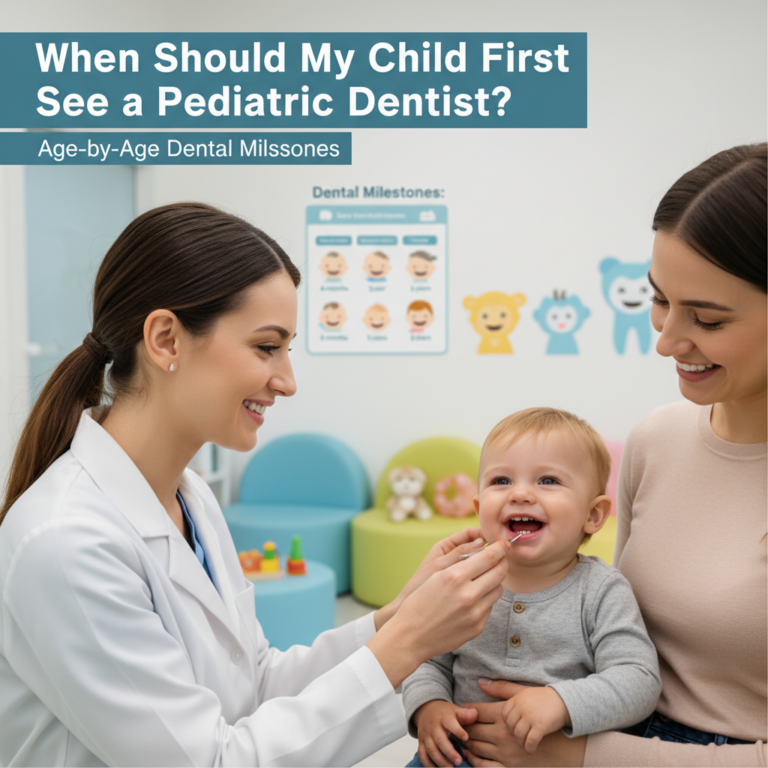
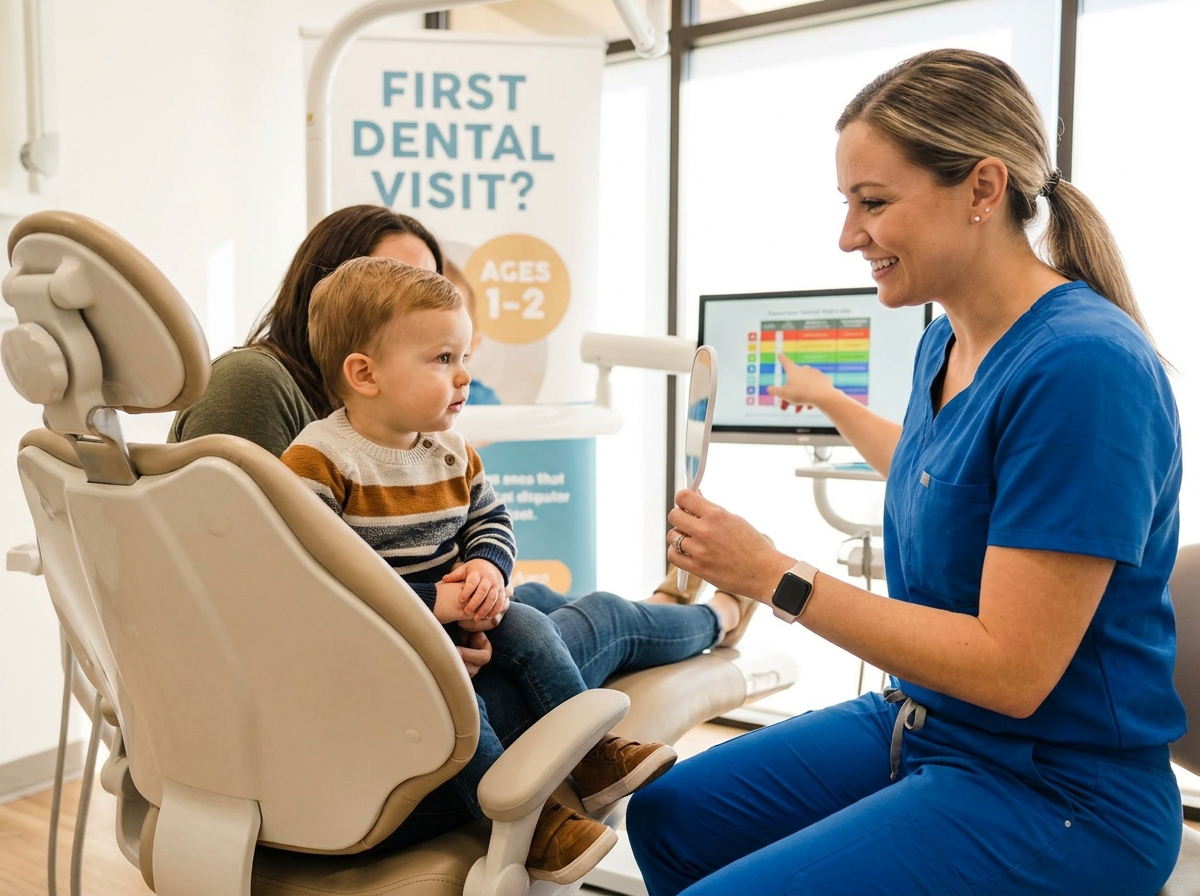
According to the American Academy of Pediatric Dentistry (AAPD), a child should first see a dentist by their first birthday or within six months after their first tooth erupts, whichever comes first. This recommendation, established by the AAPD in 2003 and supported by the American Dental Association (ADA), emphasizes that early dental care begins in infancy, not during preschool years as many parents assume.
Why the First Dental Visit by Age One Matters
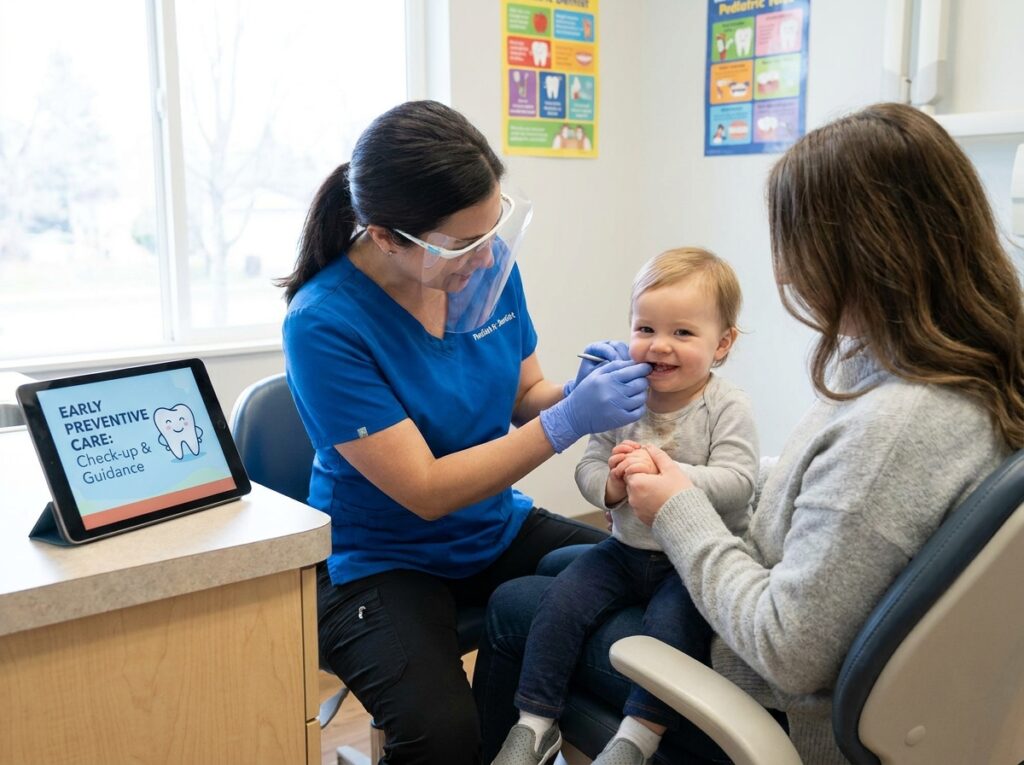
The concept of establishing a dental home by 12 months serves multiple critical purposes. Early childhood caries, also known as baby bottle tooth decay, affects approximately 23% of children aged two to five years (Centers for Disease Control and Prevention, 2023). When parents delay the first pediatric dental visit until age three or older, tooth decay may already be advanced, requiring invasive treatment rather than simple preventive care.
Early dental screening allows a pediatric dentist to assess caries risk evaluation, provide anticipatory dental guidance, and educate parents about proper infant oral care. The first dental visit guidelines recommend establishing this relationship early to normalize dental care and reduce dental anxiety children experience later.
Understanding the Age-One Visit Recommendation
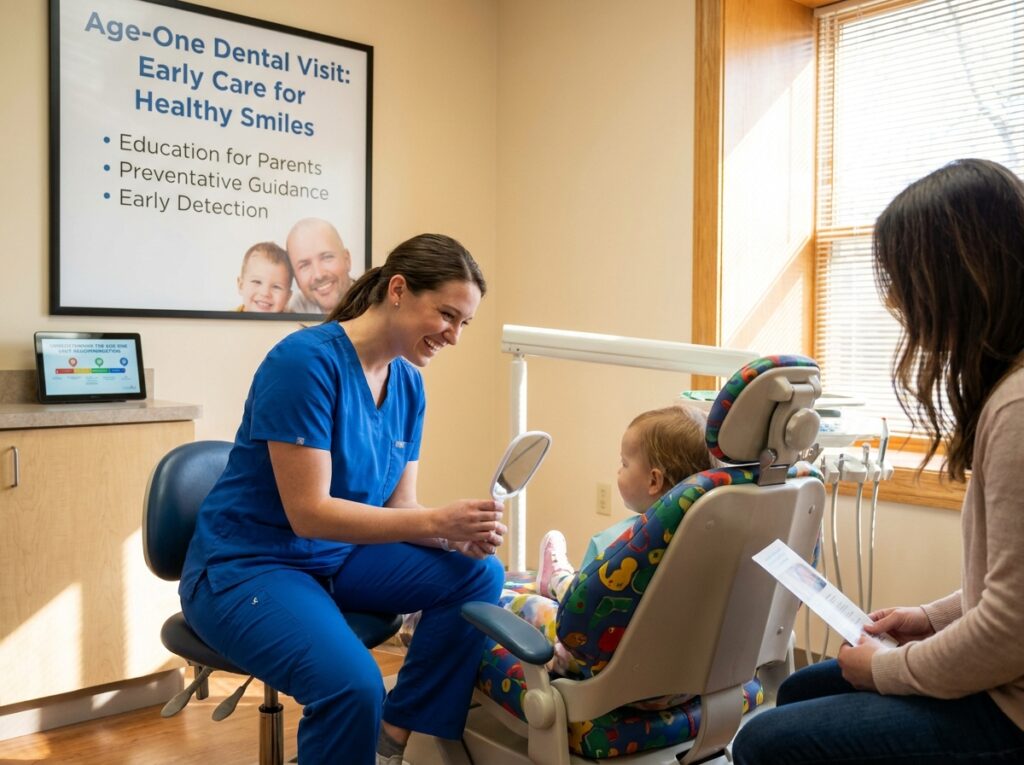
The age one dental visit recommendation addresses several developmental factors. Most infants experience tooth eruption between six and twelve months, with lower central incisors typically appearing first. According to the AAPD, preventive dental treatment should begin as soon as primary teeth emerge because enamel on baby teeth is thinner and more susceptible to dental cavities than permanent teeth.
Infant tooth eruption follows a predictable tooth eruption schedule: lower incisors at six to ten months, upper incisors at eight to twelve months, and molars between thirteen and nineteen months. The six-month teeth rule—scheduling the first dental appointment within six months of the first tooth—ensures that oral health assessment occurs during critical developmental windows.
Professional Guidelines from Dental Organizations
The AAPD’s evidence-based pediatric dentistry guidelines specify that the first tooth first visit approach allows dentists to identify risk factors for early childhood cavities before damage occurs. The ADA similarly recommends that children’s dental health monitoring begin during infancy. Both professional dental organizations emphasize that dental home establishment by age one represents the standard of care pediatric dentistry.
What Happens During Baby’s First Dental Visit
The infant oral examination differs significantly from adult dental visits. A typical well-baby dental visit includes:
- Oral health examination: The pediatric dentist examines teeth, gums, jaw, and oral tissues for abnormalities, checking for signs of teething problems or developmental concerns.
- Risk assessment: Evaluation of cavity prevention kids factors including diet, bottle feeding practices, fluoride exposure, and family history of dental cavities.
- Parent counseling oral health: Discussion of proper brushing technique, appropriate toothpaste amount (rice-grain size of fluoride toothpaste for infants), and oral hygiene routine establishment.
- Anticipatory dental guidance: Advice on teething management, pacifier use, thumb sucking, sippy cup transition, and sugar intake children management.
- Fluoride application children: Professional fluoride varnish may be applied if the child is at moderate to high risk for cavities.
Unlike older children, infants typically don’t require dental x-rays or dental radiographs during the first visit unless specific problems are identified. The primary goal is establishing good oral health habits early and creating a positive dental experience.
Key Benefits of Early Dental Visits for Children
Preventive pediatric dentistry beginning in infancy offers measurable advantages. Research published in Pediatric Dentistry (2022) found that children who established a dental home by age one had 40% fewer dental problems in infants by age five compared to those who delayed until age three.
The importance of early dental visits for children extends beyond cavity prevention infants. Early visits allow dentists to identify nursing caries patterns, intervene before baby bottle syndrome develops, and provide dental health education when parents are most receptive. The developmental dental assessment also screens for issues like tongue-tie, jaw misalignment, or delayed eruption that may affect speech and eating.
Additionally, children who attend regular dental check-up appointments from infancy view dental care as routine rather than frightening. This positive dental experience foundation significantly reduces dental anxiety during childhood and adolescence. Understanding when kids should see an orthodontist becomes easier when families already have an established relationship with a dental provider.
Common Misconceptions About Infant Dental Care
Myth: Baby teeth aren’t important because they fall out anyway.
Reality: Primary teeth (also called deciduous teeth or milk teeth) serve critical functions including proper nutrition, speech development, and space maintenance for permanent teeth. Tooth decay in baby teeth can cause pain, infection, and damage to developing permanent teeth underneath.
Myth: Children should first visit the dentist when all baby teeth have erupted (around age three).
Reality: Waiting until age two dental visit if missed age one or even a first dental appointment for three year old may be too late. Early childhood caries can develop rapidly, and a first dental appointment for three year old too late may require extensive treatment including crowns or extractions.
Myth: Infants don’t need teeth cleaning or fluoride.
Reality: Infant oral hygiene should begin even before teeth erupt. Parents should wipe gums with a clean cloth after feeding. Once teeth appear, toddler teeth cleaning with a soft toothbrush and rice-grain-sized amount of fluoride toothpaste should occur twice daily.
Pediatric Dentist vs General Dentist for Toddlers
While both general dentist and pediatric dentist professionals can provide infant dentist appointment services, there are important distinctions. A pediatric dental specialist completes two to three additional years of training beyond dental school, focusing exclusively on children’s oral examination, behavior management, and age-appropriate dental care.
Pediatric dentist vs regular dentist for toddler considerations include office environment (child-friendly dental office design), staff training in reducing dental anxiety in young children, and expertise in conditions like nursing bottle syndrome or developmental abnormalities. A family dentist may be appropriate for families seeking a single provider for all ages, particularly if the practice has experience with toddler dentistry.
Many children’s hospital systems and community health centers offer pediatric oral health services. Dental insurance plans, including Medicaid and CHIP, typically cover preventive dental treatment for children starting at birth.
Practical Steps for First Dental Visit Preparation
To ensure a successful baby first dentist appointment:
- Schedule the appointment during your child’s alert, happy time—typically mid-morning after nap and feeding
- Complete a toddler first checkup when your child is healthy, not during illness
- Choose a kid-friendly dentist with a welcoming office environment
- Avoid using words like “hurt,” “pain,” or “shot” when discussing the visit
- Bring comfort items but avoid promising rewards that create anxiety
- Prepare what questions to ask at child’s first dental visit, including brushing technique, flossing introduction, and dental sealants timing
Follow-Up Schedule and Ongoing Care
After the initial visit, the AAPD recommends routine dental checkups every six months for most children. The six-month visit schedule allows for consistent monitoring of child tooth development, early detection of gum disease or plaque buildup, and timely application of preventive dental care measures like fluoride varnish.
The dentist will establish an individualized how often should toddlers see dentist after first visit schedule based on caries risk evaluation. High-risk children may require three or four visits annually. Continuing dental health education, maintaining an effective oral hygiene routine at home, and limiting sugar exposure remain essential components of healthy teeth kids maintenance.
For comprehensive information about your child’s dental timeline, visit when should a child have their first dental visit.
Establishing best practices child dentistry begins with that critical first birthday dental appointment. The 12-month dental appointment represents not just a first tooth celebration, but the foundation for lifelong oral health. By following AAPD guidelines and ADA recommendations children, parents give their children the best opportunity for cavity-free smiles and positive dental experiences throughout childhood and beyond.