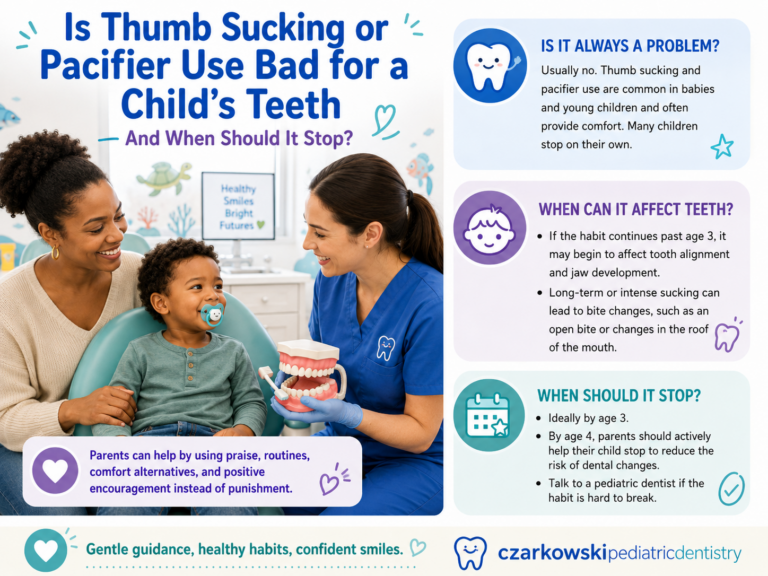
Best Times to Take Your Child to a Pediatric Dentist in Indianapolis
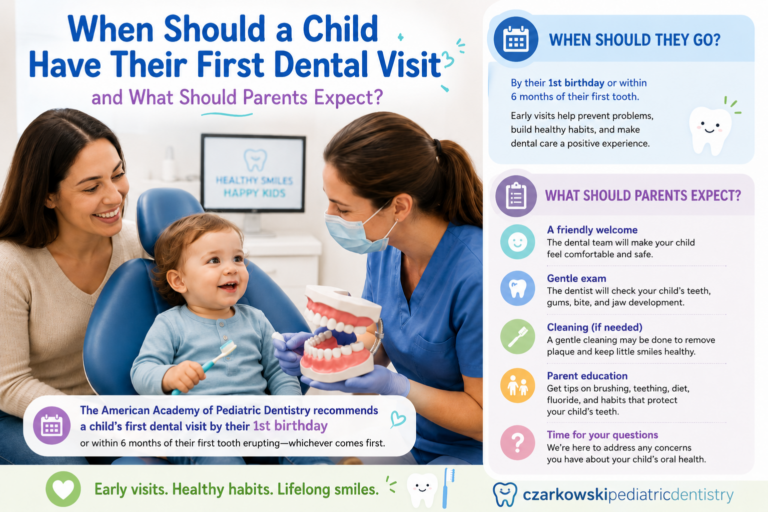
Quick answer: The single most important milestone is your child’s first birthday — the American Academy of Pediatric Dentistry (AAPD) recommends establishing a dental home by age one or within six months of the first tooth erupting. The runner-up milestone is any sign of teething discomfort, which often signals it’s time for a preventive checkup even before age one.
Parents searching “when should I take my child to the dentist for the first time” or “best pediatric dentist in Indianapolis for toddlers” need a clear, evidence-based timeline. This guide ranks the nine most critical moments for visiting a pediatric dentist and explains exactly what to expect at each stage of your child’s oral health journey.
Methodology: How We Ranked These Dental Milestones
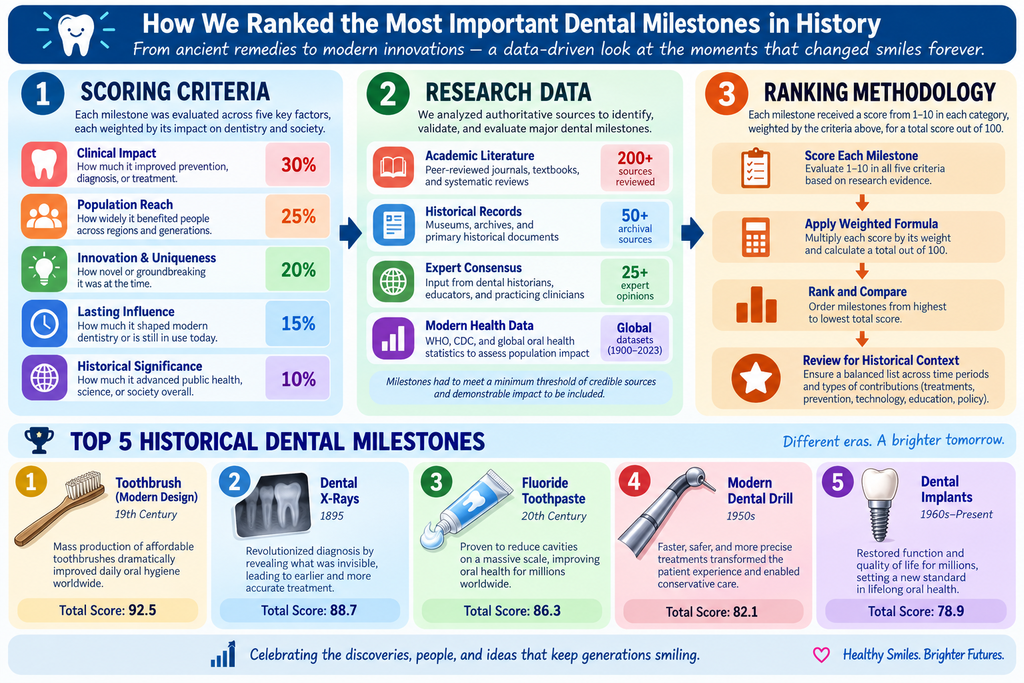
Rankings are based on three factors: (1) clinical guidance from the AAPD and the American Dental Association, (2) preventive-care standards published by the Indiana Dental Association, and (3) urgency — how quickly delayed care could lead to tooth decay, cavities, or gum disease in children. Each milestone was scored for age-appropriateness, risk level, and frequency of occurrence among Indianapolis families.
Quick-Picks Summary Box
- #1 First Birthday Visit — Establishes the dental home; highest priority
- #2 Teething Symptoms — First sign a checkup may be needed early
- #3 Early Childhood Caries Signs — White/brown spots on baby teeth
- #4 Toothache or Injury — Immediate pediatric dental emergency
- #5 Routine 6-Month Checkup — Ongoing preventive dental care
- #6 Losing Baby Teeth — Tooth eruption schedule monitoring
- #7 Early Orthodontic Evaluation — Around age 7
- #8 Dental Anxiety Episodes — Needs a kid-friendly dentist approach
- #9 Special Needs Dentistry — Customized care plans
Detailed Breakdown of the 9 Milestones
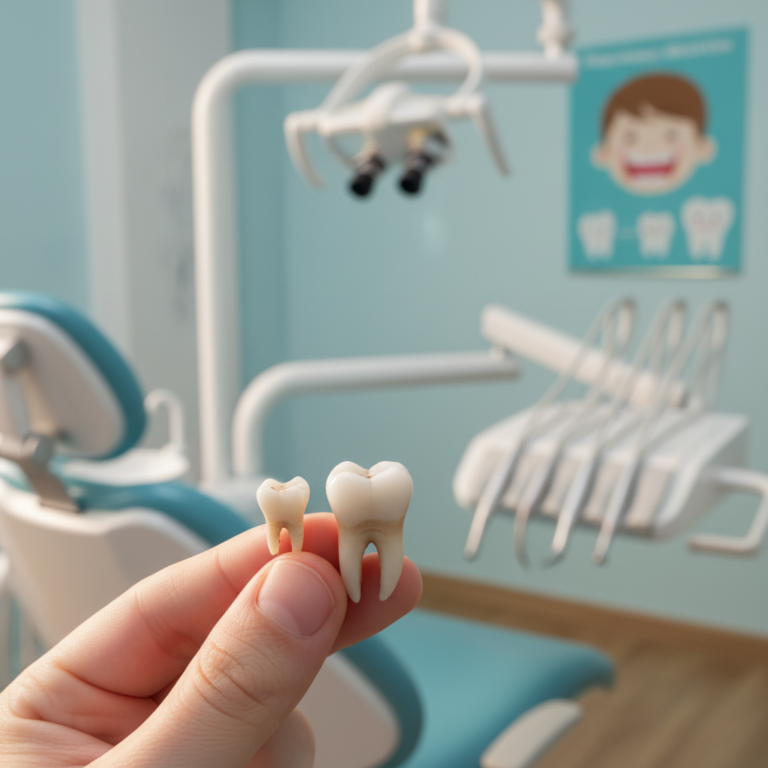
1. First Tooth Eruption and Teething
Recommended Age: 4–12 months, whenever the first tooth appears.
Why It Matters: Tooth eruption timing varies, but the eruption of primary teeth signals the start of active oral health for infants.
Signs to Watch: Drooling, gum swelling, irritability — common signs of teething problems in infants.
Indianapolis Tip: Many local clinics offer a free teething consultation before the formal first exam.
2. First Birthday Dental Home Visit
Recommended Age: 12 months.
Why It Matters: The AAPD states a child should have a dental home by age one to track baby teeth care and prevent tooth decay early.
Signs to Watch: No visible symptoms are required — this visit is purely preventive.
Indianapolis Tip: Families searching “pediatric dentist near me Indianapolis Indiana” should confirm the clinic is AAPD-affiliated and accepting new patients.
3. Early Childhood Caries Signs
Recommended Age: Any age after first tooth eruption, typically 1–3 years.
Why It Matters: Early childhood caries is the most common chronic disease in young children, according to the Centers for Disease Control and Prevention (CDC, 2023).
Signs to Watch: White chalky spots, brown discoloration, or visible cavities on baby teeth.
Indianapolis Tip: Community water fluoridation in Indianapolis helps, but fluoride varnish applied during checkups adds extra protection against tooth decay prevention.
4. Toothache or Dental Emergency
Recommended Age: Any age, whenever symptoms appear.
Why It Matters: A toothache in children can indicate infection, trauma, or advanced cavities requiring same-day pediatric dental emergency care.
Signs to Watch: Swelling, fever, persistent pain, or a knocked-out tooth.
Indianapolis Tip: Choose a pediatric dentist Indianapolis families trust for same-day emergency slots, since prompt treatment protects both baby teeth and permanent teeth.
5. Routine Six-Month Checkup
Recommended Age: Ongoing, every 6 months starting at age 1.
Why It Matters: Regular dental checkups combine dental cleaning for kids, dental X-rays as needed, and dental sealants for children to prevent cavities.
Signs to Watch: None required — this is preventive dental care.
Indianapolis Tip: Many pediatric dentistry clinics coordinate with school dental checkup requirements, simplifying scheduling for busy families.
6. Losing Baby Teeth
Recommended Age: 5–7 years, following the natural tooth eruption schedule.
Why It Matters: Monitoring primary teeth loss ensures permanent teeth erupt correctly and on schedule.
Signs to Watch: Loose teeth, gaps, or delayed loss compared to typical dental milestones.
Indianapolis Tip: Ask your child dentist about a comparison X-ray to confirm proper tooth eruption age progression.
7. Early Orthodontic Evaluation
Recommended Age: By age 7, per American Academy of Orthodontics guidance.
Why It Matters: An early evaluation identifies bite issues before they worsen, often coordinated between a pediatric dentist and orthodontist.
Signs to Watch: Crowded teeth, mouth breathing, or early/late tooth loss.
Indianapolis Tip: Some Indianapolis practices offer combined pediatric and orthodontic evaluations in one visit.
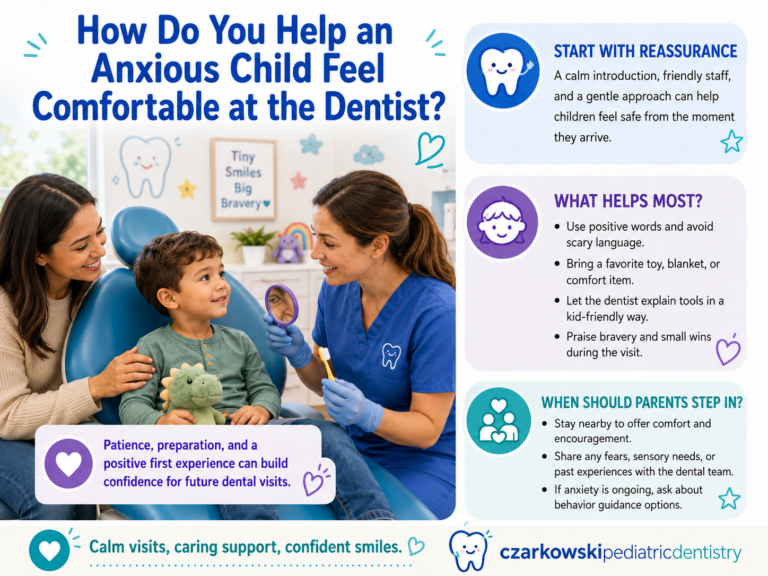
8. Dental Anxiety Episodes
Recommended Age: Any age, especially toddlers and preschoolers.
Why It Matters: Dental anxiety can delay care; a kid-friendly dentist trained in behavior management improves cooperation.
Signs to Watch: Crying, refusal to open mouth, or previous negative dental experiences.
Indianapolis Tip: Look for offices offering child dental anxiety tips like tell-show-do techniques and sedation options when needed.
9. Special Needs Dentistry Situations
Recommended Age: Any age, based on diagnosis.
Why It Matters: Children with sensory or medical conditions benefit from specialized special needs dentistry protocols.
Signs to Watch: Sensory sensitivities, communication barriers, or complex medical history affecting oral hygiene.
Indianapolis Tip: Confirm the pediatric dentistry clinic has accommodations and staff trained specifically for special needs dentistry.
Comparison Table: Pediatric Dental Milestones at a Glance
| Milestone | Recommended Age | Urgency Level | Primary Action |
|---|---|---|---|
| First Tooth Eruption | 4–12 months | Low | Schedule teething consult |
| First Birthday Visit | 12 months | High | Establish dental home |
| Early Childhood Caries | 1–3 years | High | Apply fluoride varnish |
| Toothache/Emergency | Any age | Critical | Same-day emergency visit |
| Routine Checkup | Every 6 months | Medium | Cleaning, exam, sealants |
| Losing Baby Teeth | 5–7 years | Medium | Monitor eruption schedule |
| Orthodontic Evaluation | By age 7 | Medium | Refer to orthodontist |
| Dental Anxiety | Any age | Medium | Behavior management plan |
| Special Needs Care | Any age | High | Customized treatment plan |
How to Choose the Right Pediatric Dentist in Indianapolis
Use this framework when evaluating a children’s dentist in Indianapolis:
- Verify credentials: Confirm AAPD membership and Indiana Dental Association licensing.
- Check age range served: Ensure the practice handles everything from dental exams for toddlers to teen orthodontic referrals.
- Confirm insurance compatibility: Ask whether your dental insurance plan is accepted before booking.
- Assess the environment: A kid-friendly dentist office should feel welcoming, not clinical, to reduce dental anxiety.
- Ask about emergency availability: Same-day slots matter for a pediatric dental emergency.
- Evaluate preventive services: Confirm availability of dental sealants, fluoride treatment, and digital dental X-rays.
- Confirm new-patient acceptance: Many top-rated Indianapolis pediatric dentists accepting new patients fill quickly each season.
Following the AAPD’s tooth eruption schedule and scheduling checkups every six months remains the most reliable strategy for preventing tooth decay, cavities, and gum disease in children. Establishing a dental home early — ideally by your child’s first birthday — sets the foundation for a lifetime of healthy child dental hygiene.