What Is a Child’s First Dental Cleaning? A Parent’s Guide to What to Expect
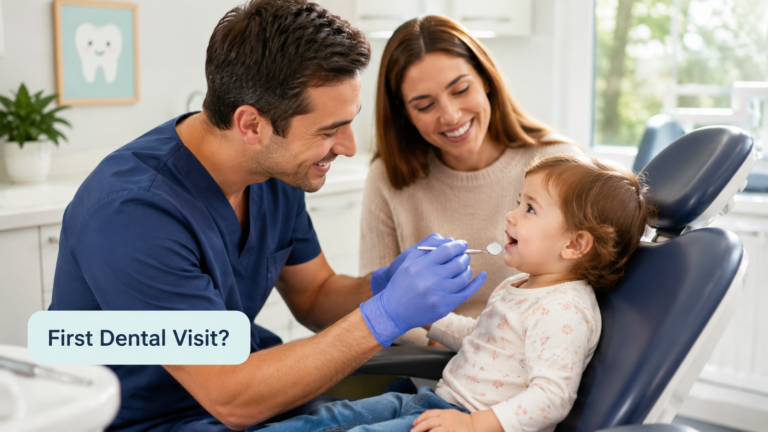
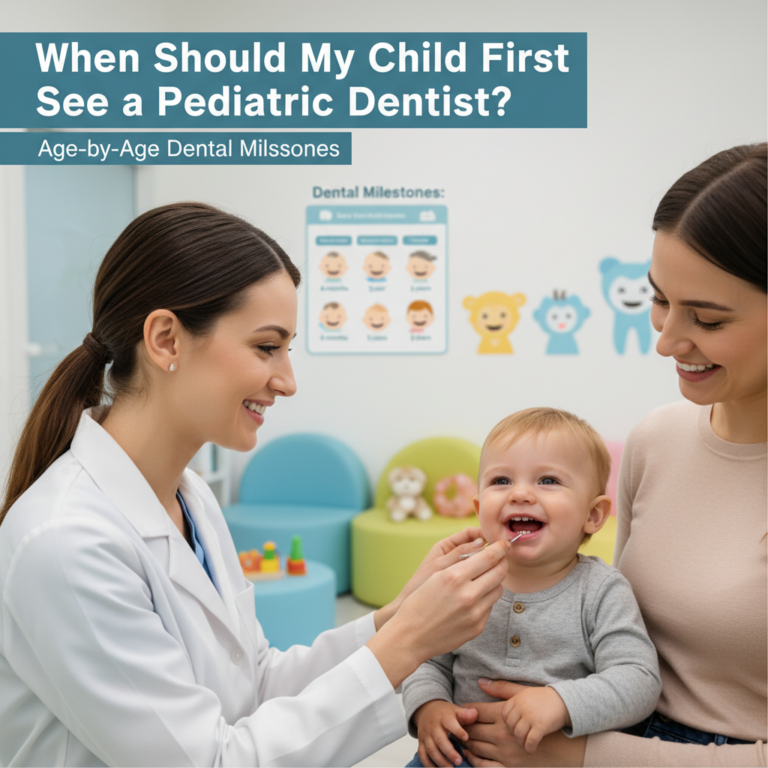
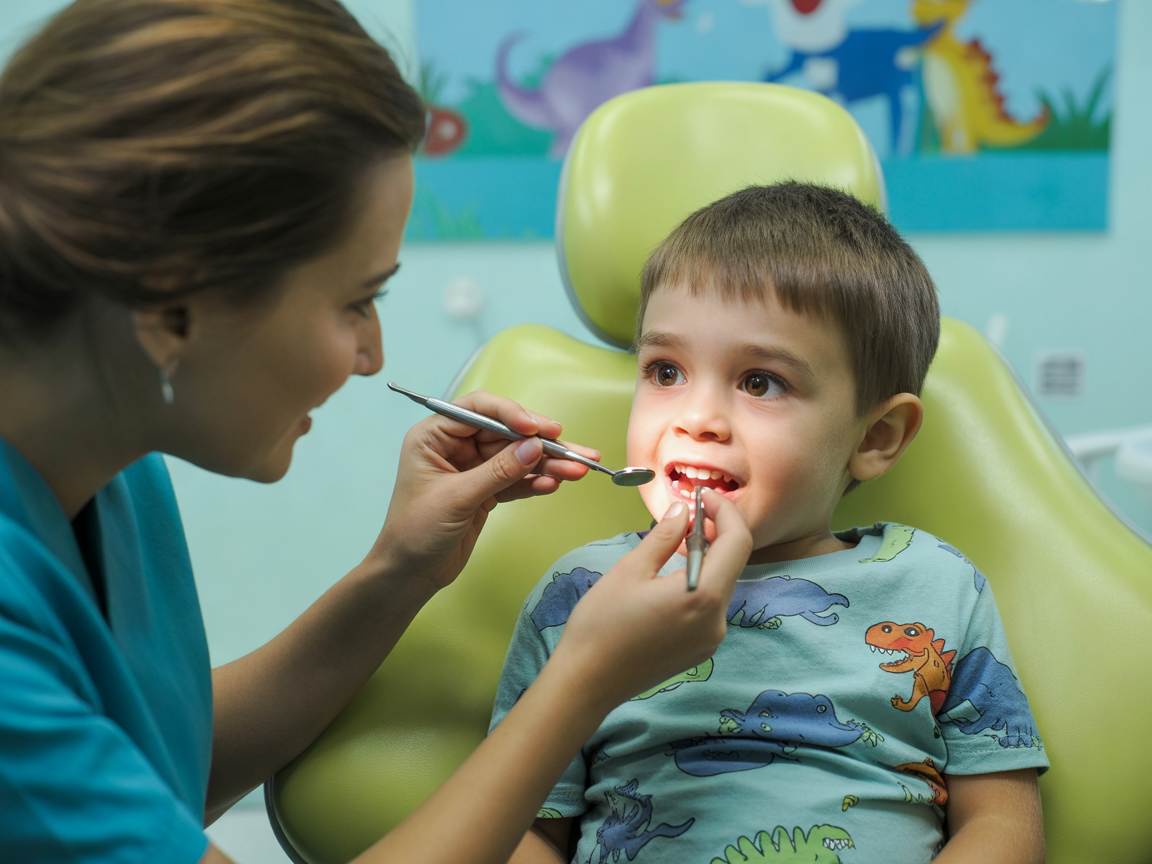
A child’s first dental cleaning is a gentle, preventive appointment where a pediatric dentist and dental hygienist examine baby teeth, remove dental plaque, and apply fluoride treatment to protect developing primary teeth. According to the American Academy of Pediatric Dentistry (AAPD, 2023), this visit should happen when the first tooth appears, and no later than a child’s first birthday. The appointment typically lasts 20 to 30 minutes and focuses on building comfort, not just cleaning. Unlike a standard adult cleaning, the first toddler dental visit is designed primarily as an introduction to the dental office, the tools, and the people, rather than an intensive treatment session.
Parents often use several interchangeable terms for this visit: “first dental cleaning,” “well-baby dental checkup,” or “age one dental visit.” All three describe the same preventive pediatric dental appointment recommended by the AAPD and the American Dental Association (ADA).
Why the First Dental Visit Matters
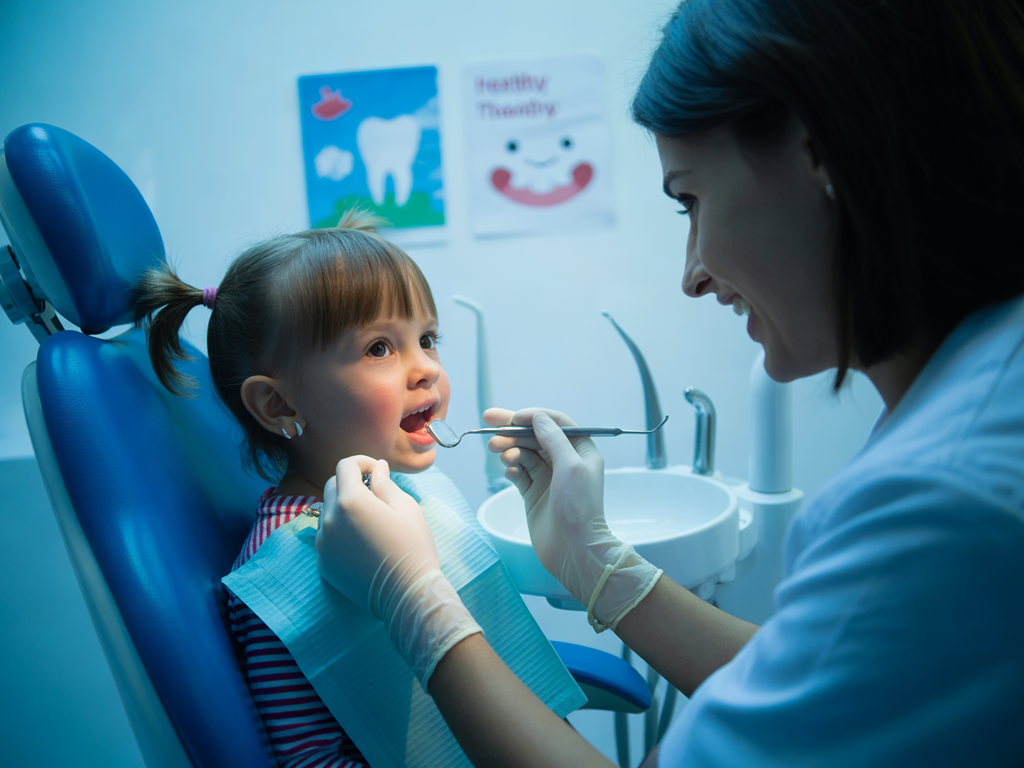
Early childhood caries (tooth decay) is one of the most common chronic diseases in children, according to the American Dental Association (ADA, 2024). In fact, the Centers for Disease Control and Prevention (CDC, 2023) reports that roughly 1 in 5 children ages 5 to 11 has at least one untreated cavity. A first dental visit by age one allows a pediatric dentist to catch tooth decay early, before it spreads to multiple teeth.
This early visit also teaches toddlers that the dental chair is a safe, routine place, not something to fear. Establishing this habit early can reduce dental anxiety later in childhood and lower the likelihood of avoiding the dentist as a teen. Research cited by the AAPD (2023) links early preventive visits to fewer emergency dental procedures before age six. In practical terms, a $50–$100 preventive visit at age one can help families avoid costly restorative treatment, such as fillings or extractions, down the road.
Key Characteristics of a Child’s First Dental Cleaning
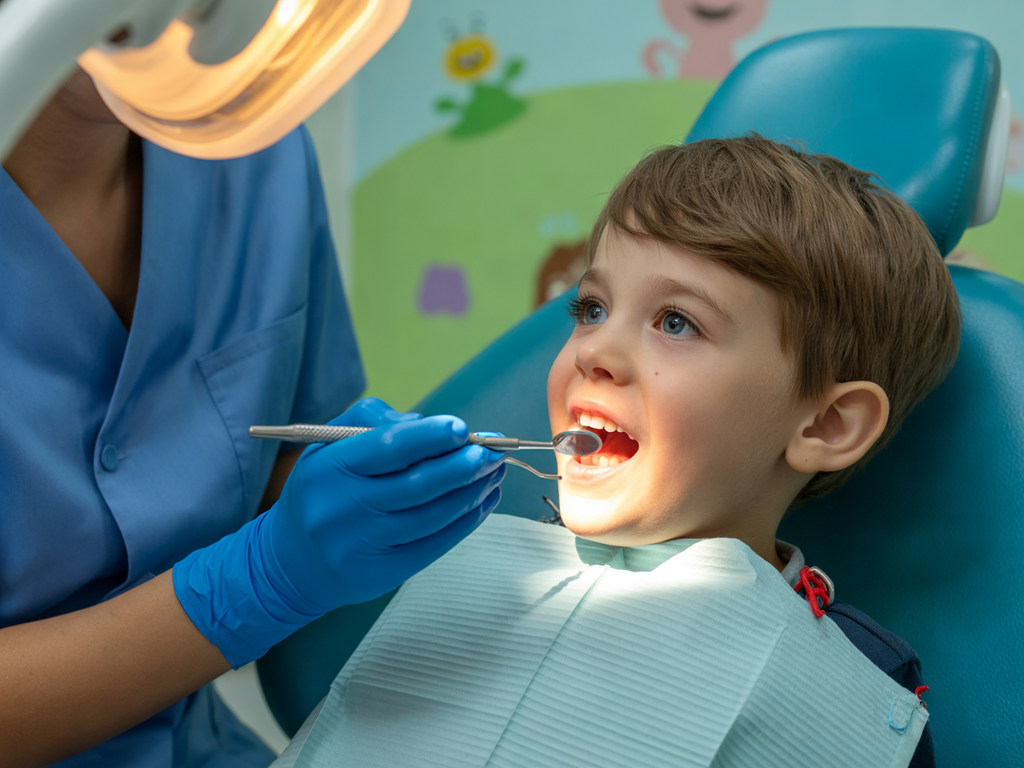
- Short duration: Most first visits last under 30 minutes to match a toddler’s attention span and limit overstimulation.
- Parent involvement: Parents often hold the child or sit nearby during the exam, sometimes in a “knee-to-knee” position with the dentist for better visibility.
- Minimal intervention: The focus is observation and gentle cleaning, not deep treatment or invasive procedures.
- Child-friendly environment: A child-friendly dentist uses colorful rooms, small-sized tools, and simple, non-threatening language such as “tooth counting” instead of “exam.”
- Preventive focus: Fluoride varnish and oral hygiene education take priority, since most one-year-olds have only a handful of erupted teeth.
How the Dental Cleaning Process Works: Step-by-Step
The following steps outline what happens during a typical toddler dental visit:
- Check-in and comfort building: The dental hygienist greets the child and explains tools in simple terms to ease dental anxiety. This “tell-show-do” technique lets the toddler see and touch a tool before it’s used.
- Oral exam for toddlers: The pediatric dentist uses a dental mirror to look at primary teeth, gum tissue, and bite alignment, checking for spacing issues or early signs of misalignment.
- Plaque and tartar check: A dental probe gently checks for plaque buildup or early signs of tartar, particularly along the gumline, an area that’s often missed during brushing.
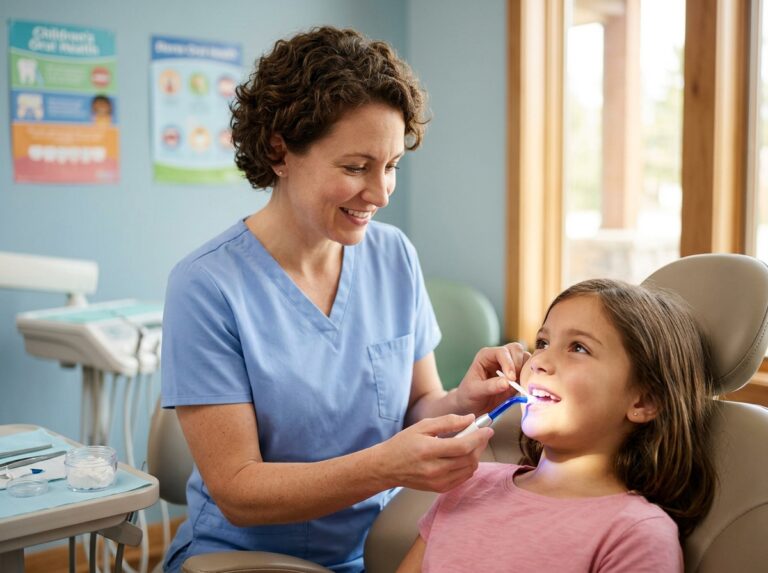
- Tooth cleaning and polishing: A soft toothbrush or soft rubber polishing cup with mild paste removes surface stains and plaque, usually in less than two minutes.
- Fluoride varnish application: A quick fluoride treatment strengthens enamel and supports cavity prevention; the varnish sets within seconds of contact with saliva.
- Dental X-rays (if needed): Older toddlers whose back teeth touch may receive bitewing X-rays to check for hidden decay between teeth that a visual exam cannot detect.
- Parent education: The dentist reviews brushing technique, toothbrush selection, diet guidance (limiting juice and sticky snacks), and an oral hygiene routine for home.
Dental Cleaning Tools Used at First Visits
| Tool | Purpose |
|---|---|
| Dental mirror | Views back teeth and gum tissue |
| Dental probe | Detects plaque, tartar, and soft spots |
| Polishing cup | Performs gentle tooth polishing |
| Fluoride varnish brush | Applies fluoride treatment to enamel |
| Dental X-ray sensor | Captures images of tooth structures not visible during the exam |
| Suction tip | Removes excess saliva and water during polishing |
| Disclosing solution (optional) | Highlights plaque spots missed during brushing for parent education |
Common Misconceptions About a Child’s First Dental Cleaning
Myth: Baby Teeth Don’t Matter Because They Fall Out
Reality: Primary teeth guide permanent tooth eruption and support speech and chewing. According to the ADA, untreated decay in baby teeth can affect adult teeth. For example, infection from a severely decayed baby molar can damage the permanent tooth developing beneath it, and losing a baby tooth too early can cause permanent teeth to come in crooked.
Myth: A Child’s First Dental Cleaning Is Painful
Reality: Is a child’s first dental cleaning painful? No. The process is non-invasive, using soft tools and polishing pastes designed for sensitive gum tissue. There is no drilling, scraping, or anesthesia involved in a standard first visit.
Myth: Babies Don’t Need Fluoride Treatment
Reality: Do babies need fluoride treatment at the first visit? Yes, if teeth have erupted. The AAPD recommends fluoride varnish starting when the first tooth appears to help prevent early childhood caries, and it’s especially important in areas without fluoridated tap water.
Myth: Crying Means the Visit Failed
Reality: What happens if a child cries during a dental cleaning? Pediatric dentists are trained to work calmly through tears, and most children adjust within a few visits. A successful first visit is measured by completed exam steps and safety, not by a tear-free appointment.
Myth: One Visit Is Enough Until Age Three
Reality: Most pediatric dentists recommend a checkup every six months starting from the first visit, or more often for children at higher risk of cavities. Consistent visits allow the dentist to track tooth eruption and catch decay early.
First Dental Cleaning vs. Regular Dental Exam
A child’s first dental cleaning differs from a regular dental exam in scope and goal. Unlike routine exams for older children, the first visit emphasizes trust-building and parent coaching over extensive treatment. A regular exam for an older child may include X-rays and dental sealants, while first visits rarely do, since sealants are placed on permanent molars, which don’t come in until around age six.
Preventive dental care at this stage centers on habit formation rather than correction. By contrast, a regular exam for a school-age child typically includes cavity checks across all molars, orthodontic screening, and possibly sealant application on permanent molars, steps that simply don’t apply to a one-year-old’s teeth.
Practical Applications: Preparing for the Visit
How to Prepare a Toddler for First Dental Cleaning
- Schedule the appointment in the morning when toddlers are well-rested and less likely to be fussy.
- Read simple books about visiting the dentist beforehand to normalize the experience.
- Avoid words like “pain” or “shot” to prevent dental anxiety; instead, use neutral terms like “tooth counting” or “tooth brushing.”
- Bring a comfort item, such as a small toy or blanket, to the dental chair.
- Try a “practice run” at home where a parent gently counts the child’s teeth with a soft toothbrush.
Families searching for child first dental cleaning Indianapolis providers can expect a similar gentle, step-by-step approach focused on long-term oral health habits, including knee-to-knee exams and parent coaching tailored to toddlers.
Building an Oral Hygiene Routine at Home
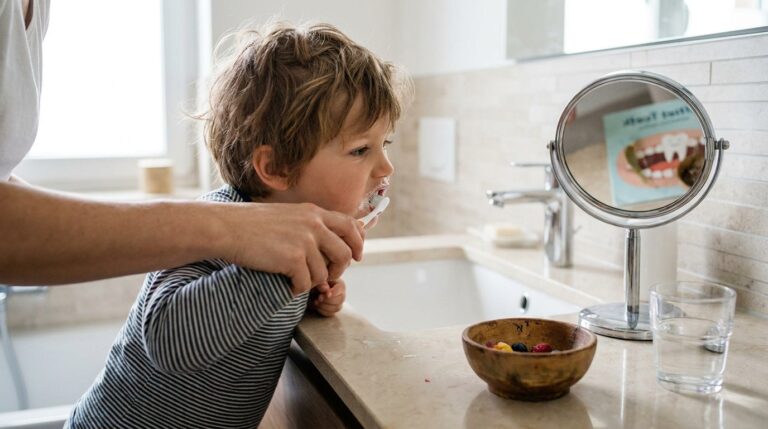
- Brush twice daily using a rice-grain-sized smear of fluoride toothpaste for children under three, and a pea-sized amount for ages three to six.
- Use a soft-bristled toothbrush sized for small mouths.
- Replace the toothbrush every three to four months, or sooner if the bristles fray.
- Schedule a dental checkup every six months, or as often as your child’s dentist recommends.
- Limit sugary drinks in sippy cups, and avoid putting a child to bed with a bottle of milk or juice to reduce cavity risk.
Frequently Asked Questions
What age should a child have their first dental cleaning?
The AAPD and ADA recommend the first dental visit when the first tooth appears, and no later than age one.
How long does a child’s first dental cleaning take?
Most first visits last 20 to 30 minutes, including the exam, cleaning, and fluoride application.
How often should children get dental cleanings?
Most children should have a dental cleaning and checkup every six months to support cavity prevention and monitor tooth eruption, though some may need more frequent visits based on their cavity risk.
Does insurance typically cover a child’s first dental cleaning?
Most dental insurance plans and Medicaid cover preventive visits, including exams and fluoride varnish, at little or no out-of-pocket cost. Coverage varies, so check with your plan before the visit. Many plans also reset in January, so if your dental benefits expire year end, booking your child’s first cleaning before December 31 helps you use coverage you’ve already paid for.
What should parents bring to the first dental visit?
Parents should bring insurance information, a list of any medications, and a comfort item for the child, such as a favorite toy.
A child’s first dental cleaning sets the foundation for lifelong oral health habits. By combining gentle care, parent education, and preventive treatments like fluoride varnish, pediatric dentists help toddlers build positive associations with dental visits from the very start.